







Top-rated arborists.

Get matched with top arborists in Cabinet, ID

Enter your zip and get matched with up to 5 pros

Need a pro for your arboricultural service project in Cabinet, ID?

Select your specific project to find the pro for you.

TRUSTED BY CABINET, ID HOMEOWNERS

  • Average homeowner rating star icon4.4
    Average homeowner rating
  • Verified reviews icon13
    Verified arboricultural services reviews

Find Arborists in Cabinet

Avatar for Tree Me Kindly
Tree Me Kindly
5.0(
7
)
Tree RemovalTree Removal - For BusinessTree Trimming+1 more

Serving Cabinet, ID and surrounding areas

Approved

In business since 2021

Free estimates

Small jobs welcome

"Tyler was so professional from the first call. He not only knows trees he cares about them. He trimmed 7 large 25 yr old cherry trees. And hauled the debris and left the yard and driveway spotless. Donâ t hesitate - hire Tyler! Thank you Tyler."
Response time2 days
Response rate92%
Recommended by100%of homeowners
Avatar for Elevated Saw Works
Elevated Saw Works
5.0(
8
)
Tree RemovalTree Removal - For BusinessTree Stump - Remove+1 more

Serving Cabinet, ID and surrounding areas

In business since 2020

Free estimates

"Exactly what I was looking for. There was a tree leaning towards my house and he fell it precisely where he wanted it without taking out other trees. Couldnâ t be happier with the service"
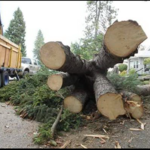
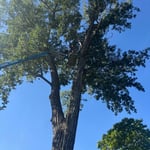
Tree Removal
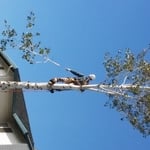
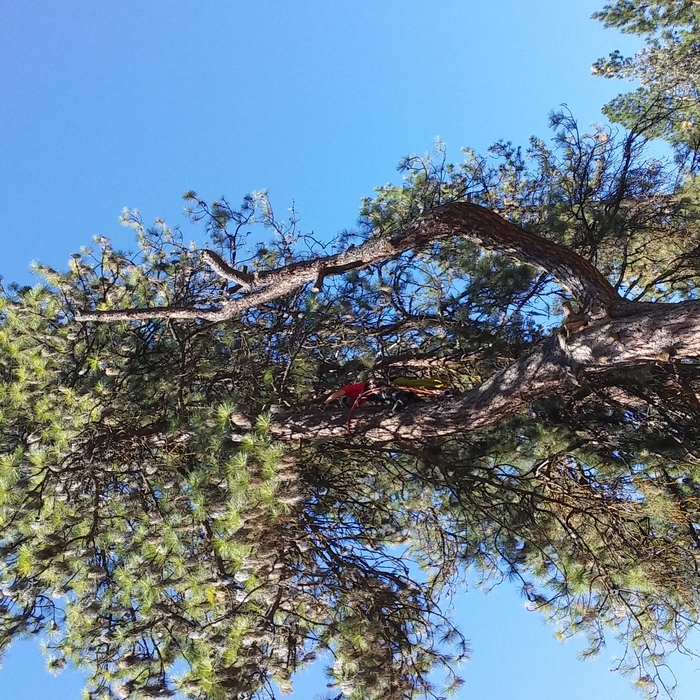
Topping the tree
Topping the tree
Response time1 day
Recommended by100%of homeowners
Showing 1-10 of 50
Arborists questions, answered by experts

Aside from removing dead or diseased branches, you should prune your trees somewhere between every one and three years. Some people—particularly commercial farmers—prune their apple trees yearly to produce higher yields. This is the best way to promote tree health. That said, the average homeowner can get away with hard-pruning their mature apple tree every other year or every three years. 

Some people prefer to leave or even carve a leftover stump, but we recommend removing it if possible. You can often dig out smaller trunks with a shovel once they have died and dried out. You can have stumps professionally removed, or request a service to grind them down to ground level so they can be replaced with other landscaping or objects.

Tree roots are hearty and complex systems, so they don’t die immediately after the rest of the tree is removed. If you leave the root system in place, it takes anywhere from two to seven years for it to run out of nutrients. It is worth noting, however, that the roots stop growing and expanding after cutting down the rest of the tree.

Most experts recommend removing a tree that has sustained more than 25% loss in the limbs, trunk, or circumference of the bark. Doing an initial trimming of damaged and dangling branches, but then waiting a few days of monitoring to decide how much more you might need to cut can help you better assess the total damage to the tree. However, consulting a tree maintenance pro to make this determination the best course of action before removing a tree.

If you aren’t sure what you’re doing, be very careful when cutting mature tree roots (roots larger than 2 inches). Root cutting and pruning can affect both a tree’s stability and its ability to nourish itself. Issues during root cutting can result in damage or injury. 

It’s recommended you call in a pro to help, unless it’s a very small tree and you aren’t worried about the prospect of losing the tree.

The Cabinet, ID homeowners’ guide to arboricultural services

From average costs to expert advice, get all the answers you need to get your job done.