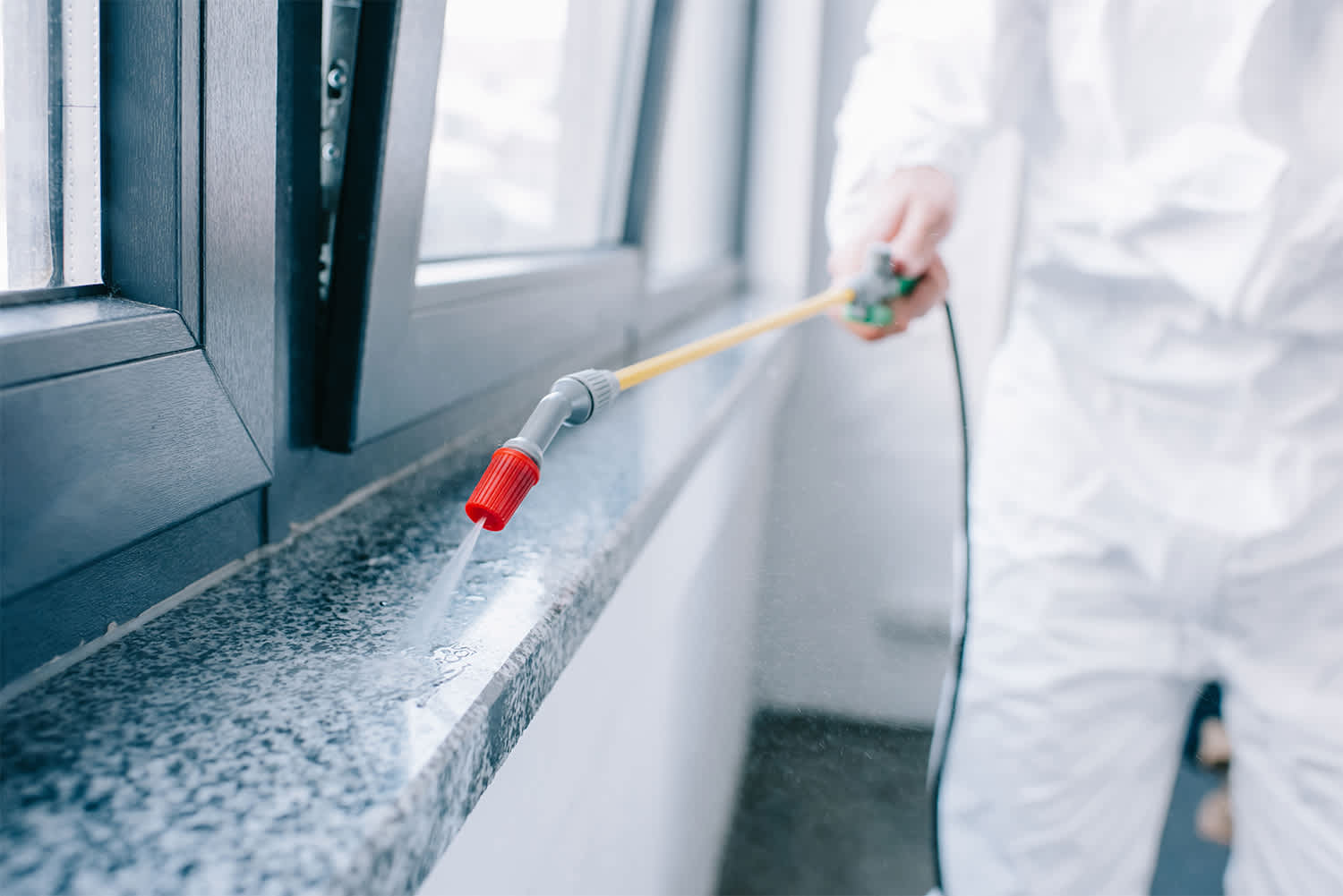
When pests show up, so do we.\n\nFor nearly a century, Terminix® has been one of America's most trusted names in pest control. Every day, our exterminators serve thousands of homes and businesses nationwide, combining national service with local knowledge to provide best-in-class, proactive pest management solutions. We stop problems before they start and respond quickly if issues arise, keeping your property protected.\n\nAnd for extra peace of mind, if pests come back, so do we — guaranteed.\n\nThe Terminix It Guarantee means that if pests come back, so do we, to re-treat at no additional cost. No excuses, just a commitment to care for your home like it's our own with protection you can trust.
We take great pride in the experience, expertise, quality, and customer service that we provide to meet the consumer's needs. It is our mission to provide excellent workmanship and complete customer satisfaction from start to completion of a project. To understand the needs and expectations of our customers, we take great care to work and professionally communicate with every customer. Our reputation is based on service, safety, and quality, regardless of how large or small the job is.
Welcome to the best protection against pests in the industry. As the largest locally owned and operated pest control company in Idaho, you've made the right choice to protect your home and family with Gemtek. Thousands of customers agree and you will too, guaranteed. With experienced pest professionals, we are here to give you the peace of mind you deserve. Enjoy relaxing in your home again, inside and out, without worrying about pests. No more ants in the kitchen, no more spiders in the garage, and no more wasps in your eaves. Stop storing and handling dangerous pesticides yourself, and let the professionals treat your home with products friendly for your home, environment, and most importantly, your family.
Born and raised in Idaho, we are a local team working to inspire confidence and give control with cutting-edge environmental treatment solutions that are delivered with the highest level of customer care.
"I have a contract with them so I have to use them again. It pays for itself eventually if you get good repair people. You don't control who they send."
Seeing a termite swarm near your home is a strong indication that a colony is nearby, but it doesn’t always mean your home is infested. Swarmers may emerge from outdoor colonies or neighboring structures. However, if the swarm is inside your home or you notice discarded wings near windowsills, it likely means termites are nesting within your walls or foundation. A professional inspection is the best way to confirm and address a potential infestation ASAP.
Moles live underground and feed on insects. They dig and move through tunnels, usually in meadows or forests but sometimes in lawns and gardens. They are about 6 inches long with large claws, tiny eyes, and hidden ears.
Shrews do not dig their own tunnels but will use other animals’ tunnels, and are about 3 to 4 inches long. They look similar to mice and feed on insects.
Voles are similar in size to moles but have large eyes and small but visible ears. Rather than eating insects, voles are herbivores that prefer seeds, grasses, and plant roots.
Yes, it is generally safe to return to your house once the pest control professionals have granted permission. Keep in mind that you’ll only need to evacuate your home during extreme pest control treatments, such as whole-home fumigation, while more minor treatments don’t require leaving. When you return home, be sure to follow the pest pro’s instructions carefully, especially those surrounding wait times and safety precautions.
Absolutely! Keeping up to date with regular flea treatments for pets, washing their bedding, and vacuuming regularly are all simple and inexpensive ways to help prevent a flea infestation from developing in the first place.
Annual flea control treatments for your pet typically cost between $40 and $200. Talk to your vet about safe and effective options.
Keeping up with garden maintenance also helps make your yard less inviting for fleas. Mow your lawn regularly, don’t overwater, and avoid attracting rodents by carefully storing food waste, removing clutter, and sealing holes.
Honey bees are most likely to swarm during spring and early summer, typically from April through June, as colonies expand and prepare for new growth. Swarming occurs when a hive becomes overcrowded, prompting the queen and a group of worker bees to leave in search of a new nesting site. During this time, you may notice a temporary increase in bee activity around your property.
The Heyburn, ID homeowners’ guide to pest control services
From average costs to expert advice, get all the answers you need to get your job done.