




Top-rated arborists.

Get matched with top arborists in Franklin, ID

Enter your zip and get matched with up to 5 pros

Need a pro for your arboricultural service project in Franklin, ID?

Select your specific project to find the pro for you.

TRUSTED BY FRANKLIN, ID HOMEOWNERS

  • Average homeowner rating star icon4.8
    Average homeowner rating
  • Verified reviews icon62
    Verified arboricultural services reviews

Find Arborists in Franklin

Avatar for Ironforged Excavation
Ironforged Excavation
5.0(
2
)

Serving Franklin, ID and surrounding areas

In business since 2024

Free estimates

Small jobs welcome

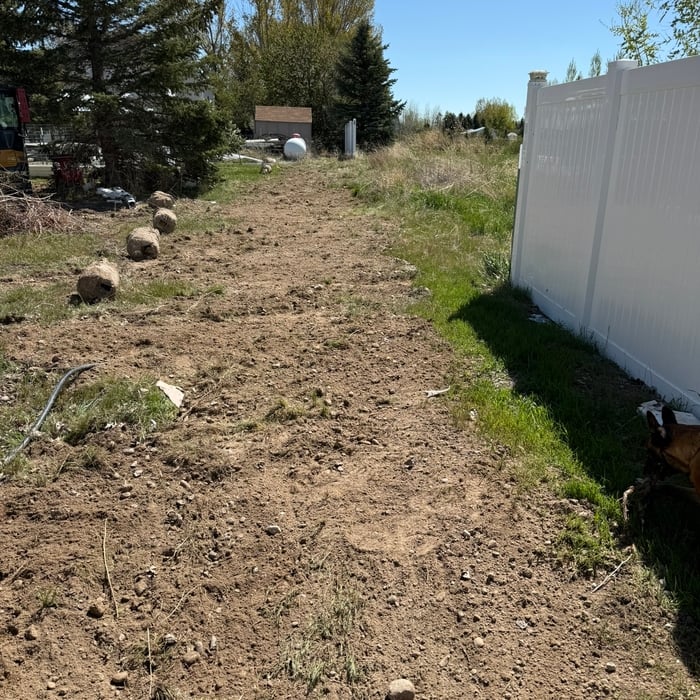
"Ironforged Excavation recently completed work on my property and I couldn't be more impressed. They not only delivered on their initial quote with exceptional quality but also went above and beyond by tackling several smaller projects I'd been putting off, including filling in an old trampoline hole. My garden beds look fantastic, and the brush and tree clearing they did has truly transformed the landscape! Will definitely be hiring for future projects! Fair pricing for the work the completed! Will definitely be hiring for future projects :)"
Foundation
Concrete pad prep
Concrete pad prep
Concrete pad prep
Fence post Removal

+7

Response time7 hrs
Response rate86%
Showing 1-10 of 20
Arborists questions, answered by experts

There are a few differences between tree guying and tree staking. Tree guying requires anchor stakes that are shorter and stronger than regular stakes and are driven deeper into the ground at an angle away from the tree. Tree staking uses longer stakes that are set parallel to the tree and are used for smaller trees. Consult a local tree professional to determine which method is best for your tree.

Dutch elm disease can’t harm humans. In fact, according to Cal Fire, bark beetles aren’t even typically dangerous to trees unless that tree is already weakened. The problem comes when Dutch elm disease kills a tree. That tree is more at risk of falling and catching fire, which can pose a serious threat.

You may wonder whether tree removal is tax deductible: Tree removal is not tax-deductible for homeowners unless it's related to a federally declared disaster. In that case, the cost may qualify as a casualty loss. However, if you own a commercial property, like a rental home, tree removal could be deductible if it's necessary for safety, maintenance, or part of a larger capital improvement project, and you must hire a professional tree removal service and keep documentation. Always consult a tax professional beforehand to see if you qualify.

A tree can split because of high winds, a change in temperature, or from an infestation or tree disease. All of these factors can overlap, making a single cause difficult to pinpoint. While winter storms are some of the most common causes for a tree to split, it can also happen because of termites or rot.

The best time to transplant a tree is when it is dormant. For many trees, this means either in the fall after the leaves have dropped (around October or November) or in early spring before new growth begins (around March). The ideal timing can depend on the type of tree. Deciduous trees do well when moved in early spring or fall, while evergreens are best transplanted in early spring or late summer. For example, pine trees are best moved in early fall, but maples prefer late fall. Avoid transplanting in winter, as the frozen or hard, cold soil poses a significant risk to the roots and prevents the tree from acclimating properly.

The Franklin, ID homeowners’ guide to arboricultural services

From average costs to expert advice, get all the answers you need to get your job done.