





Top-rated arborists.

Get matched with top arborists in Weston, ID

Enter your zip and get matched with up to 5 pros

Need a pro for your arboricultural service project in Weston, ID?

Select your specific project to find the pro for you.

Find Arborists in Weston

Avatar for Ironforged Excavation
Ironforged Excavation
5.0(
2
)

Serving Weston, ID and surrounding areas

In business since 2024

Free estimates

Small jobs welcome

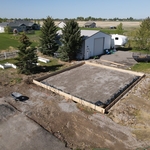
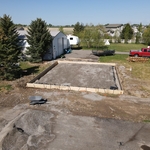
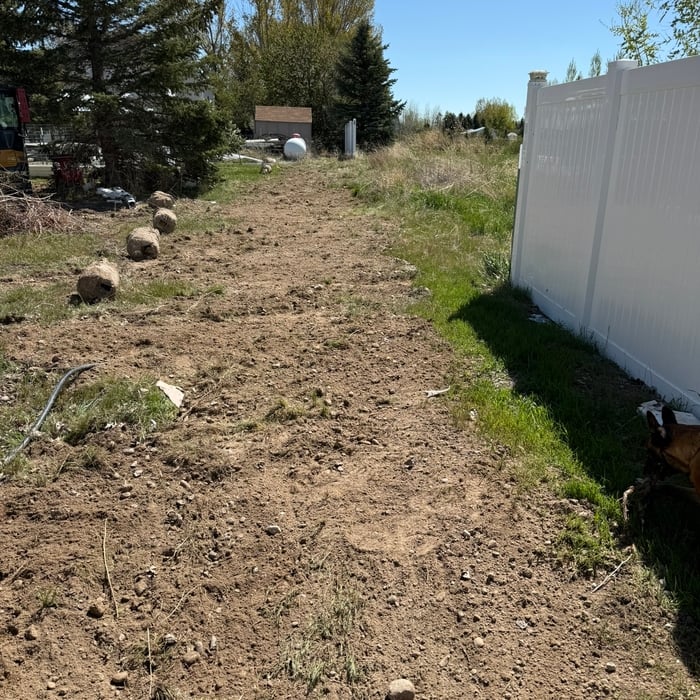
"Ironforged Excavation recently completed work on my property and I couldn't be more impressed. They not only delivered on their initial quote with exceptional quality but also went above and beyond by tackling several smaller projects I'd been putting off, including filling in an old trampoline hole. My garden beds look fantastic, and the brush and tree clearing they did has truly transformed the landscape! Will definitely be hiring for future projects! Fair pricing for the work the completed! Will definitely be hiring for future projects :)"
Foundation
Concrete pad prep
Concrete pad prep
Concrete pad prep
Fence post Removal

+7

Response time7 hrs
Response rate86%
Showing 1-10 of 21
Arborists questions, answered by experts

Usually, trees cannot grow back after their stump has been ground, but some very hearty types of trees can. For example, if you have a black locust or Redford pear, the grinding will need to go deep to prevent them from growing back. Ask your tree service or stump removal expert whether your tree can resprout after its stump is ground down.

You need to remove all branches affected by Dutch elm disease. If your tree has several affected branches, you will probably need to remove the entire tree. First, consult a pro to be sure that you’ve correctly identified it as an elm tree. Make sure the tree is properly disposed of with a plastic covering or through debarking, chipping, or burning.

Trees aren't big fans of moving, and they do go into shock during a transplant. Although most carefully thought-out tree transplants see the tree recover from the shock just fine, there is always a risk of having an unsuccessful move. Proper preparation, timing, and diligent aftercare are crucial to minimize the risks when transplanting a tree.

Generally, you’ll want to prune back the trunk by 1 to 2 feet each year to promote bushy growth. Doing so concentrates vegetative buds closer to the bottom of the tree, where you can easily harvest fruit. For side shoots that are a year old, leave at least six leaves. 

Never remove more than 30% of a tree’s foliage during pruning—even if your tree is really overgrown. Removing this much foliage at a time could kill your tree.

Yes, you should trim the lower branches of your maple tree for safety. Trimming maple trees as they grow helps lift the crown and canopy and trains it to grow straight up. A good rule of thumb is to prune enough branches to leave 6 feet of clearance under the tree.

The Weston, ID homeowners’ guide to arboricultural services

From average costs to expert advice, get all the answers you need to get your job done.