


Top-rated arborists.

Get matched with top arborists in Elwood, UT

Enter your zip and get matched with up to 5 pros

Need a pro for your arboricultural service project in Elwood, UT?

Select your specific project to find the pro for you.

TRUSTED BY ELWOOD, UT HOMEOWNERS

  • Average homeowner rating star icon4.9
    Average homeowner rating
  • Verified reviews icon41
    Verified arboricultural services reviews

Find Arborists in Elwood

Avatar for TS Tree Service
TS Tree Service
4.6(
11
)
Tree RemovalTree Removal - For BusinessTree Stump - Remove+5 more

Serving Elwood, UT and surrounding areas

In business since 2012

Free estimates

Emergency services offered

"They did a great job cutting the tree and made it look really nice. I'm not sure if he was just really busy or what but he struggled with getting to the job when he said he would... time management. For someone who is prompt, it was frustrating. But everything eventually got done and it looks great!"
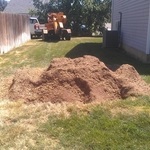
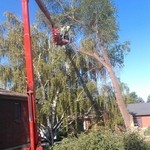
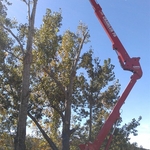
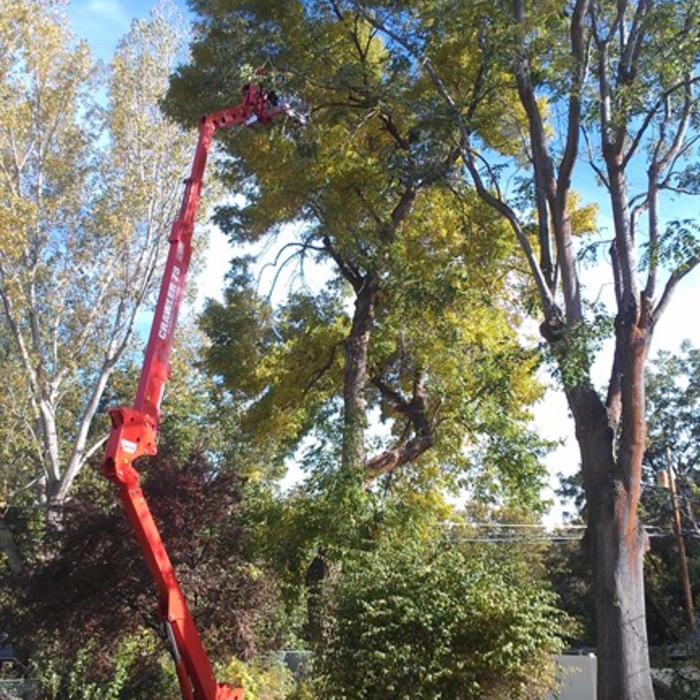
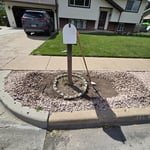
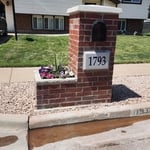
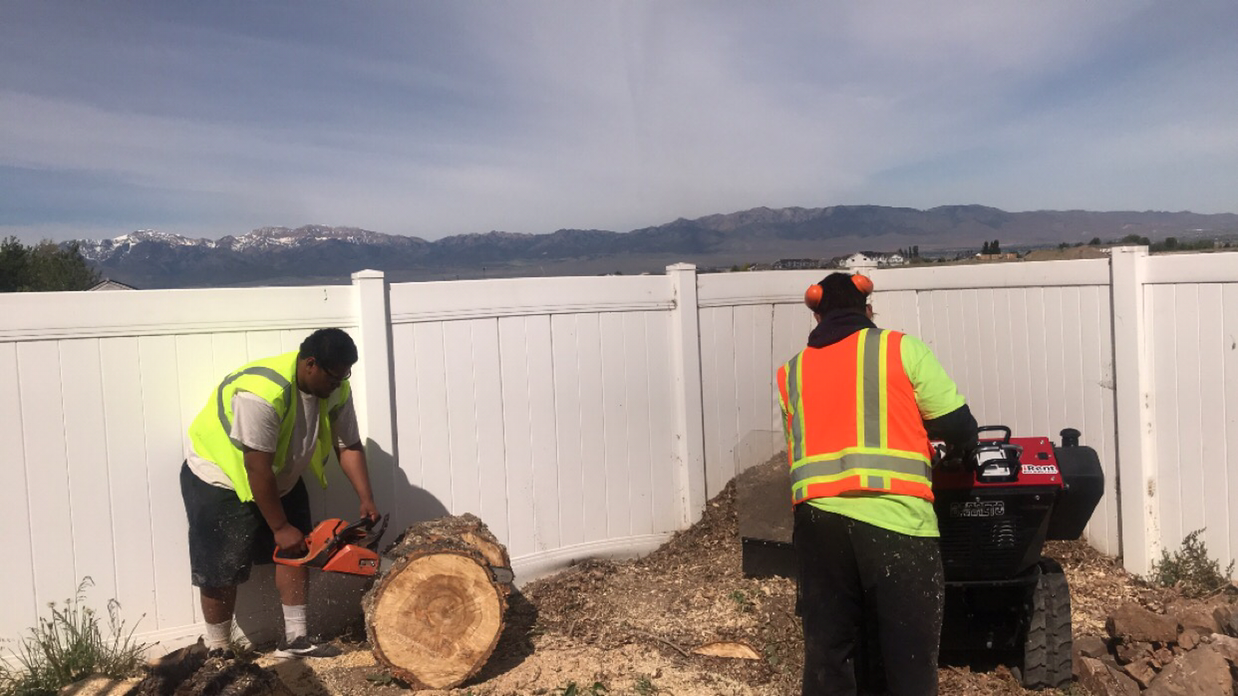
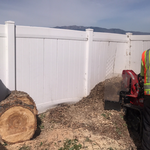
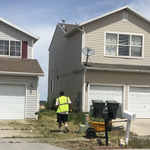
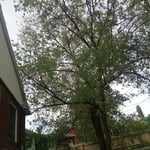
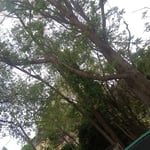
Additional Photos
Additional Photos
Additional Photos
Additional Photos
Additional Photos

+31

Recommended by81%of homeowners
Showing 1-10 of 36
Arborists questions, answered by experts

Yes, it’s okay to trim low branches on a tree, also known as limbing up or raising the crown. Essentially, you’ll trim the lower third of the tree (trunk) and leave the upper two-thirds of the tree (crown). Arborists recommend trimming 20% of a tree’s leaves per season for two to three seasons. Trimming low branches allows light to flow through the tree, increasing circulation and making the tree stronger and healthier.

Trees aren't big fans of moving, and they do go into shock during a transplant. Although most carefully thought-out tree transplants see the tree recover from the shock just fine, there is always a risk of having an unsuccessful move. Proper preparation, timing, and diligent aftercare are crucial to minimize the risks when transplanting a tree.

If executed correctly your tree should survive after being transplanted to a new spot. However, effective transplanting requires six months, careful root pruning, safe transport to the new location, and replanting in prime soil conditions. You’ll also need an appropriately sized root ball for a complete tree transplant. A good rule of thumb is that, for every inch in diameter, your tree’s root ball needs to be around 11 inches. So a tree with a diameter of six inches needs a root ball of approximately 66 inches.

Coverage varies quite a bit by policy, but most homeowners' insurance policies will cover $500 to $1,000 of the cost of removing a tree. Additionally, if your tree causes damage to your property, like your house, many policies will cover some or all of the costs to repair the damage, depending on why the tree fell.

Leaving the tree stump and letting it rot is never a good idea, as this leads to insect infestations and other frustrations. Additionally, decomposing trunks are at risk for diseases that spread out to the remaining plants and trees in the yard, thus ruining your whole outdoor aesthetic. It's usually best to remove the stump at the same time you remove the tree.

The Elwood, UT homeowners’ guide to arboricultural services

From average costs to expert advice, get all the answers you need to get your job done.