



Top-rated arborists.

Get matched with top arborists in Dayton, ID

Enter your zip and get matched with up to 5 pros

Need a pro for your arboricultural service project in Dayton, ID?

Select your specific project to find the pro for you.

TRUSTED BY DAYTON, ID HOMEOWNERS

  • Average homeowner rating star icon4.8
    Average homeowner rating
  • Verified reviews icon28
    Verified arboricultural services reviews

Find Arborists in Dayton

Avatar for Ironforged Excavation
Ironforged Excavation
5.0(
2
)

Serving Dayton, ID and surrounding areas

In business since 2024

Free estimates

Small jobs welcome

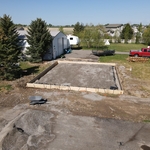
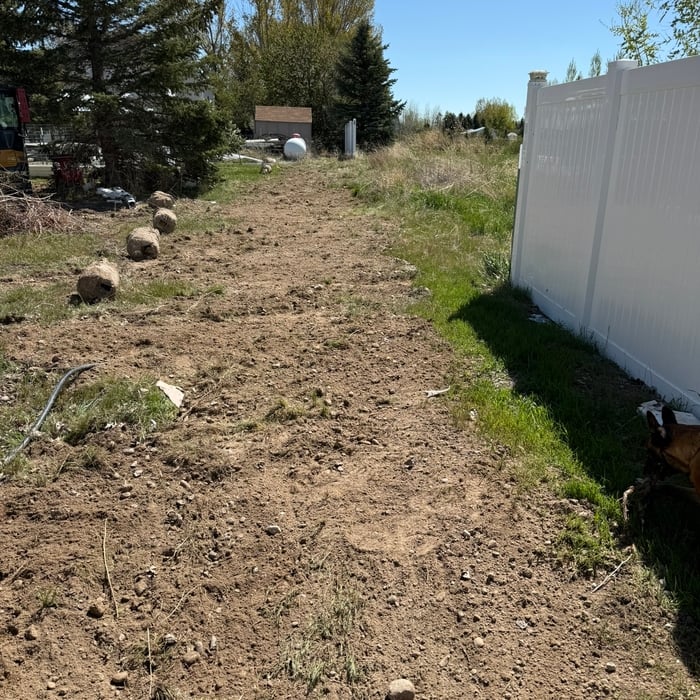
"Ironforged Excavation recently completed work on my property and I couldn't be more impressed. They not only delivered on their initial quote with exceptional quality but also went above and beyond by tackling several smaller projects I'd been putting off, including filling in an old trampoline hole. My garden beds look fantastic, and the brush and tree clearing they did has truly transformed the landscape! Will definitely be hiring for future projects! Fair pricing for the work the completed! Will definitely be hiring for future projects :)"
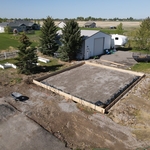
Foundation
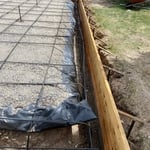
Concrete pad prep
Concrete pad prep
Concrete pad prep
Fence post Removal

+7

Response time7 hrs
Response rate86%
Avatar for Haas Tree Care LLC
Haas Tree Care LLC
New to Angi

Serving Dayton, ID and surrounding areas

In business since 2023

Free estimates

Small jobs welcome

Hi there! I'm Justin Haas. I'm an aspiring arborist and I've been a proud cash valley resident. My entire life. With 2.5 years hands-on experience in the arboriculture industry, I've developed a deep passion for caring for trees and the environment. My goal is simple: to bring professional and affordable tree care services to our area. I understand the value of our local landscape and I'm committed to preserving its beauty by providing top notch tree, trimming, pruning, removals, and comprehensive care. We look forward to earning your business!\n

Tree Care
Tree Pruning
Tree Removal
Tree Removal
Owner and Operator

+1

Response time3 hrs
Showing 1-10 of 20
Arborists questions, answered by experts

There are several methods to hollow out a tree stump, and the best one depends on your tools, experience, and priorities. Common methods include using a chisel and hammer, a chainsaw, or burning.

  • Chisel and Hammer: This is often considered the easiest approach for those with limited tools or experience, though it is the most time-consuming.

  • Chainsaw: Using a chainsaw is the fastest method, but it comes with significant safety risks, especially for inexperienced users.

  • Burning: This can be an effective method, but it is not recommended unless you can first drill holes into the stump. Without holes, the stump will be difficult to light and may not burn completely through.

A power drill with at least a ⅜-inch diameter bit can make the job quicker and easier, regardless of the primary method. While you can use a chisel or chainsaw without a drill, it will require more time and effort. Always wear protective goggles and thick gloves, as splinters are an inevitable risk.

You may be looking to identify maple trees to use for home improvement projects. In that case, you can tell hard maples by looking at their leaves. Leaves will have a U-shaped dip, or sinus, between the points, or lobes, of the leaves. Leaves of soft maples tend to have V-shaped sinuses.

If you already have the cut wood in front of you, look for a light, uniform color to identify hard maple wood and check for variations of red, gray, or brown streaks and an overall darker color in soft maple wood.

Unless it’s dead or dangerous, think twice about cutting down a tree in your yard. They’re good for health, well-being, wildlife, and the environment. Plus, local authorities often have regulations prohibiting the removal of trees, especially protected species or individual trees with historical value.

In general, trees should be planted no closer than 15 to 20 feet from your foundation. For larger trees with far-reaching roots like maples, oaks, or poplars, a good guide is to plant as many feet from your home as the tree’s height is expected to reach at maturity. Some trees, like elms and willows, should only be planted far from where their roots may encounter sewer or water lines.

Most plum trees are pruned into a vase or open wine glass shape. They’ll have a shorter central leader (the trunk) that supports three to four main branches. Of course, this isn't always the case. If you have a European plum tree, you can grow it in a pyramid shape. Let the central leader extend the length of the tree and prune smaller branches to create the pyramid.

The Dayton, ID homeowners’ guide to arboricultural services

From average costs to expert advice, get all the answers you need to get your job done.