


Top-rated generator install pros.

Get matched with top generator install pros in Emmett, ID

Enter your zip and get matched with up to 5 pros

Need a pro for your generator install project in Emmett, ID?

Select your specific project to find the pro for you.

Find Generator install pros in Emmett

Sanderson Electric
4.8(
30
)
Fixed Generator - InstallPortable Generator - Install

Serving Emmett, ID and surrounding areas

Approved

In business since 2013

Free estimates

Credit card accepted

"1776 Electrical did an excellent job. The bid was reasonable and they gave me options for materials and lights. They keep updated in their field and suggested upgrades to our lights that will save us money and time. They completed the job quickly and worked cleanly. We enjoyed having them in the house. I will hire them again."
3 neighbors recently requested a quote
Recommended by89%of homeowners

Avatar for Fast Unparalleled Service Electric, LLC
Fast Unparalleled Service Electric, LLC
5.0(
6
)
Fixed Generator - InstallPortable Generator - InstallFixed Generator - Repair

Serving Emmett, ID and surrounding areas

Approved

Free estimates

Emergency services offered

Warranties offered

"Highly recommend FUSE Electric! Nate showed up on time, was easy to communicate with, and did a great job. Everything was done professionally and the pricing was very fair. FUSE Electric may be a newer company, but Nate has been doing electrical work for decades and it definitely shows. It was a great experience all around and we’ll definitely call him again for any future electrical work."
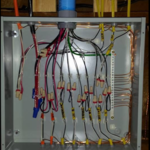
Junction Box
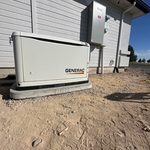
Generac Generator
3 neighbors recently requested a quote
Avatar for Fulmer, Inc.
Fulmer, Inc.
5.0(
1
)
Fixed Generator - InstallGenerator - Install - For BusinessPortable Generator - Install

Serving Emmett, ID and surrounding areas

Approved

In business since 2011

Free estimates

Credit card accepted

Fulmer Electric is committed to excellence in every aspect of our business. We uphold a standard of integrity bound by fairness, honesty, and personal responsibility. Our distinction is the quality of service we bring to our customers. Accurate knowledge of our trade combined with ability is what makes us true professionals. Above all, we are watchful of our customers' interests, and make their concerns the basis of our business.\n

1 neighbors recently requested a quote
Showing 1-10 of 26
Generator Install questions, answered by experts

It is safe to run a generator continuously, but you must follow safety protocols to ensure personal and home safety. Read the manufacturer’s instructions for specific recommendations, but the general recommendation is to turn generators off overnight or when you’re away from the house. Overworked generators can pose a fire hazard and if your generator is not in a well-ventilated area, running it continuously could lead to carbon monoxide poisoning.

Homeowners can often access federal tax credits, such as the Investment Tax Credit (ITC), which covers a percentage of installation costs. Many states and utilities offer additional rebates, grants, or performance-based incentives. These programs can significantly lower your upfront investment. Check the Database of State Incentives for Renewables and Efficiency (DSIRE) or contact your local energy office for current offers.

A portable generator can supply power to selected appliances and circuits in a home, but it's generally not designed to handle the entire household's electrical needs simultaneously. Portable generators have limited wattage capacity, so they are only designed to power essential devices and electronics temporarily until local power is restored. If your power needs outweigh the capabilities of a portable generator, consider installing a whole-home generator instead.

As a safety measure, you should always turn off the main breaker while operating your generator’s backup breaker. In addition, you should also switch off all appliance breakers so you don't have a power surge when the main breaker turns back on. And finally, turning off the main breaker prevents back-feeding, which endangers utility workers with the risk of electrocution. Back-feeding could also destroy the electrical circuits of your neighbors if they use the same power network.

To determine the right size generator for your house, you should calculate the total wattage of the appliances and devices you want to power during an outage. List all essential items, note their start-up wattages, and add them together.

Here are some typical wattage requirements for common appliances:

  • Refrigerator: 600 watts

  • Large dehumidifier: 700 watts

  • Large window air conditioner: 1,400 watts

  • Water heater: 3,000 to 4,500 watts

  • Electric furnace: 5,000 to 25,000 watts

A 7,500-watt generator might be sufficient for essentials like a refrigerator, freezer, well pump, and lighting circuits. However, for high-demand items like a water heater or furnace, a whole-home generator is a better choice. A portable generator may be enough if you only need to power a few critical items.

While home square footage can offer a rough estimate, it is not always a reliable indicator. For reference, here are some typical generator sizes based on square footage:

  • 1,000 sq ft: 6–9 kW

  • 1,500 sq ft: 7–10 kW

  • 2,000 sq ft: 10–14 kW

  • 2,500 sq ft: 12–16 kW

  • 3,000 sq ft: 16–20 kW+

For the most accurate sizing, consult a professional who can calculate your home's peak and average power consumption and recommend the optimal generator.

The Emmett, ID homeowners’ guide to generator installs

From average costs to expert advice, get all the answers you need to get your job done.