





Top-rated generator install pros.

Get matched with top generator install pros in Wilder, ID

Enter your zip and get matched with up to 5 pros

Need a pro for your generator install project in Wilder, ID?

Select your specific project to find the pro for you.

Find Generator install pros in Wilder

Z & C Electrical
4.8(
16
)
Fixed Generator - InstallFixed Generator - RepairGenerator - Install+4 more

Serving Wilder, ID and surrounding areas

In business since 2020

Emergency services offered

"They were super nice and great to work with. They came out for a different issue and I asked when we could schedule the installation of a new circuit in the garage. They said they had time right then and installed it while they were here. Flexible and dependable. I would and will hire again."
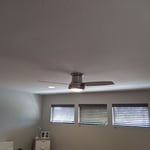
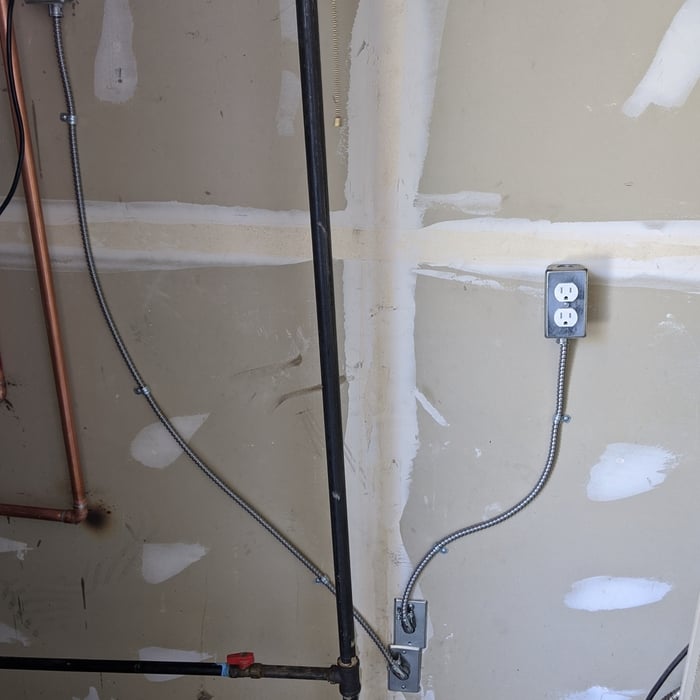
New fan & light
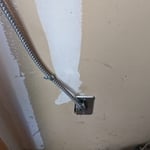
Beginning of extension of receptacle
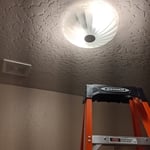
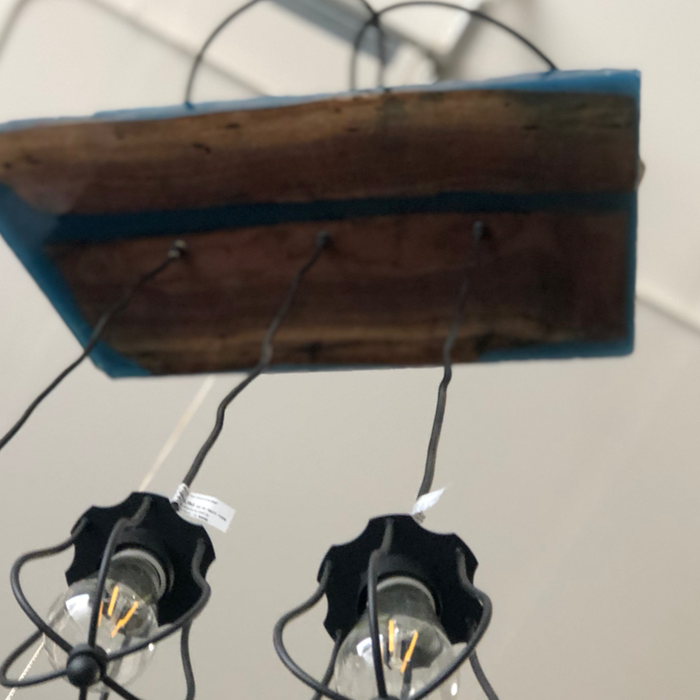
Ceiling fixture
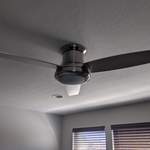
Close up of new fan
New receptacles extended from old location

+18

Recommended by93%of homeowners
Avatar for 3 Phase Electric, LLC
3 Phase Electric, LLC
5.0(
10
)
Fixed Generator - InstallPortable Generator - Install

Serving Wilder, ID and surrounding areas

In business since 2024

Free estimates

Emergency services offered

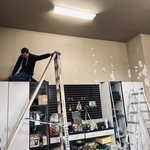
"Sean added two circuits in our garage, one for our garage refrigerator and freezer and one for our AprilAire humidifier. His work was consumately professional and very timely. I recommend 3 Phase Electric without reservation and will use Sean again."
Response time10 hrs
Showing 1-10 of 28
Generator Install questions, answered by experts

If you’re wondering if you can use your electric vehicle as a backup battery, it depends on whether your EV is compatible with bidirectional charging. This technology allows energy to flow both ways, enabling vehicle-to-home (V2H) backup power, vehicle-to-load (V2L) for appliances and camping, and vehicle-to-grid (V2G) to support the power grid. Compatible EVs convert stored DC energy into usable AC power, helping reduce energy costs and enhance grid stability while providing emergency backup power.

Generators run on a variety of fuel types, ranging from natural gas to solar power. Keep in mind that fuel costs varying by type:

  • Natural gas: $2,000–$21,000 per year 

  • Liquid propane: $2,000–$21,000 per year

  • Diesel: $3,000–$20,000 per year

  • Gasoline: $500–$3,000 per year

  • Solar generator: $2,000–$25,000 per unit

  • Battery backup: $10,000–$25,000 per unit

To determine the right size generator for your house, you should calculate the total wattage of the appliances and devices you want to power during an outage. List all essential items, note their start-up wattages, and add them together.

Here are some typical wattage requirements for common appliances:

  • Refrigerator: 600 watts

  • Large dehumidifier: 700 watts

  • Large window air conditioner: 1,400 watts

  • Water heater: 3,000 to 4,500 watts

  • Electric furnace: 5,000 to 25,000 watts

A 7,500-watt generator might be sufficient for essentials like a refrigerator, freezer, well pump, and lighting circuits. However, for high-demand items like a water heater or furnace, a whole-home generator is a better choice. A portable generator may be enough if you only need to power a few critical items.

While home square footage can offer a rough estimate, it is not always a reliable indicator. For reference, here are some typical generator sizes based on square footage:

  • 1,000 sq ft: 6–9 kW

  • 1,500 sq ft: 7–10 kW

  • 2,000 sq ft: 10–14 kW

  • 2,500 sq ft: 12–16 kW

  • 3,000 sq ft: 16–20 kW+

For the most accurate sizing, consult a professional who can calculate your home's peak and average power consumption and recommend the optimal generator.

With proper maintenance, a whole-house generator can last between 20 and 40 years. The specific lifespan depends on how often and for how long the generator is used, and some models may have their life expectancy rated in hours of operation. To maximize its lifespan, expect to spend around $150 to $300 per year for annual maintenance checks from a qualified technician. During these checks, a technician will inspect the engine filter, starting mechanism, fuel, lubrication, and coolant levels. Consulting your installer and choosing a low-impact fuel like natural gas or diesel can also help ensure your generator lasts as long as possible.

Yes, in most municipalities, you will need a permit to install a permanent home generator, including emergency backup, partial-home, and whole-home models. Because these installations involve significant alterations to your home's electrical system and produce exhaust fumes, local governments often require a permit or inspection for safety purposes. A generator permit typically costs between $50 and $250, depending on your location. Your electrician or certified installer can usually handle the permitting process for you, but you will be responsible for the cost. It's a good practice to confirm with your installer that they will pull all necessary permits before work begins.

The Wilder, ID homeowners’ guide to generator installs

From average costs to expert advice, get all the answers you need to get your job done.