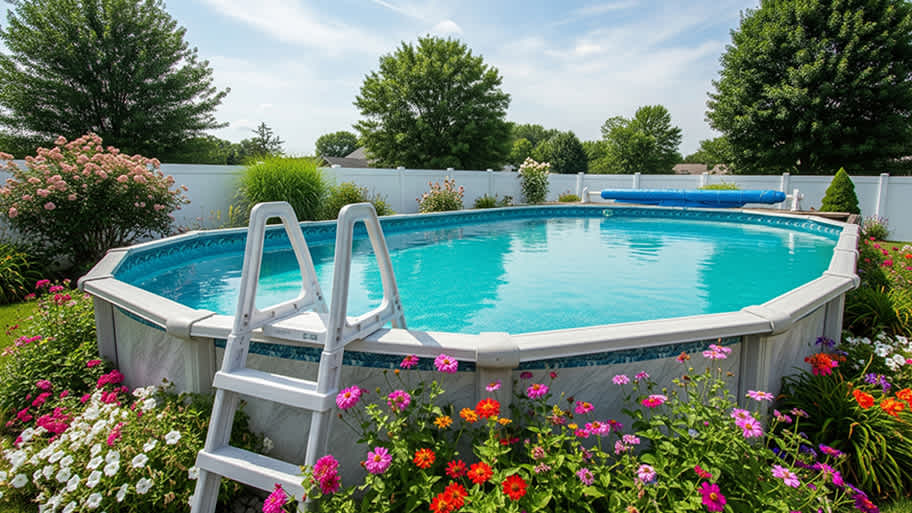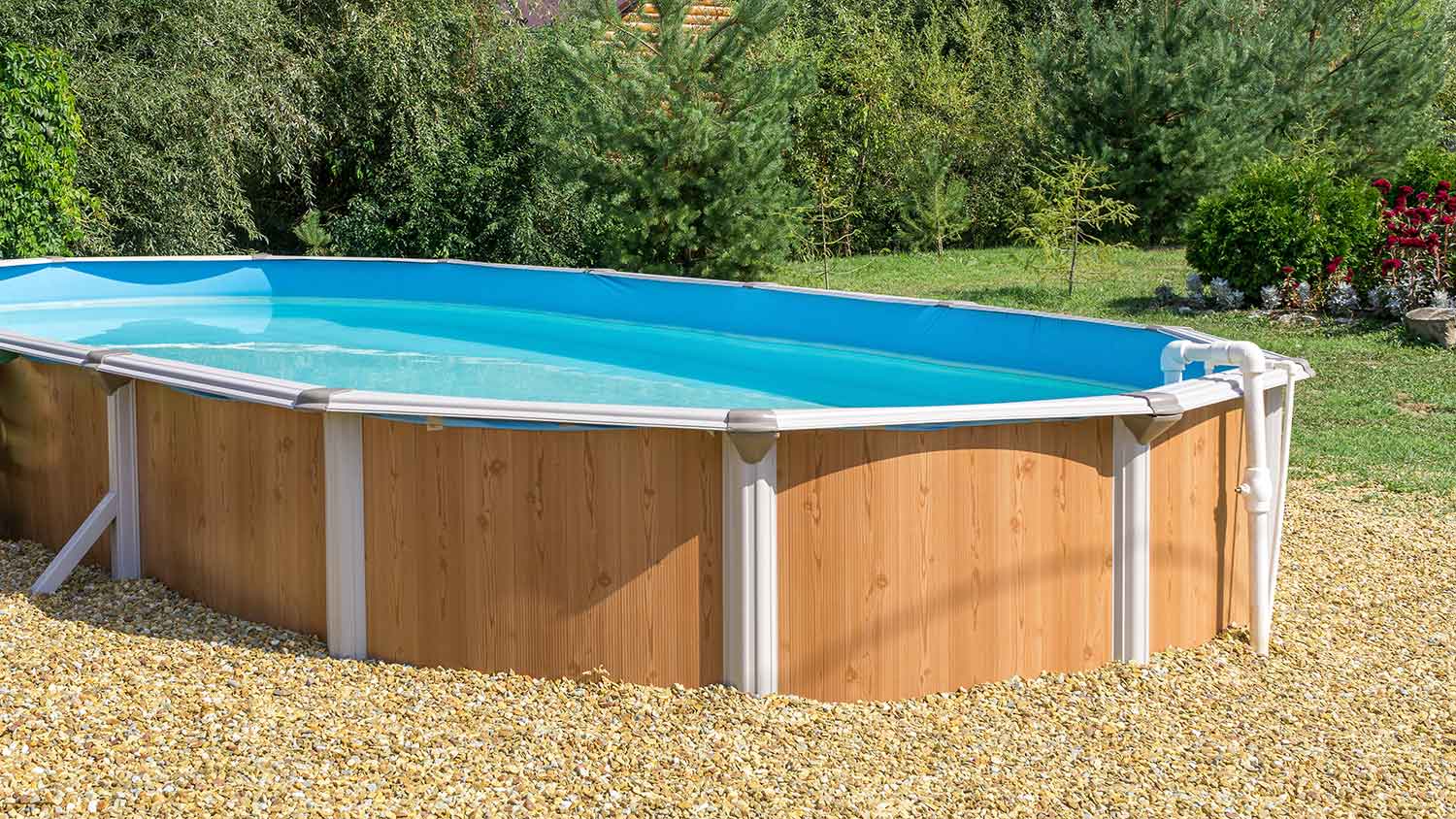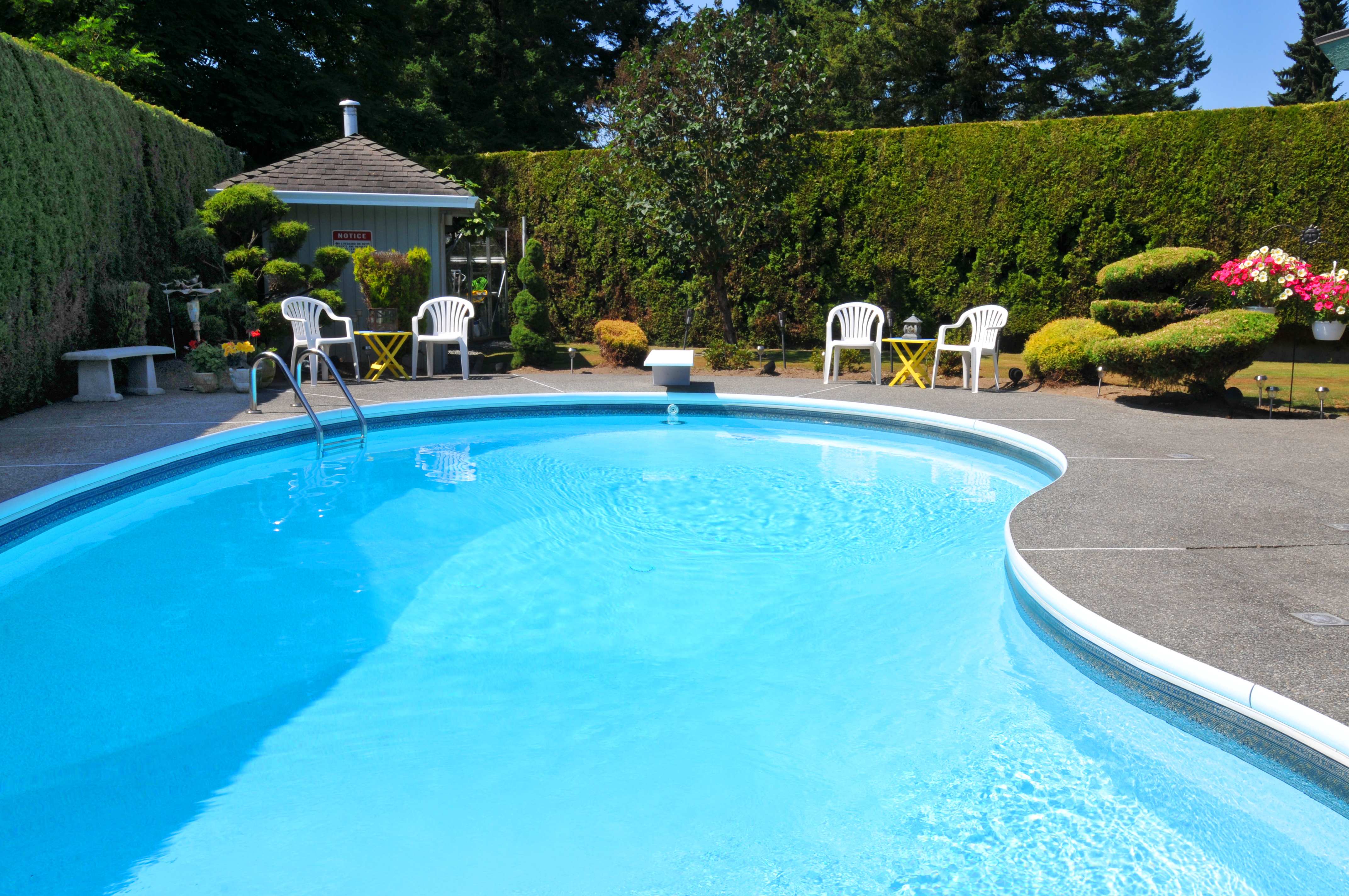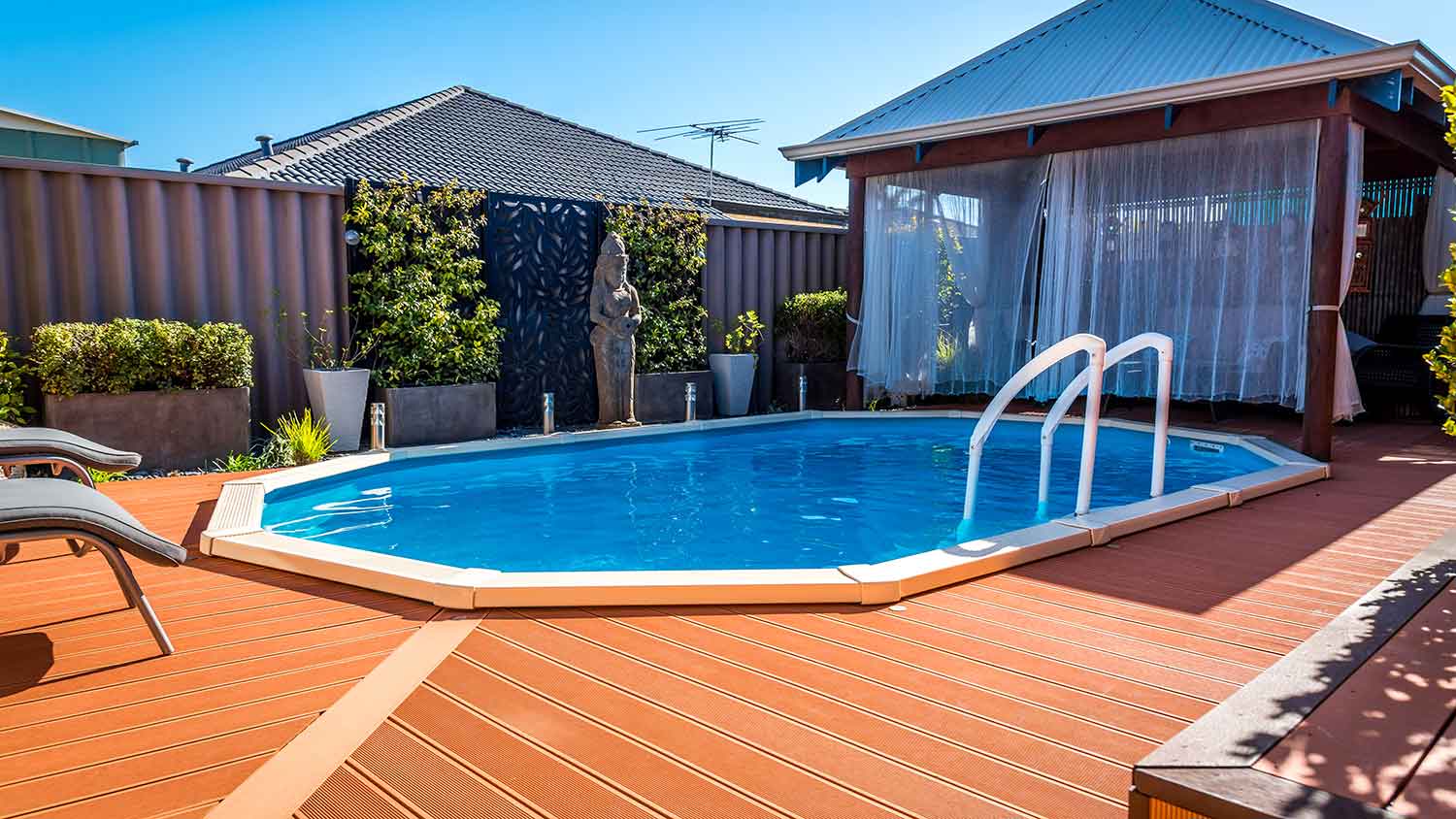




Top-rated above ground pool installation pros.

Get matched with top above ground pool installation pros in Downey, ID

Enter your zip and get matched with up to 5 pros

Need a pro for your above ground pool installation project in Downey, ID?

Select your specific project to find the pro for you.

Find Above ground pool installation pros in Downey

Avatar for Little John's Plumbing LLC
Little John's Plumbing LLC
5.0(
2
)
Above Ground Swimming Pool or Accessories - Repair or Service

Serving Downey, ID and surrounding areas

Emergency services offered

Credit card accepted

Plumbing service and repair,water heaters, water softeners, recipes, remodels.We guarantee your satisfaction and we won’t leave until the job is done right. We pride ourselves on the quality work we provide, while delivering great customer service! Check out our services offered and call or click to schedule a free estimate today.

Home addition
Home addition
Home addition
Home addition
Home addition

+18

Recommended by100%of homeowners
Install Above Ground Pools questions, answered by experts

Your pool should only lose around 1/4 of an inch of water per day, give or take. More wind, sunlight, and heat will cause this number to increase, while rainy or cloudy days will decrease the amount of water that evaporates.

You should always run your pool pump in freezing weather to keep the water moving. Doing so prevents the pool water from freezing and protects your pool from the damage that often comes along with frozen water. You should also run your pool pump when temperatures are approaching freezing, as a precaution. There’s no need to run a pool heater during the winter, as keeping water moving is generally enough to keep it from freezing.

The number of gallons in your pool will determine how much chlorine you’ll need to add to your pool for the first time. Chlorine levels should fall between 1 and 3 ppm. It's crucial to read the instructions on your chlorine packet to determine the number of tablets to put in the water based on your pool's capacity.

When you’re winterizing your pool, you need to drain some of the water to prevent cracking and warping from ice. Nonetheless, you should never drain all of the water. Ideally, you’ll lower the water level to anywhere from four to six inches below the skimmer. This will protect the structural integrity of the walls, help prevent your pool liner from warping, and reduce damage from debris.

If you put too much chlorine in your pool, it can make the pH level more acidic, creating a health risk. You might experience symptoms like nausea, dizziness, vomiting, skin rashes, and irritation in the eyes, nose, throat, and lungs. To lower the chlorine level, you can turn off your chlorinator or chlorine feeder, add more water to dilute the pool, or remove the cover to let sunlight naturally reduce the chlorine.

The Downey, ID homeowners’ guide to above ground pool installation services

From average costs to expert advice, get all the answers you need to get your job done.