
Top-rated septic tank pros.

Get matched with top septic tank pros in Chilly, ID

Enter your zip and get matched with up to 5 pros

Need a pro for your septic tank service project in Chilly, ID?

Select your specific project to find the pro for you.

Find Septic tank pros in Chilly

Septic Tanks questions, answered by experts

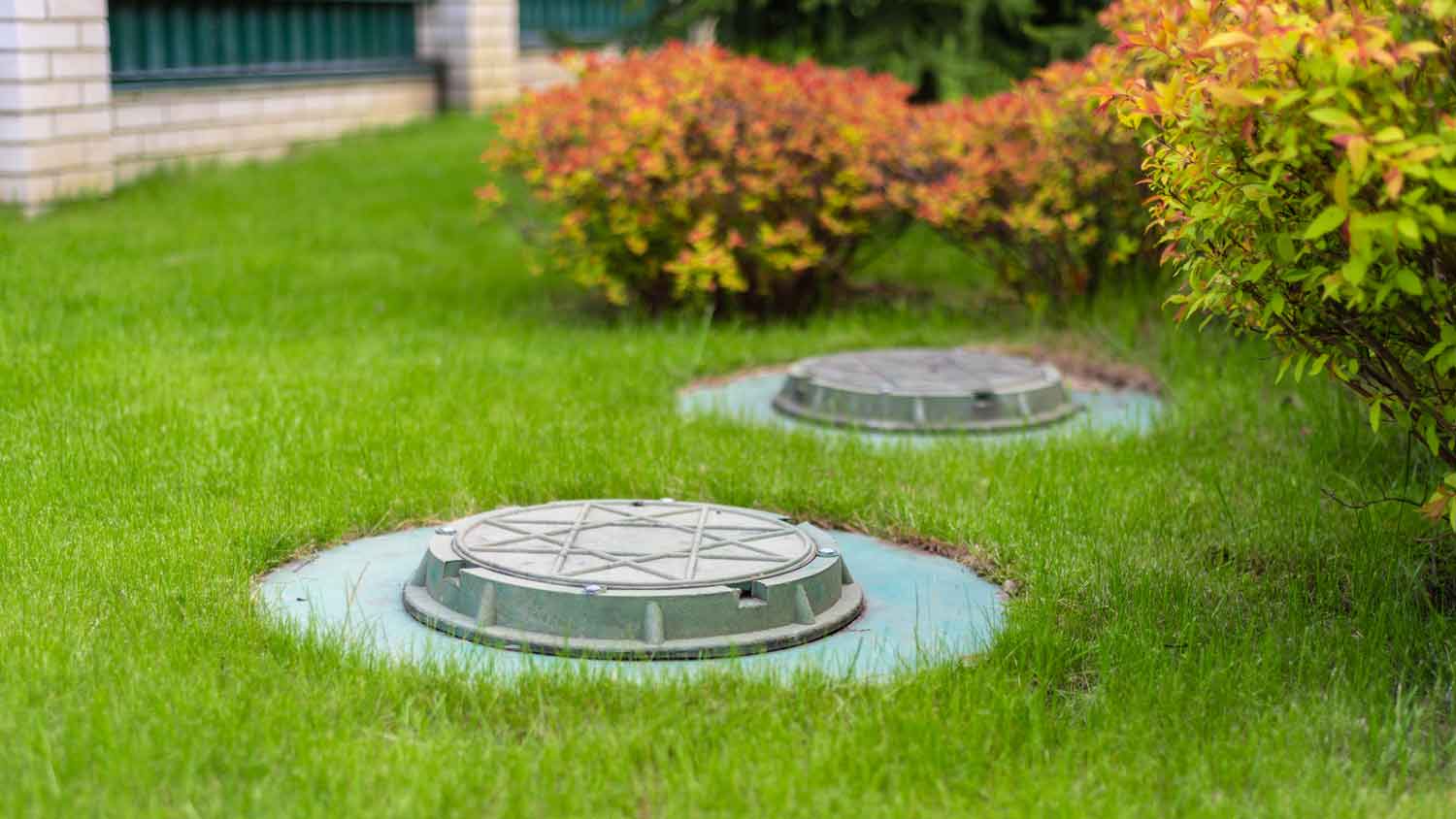
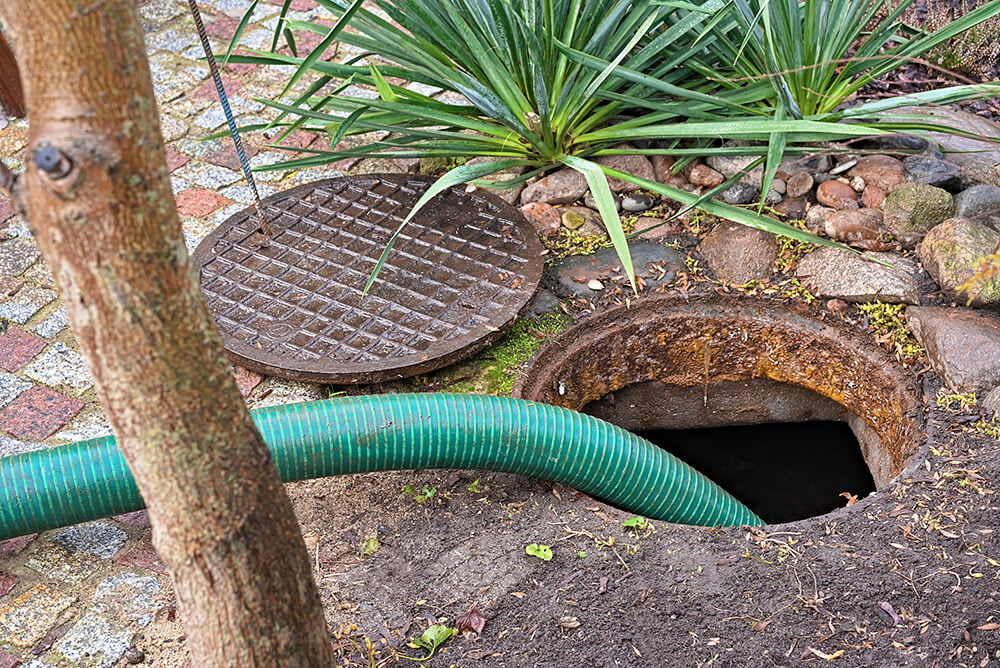
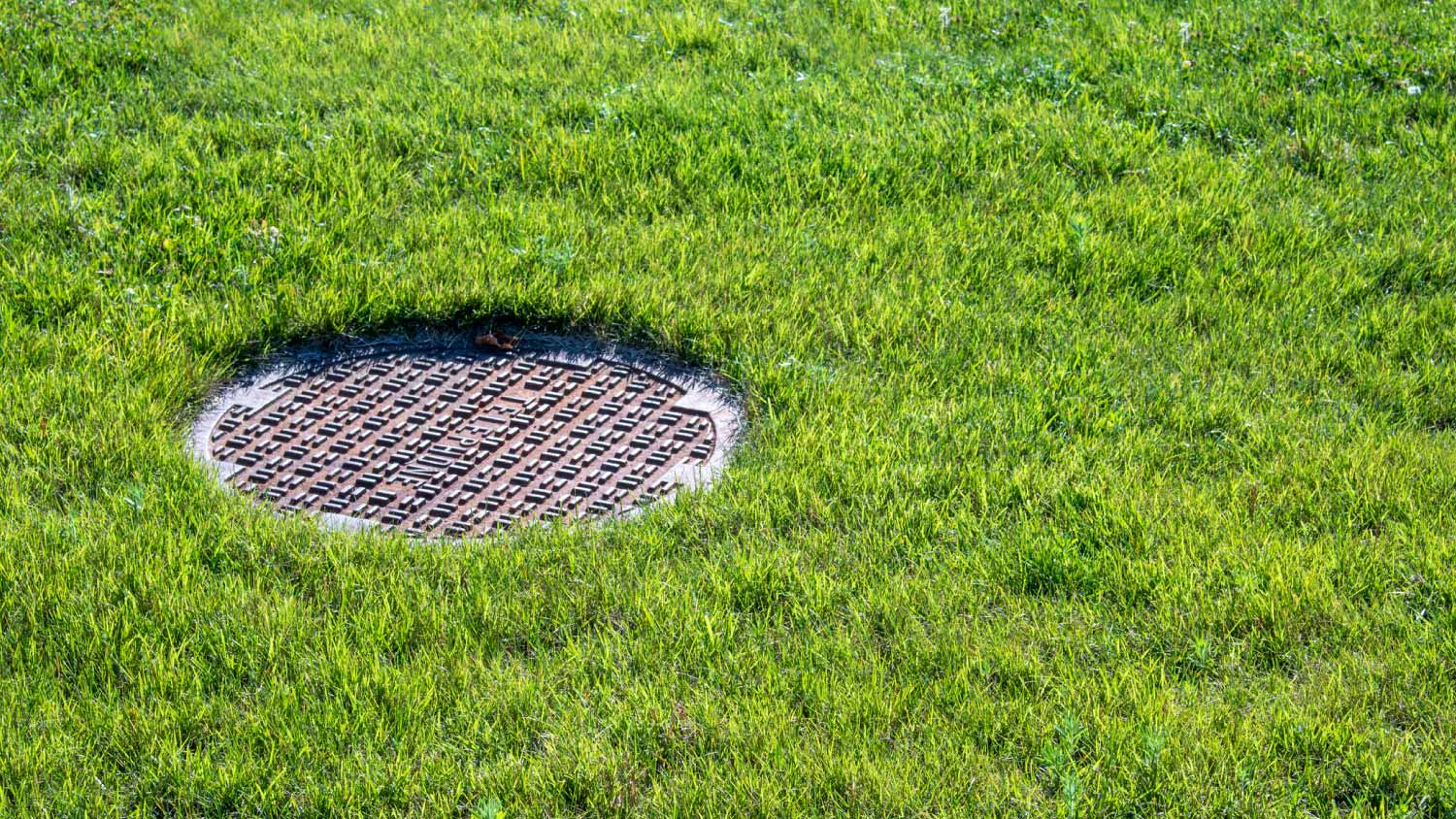
Modern septic tanks have two lids: one that covers the inlet where wastewater flows into the tank and one that covers the outlet where the treated water flows out to the drain field. However, older septic tanks installed before 1975 may have only one lid. Because septic tanks last 20 to 40 years, if yours only has one lid, it may be time for a replacement.

To keep your septic tank healthy, be careful of what you flush and be conservative with water usage, as even flushing too much water down the drain can throw off the septic system’s delicate balance. Never flush anything but human waste and toilet paper down your toilet, and be sure to have the tank inspected and pumped every two to five years, depending on the size of your household and your water usage.

Yes. A metal detector is one of the quickest and easiest ways to find your septic tank. However, metal detectors can be too expensive (costing upward of $300 in some cases), and not everyone has a metal detector just lying around. If that’s the case for you, you can also take a long metal rod and poke it into the ground at regular intervals until you hit something—likely your septic tank lid.

Yes, shower water goes into the septic tank. Shower water is a type of greywater, and in fact, all water used in a home with a septic system—including water from sinks, toilets, the dishwasher, and the washing machine—drains into the tank. When shower water enters the tank, debris like soap and hair travels with it. The solid debris sinks to the bottom to become sludge, while soap residue joins the scum layer at the top. The remaining water is treated in the tank before moving to the drain field for further treatment and dispersal. It is important to avoid putting oil or harsh chemicals down any drain, as they can cause clogs or disrupt the beneficial bacteria required for proper wastewater management in the septic system.

There are many reasons you may want to extend the depth of an existing well or drill a new, deeper well on your property. A deeper well can tap cleaner water sources—shallow water may contain more contaminants. With a deeper well, you’ll also have an easier time reaching the water table depth (the level at which underground water is found) and can get past tricky soil conditions. 

Plus, if your local building code requires a minimum well depth for safety and environmental standards, you’ll meet the code by digging a deeper well in the first place.

The Chilly, ID homeowners’ guide to septic tank services

From average costs to expert advice, get all the answers you need to get your job done.