

Top-rated excavation pros.

Get matched with top excavation pros in Chilly, ID

Enter your zip and get matched with up to 5 pros

Need a pro for your excavation project in Chilly, ID?

Select your specific project to find the pro for you.

Find Excavation pros in Chilly

Avatar for Wild West  Excavation, LLC
Wild West Excavation, LLC
5.0(
2
)

Serving Chilly, ID and surrounding areas

In business since 2017

Free estimates

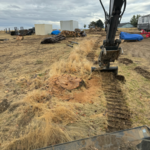
"Vaughn & his family are very knowledgeable about grading, brush removal & how to get it done efficiently. He brings in the equipment necessary even if it wasn't his original plan. We had about 1 1/2 acres of brush, weeds & debris that needed to be tamed. We had just moved in to this house & the back area by the basement door had been graded improperly causing water issues. Vaughn had the brush & debris cleared & disked under as well as the back area graded in short time. He has been a huge help to my daughter on her overgrown & unmanaged 6 acres as well. Will highly recommend Wild West in the future."
Response time6 hrs
Response rate87%
Recommended by100%of homeowners
Excavating questions, answered by experts

Yes, professional installations include trenching or borehole drilling required for ground loops.

A mini excavator can dig between 5 and 11 feet deep, depending on the type and size of the mini excavator. Mini hydraulic excavators are more powerful and can reach deeper into the earth, but electric models have a more limited range. Mini excavators over two tons in size are also more powerful and able to dig as deep as 11 feet.

Professional installers often include a deep layer of crushed gravel under permeable pavers to allow more runoff to soak through into the soil below. Many installations will include multiple layers of gravel, with coarser aggregate at the base and finer aggregate that sits on top of that bottom layer. Above the gravel, you’ll often find coarse sand that helps reduce paver shifting over time. Some permeable paver designs include a water collection system set into the gravel layer to route runoff to a safe area for disposal.

There are several methods to hollow out a tree stump, and the best one depends on your tools, experience, and priorities. Common methods include using a chisel and hammer, a chainsaw, or burning.

  • Chisel and Hammer: This is often considered the easiest approach for those with limited tools or experience, though it is the most time-consuming.

  • Chainsaw: Using a chainsaw is the fastest method, but it comes with significant safety risks, especially for inexperienced users.

  • Burning: This can be an effective method, but it is not recommended unless you can first drill holes into the stump. Without holes, the stump will be difficult to light and may not burn completely through.

A power drill with at least a ⅜-inch diameter bit can make the job quicker and easier, regardless of the primary method. While you can use a chisel or chainsaw without a drill, it will require more time and effort. Always wear protective goggles and thick gloves, as splinters are an inevitable risk.

Call 811 to locate and mark the gas lines at least three days before digging. In many areas, you can dig within 18 inches of the lines, though in some locations, the distance may be further. Check local regulations, as you may need a utility company representative onsite when digging. Document your calls to 811 and precautions taken to avoid gas lines. A homeowner can be held liable for hitting a gas line in some cases, but contacting the proper authorities and following all guidelines can offer protection.

The Chilly, ID homeowners’ guide to excavation services

From average costs to expert advice, get all the answers you need to get your job done.

What do you need done? We’ll find top pros.
  • 🌱 "Mow a small front yard"
  • 🛠 "Fix a leaking pipe under the sink"
  • 🏠 "Repair shingles on an asphalt roof"