


Top-rated basement waterproofing pros.

Get matched with top basement waterproofing pros in Challis, ID

Enter your zip and get matched with up to 5 pros

Need a pro for your basement waterproofing project in Challis, ID?

Select your specific project to find the pro for you.

Find Basement waterproofing pros in Challis

Basement Waterproofing questions, answered by experts

While water in your basement is unlikely to make you sick unless it’s coming from a sewage backup, mold is likely to start to grow in wet areas within 24 hours, and mold can make you sick. According to the Centers for Disease Control and Prevention (CDC), inhaling mold spores can cause allergy symptoms, including runny nose, itchy eyes, difficulty breathing, wheezing, and itchy skin. Individuals with pre-existing respiratory issues like asthma and immunocompromised individuals are at an elevated risk of symptoms when inhaling mold spores.

The best basement waterproofing method depends on the specific issue causing the water intrusion. For minor problems, simple solutions like installing a properly functioning gutter system to direct runoff away and grading the soil to slope away from your foundation can be effective.

If you have more significant water problems, the solution will need to be more robust:

  • For standing water on the basement floor, a floor drain or a sump pump system may be the best solution.

  • For water pooling around the foundation, installing an exterior French drain can intercept water before it reaches the basement walls.

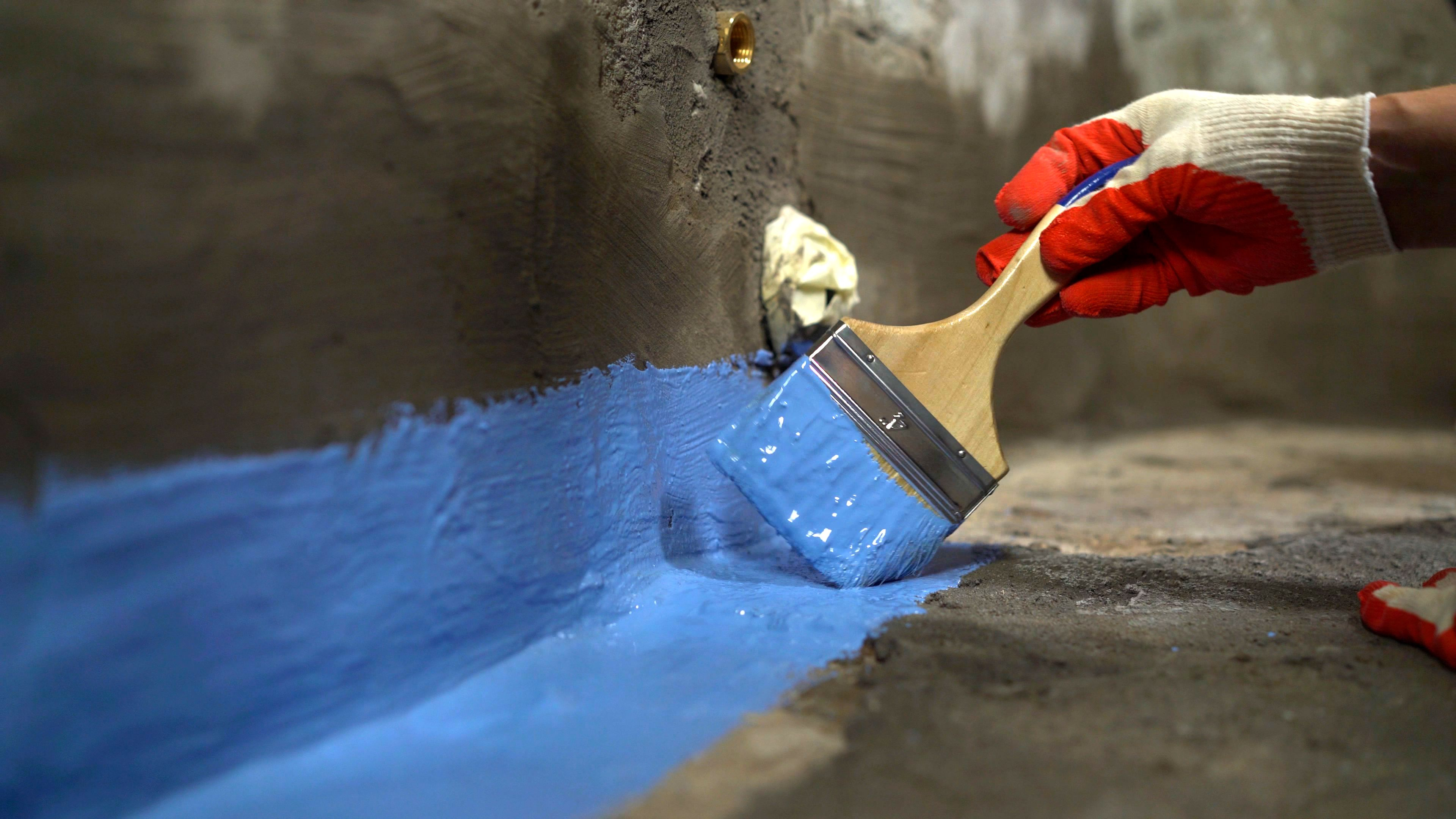
Other effective waterproofing methods, which can be used depending on your home's specific needs, climate, and soil type, include sealing the interior walls, landscape alteration, installing interior drainage systems, and using a dehumidification system to control moisture levels.

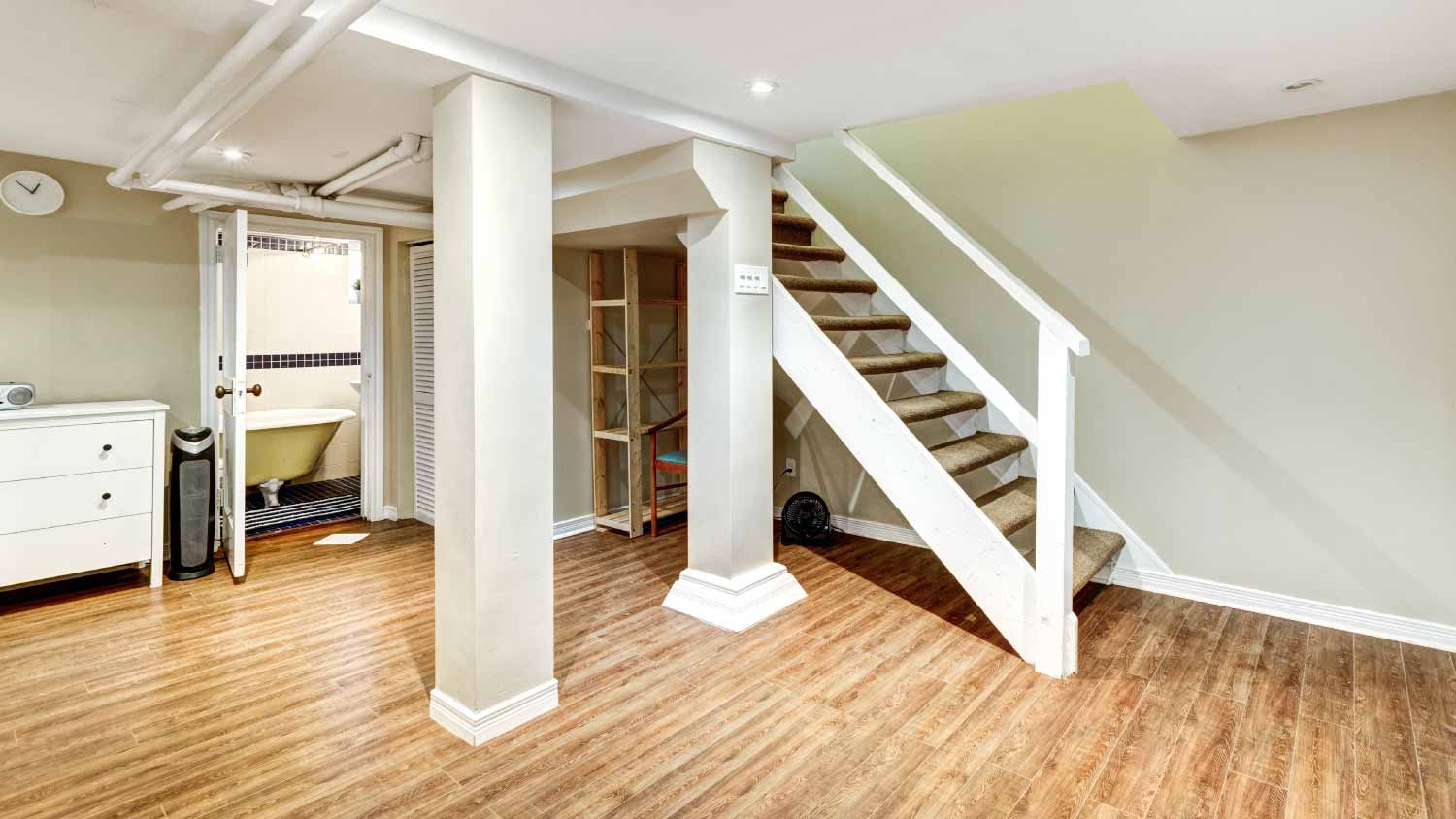
The most challenging part of finishing a basement is addressing moisture control. Basement waterproofing is an essential task that requires a professional’s skills and knowledge. If you don’t properly waterproof your finished basement, it’ll be vulnerable to dampness, water damage, and mold growth. Ensuring proper insulation and ventilation to combat these issues while meeting building codes adds complexity to your remodeling project.

You don’t always need to install a dehumidifier in your encapsulated crawl space, but it might be a good idea in certain instances. If you notice obvious signs of condensation, mold, or musty smells permeating from your crawl space, a dehumidifier can help. It’s ideal for homes in humid areas.

In a worst case scenario, structural damage like rust on metal beams, rotting wood, and swelling on doors and windows can signal moisture problems that would benefit from a dehumidifier.

Brick is designed to absorb moisture, but it is also designed to let it evaporate as well. So in general, the goal shouldn’t necessarily be keeping moisture out but making sure it has the room to breathe. If you have excess moisture getting through your brick wall, it’s more likely that you have a crack or other issue at play that a typical sealant won’t fix. So, instead of investing in sealant, try repairing your brick wall instead.

The Challis, ID homeowners’ guide to basement waterproofing services

From average costs to expert advice, get all the answers you need to get your job done.