





Top-rated basement waterproofing pros.

Get matched with top basement waterproofing pros in Salmon, ID

Enter your zip and get matched with up to 5 pros

Need a pro for your basement waterproofing project in Salmon, ID?

Select your specific project to find the pro for you.

Find Basement waterproofing pros in Salmon

Avatar for Chaud Company Plumbing Services LLC
Chaud Company Plumbing Services LLC
4.7(
28
)
Basement Drainage Channels - Install

Serving Salmon, ID and surrounding areas

In business since 1986

Credit card accepted

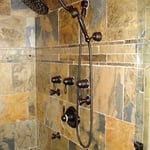
"Well. 1st plumber who looked at the system said shower valves needed to be replaced but that was a problem because there are no access panels. Chaub plummer advised valves were good quality and there was no need to replace. He replaced/installed new hardware and did a great job in a timely manner."
Additional Photos
Additional Photos
Additional Photos
Additional Photos
Recommended by96%of homeowners
Basement Waterproofing questions, answered by experts

It depends on what caused your basement flooding, the extent of the problem, and the risk of the flood continuing. If your flood is coming from a septic system or sewer line, breathing in the sewer gasses can be dangerous, so you should vacate. If the flood occurs from an ongoing natural disaster, relocating to a safe area might be wise. If you just have a plumbing leak or rainwater coming in, you can likely stay in the house if you don’t have electrical lines down there, but make sure you call in professionals to fix the issue immediately.

Due to the nature of basements, some level of waterproofing is necessary to prevent water from seeping in and causing damage. Some definitive signs that your basement needs waterproofing measures or needs existing waterproofing measures need to be updated include:

  • Water in your basement, including damp walls or puddles on the floor

  • Mold spots in your basement

  • Musty smells or odors

  • Warped doors or walls

  • Cracks in walls

  • Insect issues, such as cockroaches and termites

The primary reason homes have crawl spaces is so the foundation can reach down below the frost line to avoid dangerous soil movement and structural damage when the ground freezes. They’re more popular in colder climates where the ground freezes down to a few feet, and slabs are most popular in warmer areas where there is no frost line. Crawl spaces also provide a space for utility lines to run where they’re at less of a risk of freezing.

Plan on cleaning your crawl space at least once a year, though twice a year is ideal. During the cleaning, remove any debris or dust and check for potential issues like pest infestations or water damage. The sooner you catch these issues, the easier (and cheaper) it will be to fix them.

The most flood-resistant materials you can count on in a flood scenario are concrete, closed-cell insulation, foam insulation (also known as expandable foam), pressure-treated wood, marine-grade plywood, and ceramic tile. When a material is flood-resistant, it can withstand direct contact with floodwater for at least 72 hours without being significantly damaged.

The Salmon, ID homeowners’ guide to basement waterproofing services

From average costs to expert advice, get all the answers you need to get your job done.