


Top-rated basement waterproofing pros.

Get matched with top basement waterproofing pros in Carmen, ID

Enter your zip and get matched with up to 5 pros

Need a pro for your basement waterproofing project in Carmen, ID?

Select your specific project to find the pro for you.

Find Basement waterproofing pros in Carmen

Avatar for Chaud Company Plumbing Services LLC
Chaud Company Plumbing Services LLC
4.7(
28
)
Basement Drainage Channels - Install

Serving Carmen, ID and surrounding areas

In business since 1986

Credit card accepted

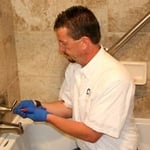
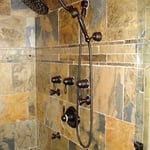
"Well. 1st plumber who looked at the system said shower valves needed to be replaced but that was a problem because there are no access panels. Chaub plummer advised valves were good quality and there was no need to replace. He replaced/installed new hardware and did a great job in a timely manner."
Additional Photos
Additional Photos
Additional Photos
Additional Photos
Recommended by96%of homeowners
Basement Waterproofing questions, answered by experts

Yes, barndominiums can have basements. Barndominiums are typically built over concrete slabs, so barndo basements are not very common. However, it is possible to include a basement in a barndominium blueprint as long as you’re building completely from scratch. Barndos can have the same types of basements as traditional homes, including full or walk-out basements.

Living in a finished basement is acceptable, but only if the space has the proper points of egress and includes smoke and carbon monoxide (CO) detectors to ensure the safety of the occupants. A good way to ensure your finished basement is suitable for use as living space is to get the basement finishing project properly permitted.

As the first layer of water protection for your roof deck and the building materials below, underlayment is designed to prevent water damage, so it’s okay if it gets wet. However, you shouldn’t rely solely on underlayment for protection. If rain interrupts your roof project and you have all of the underlayment down, you’ll likely be fine, but you should install shingles over that layer as soon as possible, as long-term exposure can lead to water damage.

Water damage always poses a primary risk of mold and mildew, but growth is not guaranteed. The chances of mold developing depend on several factors, including the severity of the damage and how quickly the area is cleaned and dried. To prevent mold, you must act quickly—ideally within the first 24 hours. Clean up all water and thoroughly dry the affected area. If the damage is extensive, you were unable to address it immediately, or you suspect mold has already started to grow, it is best to assume it is present and hire a professional mold inspector or removal expert to assess the situation.

Mold and other fungi love moisture, so the best way to prevent mold growth after water damage is to remove as much moisture as possible. First, find the source of the water or moisture, such as a leak or clogged gutters, and correct the problem. Next, remove standing water, vacuum up puddles with a shop vacuum, and run blower fans and dehumidifiers for 24 to 72 hours. Once you've removed all traces of moisture, disinfect the area using either vinegar or bleach to kill any remaining mold spores.

The Carmen, ID homeowners’ guide to basement waterproofing services

From average costs to expert advice, get all the answers you need to get your job done.