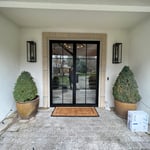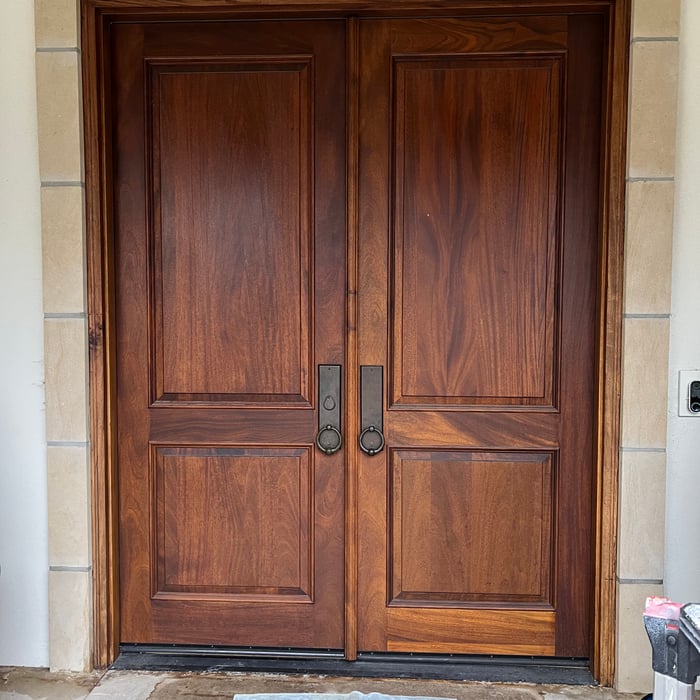










"I needed my door replaced and Jeff was wonderful. He got the job done quickly and the new door looks great. I am very happy with my experience an I highly recommend using JBA if you need something done around the house."
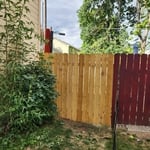
"Arrived on time. Trouble shot the problem, found the problem, fixed it. My motion sensor needed to be re mounted after siding crew removed it. It wasn’t getting any juice. Works great now. He also attached the door bell button and replaced the chime box. He will be back to fix a span of my fence in the future."
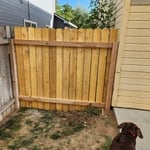
"Always nice to watch someone who really knows what he is doing, in our case putting in a picket feence and a gateway arch across our front yard. Just a pleasure to work with."
"Mr. Ryan was on time, work hard, listened to my description of what I need done. He articulated the job to the point. Went to pick up the needed supplies to accomplish the task. Very pleased with High Five Handyman."
"Paul did a fantastic job of repairing some water damage and wrapping and painting some bead board around a bar. His high quality work is very appreciated. He is very professional, tidy and fairly priced. I would definately recommend him and will ask him back to help with other projects. Thanks Paul!"
"He was really good, I wanted the switch replaced me. He said I didn't need one there, so he put a regular switch in, and then he came into the kitchen and checked this one. The GFCI switch in my kitchen was not working, so she put a new one in there."
"Charlie was professional and courteous and provided high-quality work that was completed within the time-table he promised. I would...and will...definitely use Siegl Construction again."
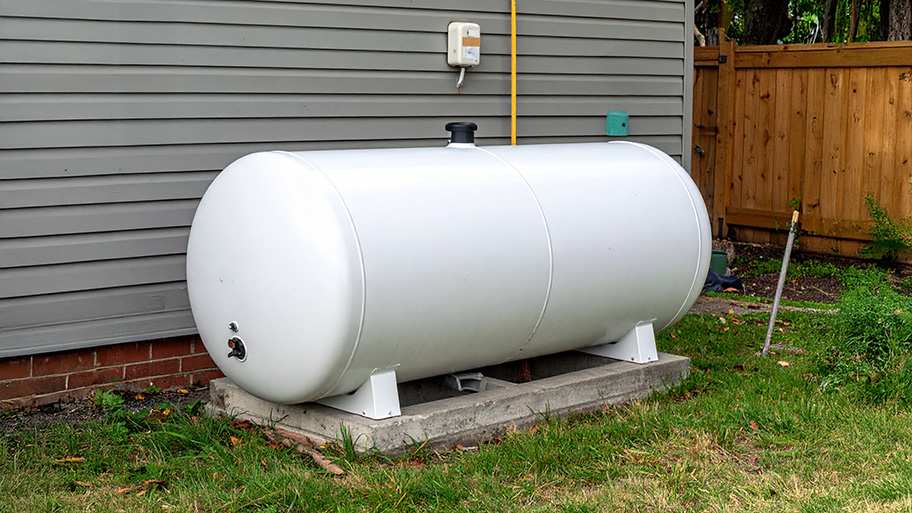
Appliances typically connected to a gas line include gas stoves, water heaters, furnaces, and gas fireplaces. Essentially, any appliance in your home that uses gas needs to be connected to a gas line, which connects your home with the main gas line owned and operated by your gas company.
No. Placing a built-in grill against the house is discouraged due to safety concerns. Building codes and regulations often require a minimum distance (typically 10 feet or more) between a gas grill and any combustible structure, including a house. Placing a grill too close poses a fire hazard and risks damage to the siding or structure, potentially leading to carbon monoxide buildup. It's essential to consult local building codes, follow manufacturer guidelines, and prioritize safety by positioning the grill at a safe distance, ideally in a well-ventilated outdoor kitchen or designated grill area.
Safety steps include proper vent installation, connector tightness, and leak testing. A safe environment must be maintained throughout.
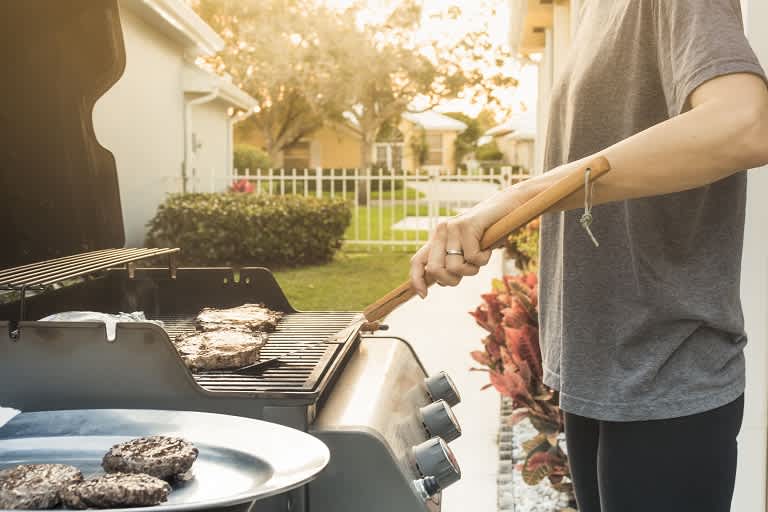
The most significant benefit of having a gas grill over a propane grill is that you never run out of fuel unless there’s an outage in your area, which is rare. Unlike with a propane grill, you’ll never need to haul tanks back and forth to a local fill station, and you’ll never find yourself unable to use your grill because you forgot to refill your tanks. Gas grills also burn slightly cleaner than propane grills, and natural gas costs significantly less than propane, meaning it’s more affordable to run your grill.
Examples include gas stoves, ovens, and water heaters. Confirm with your provider for specific items.
The Boise, ID homeowners’ guide to grill assembly services
From average costs to expert advice, get all the answers you need to get your job done.
Planning a new outdoor cooking space? Learn everything you need to know about gas grill installation costs, setup options, and how to hire a local pro.
Don’t leave your grill behind when moving house. Learn how to move a grill safely so you can enjoy a home-cooked meal on your first night in your new place.