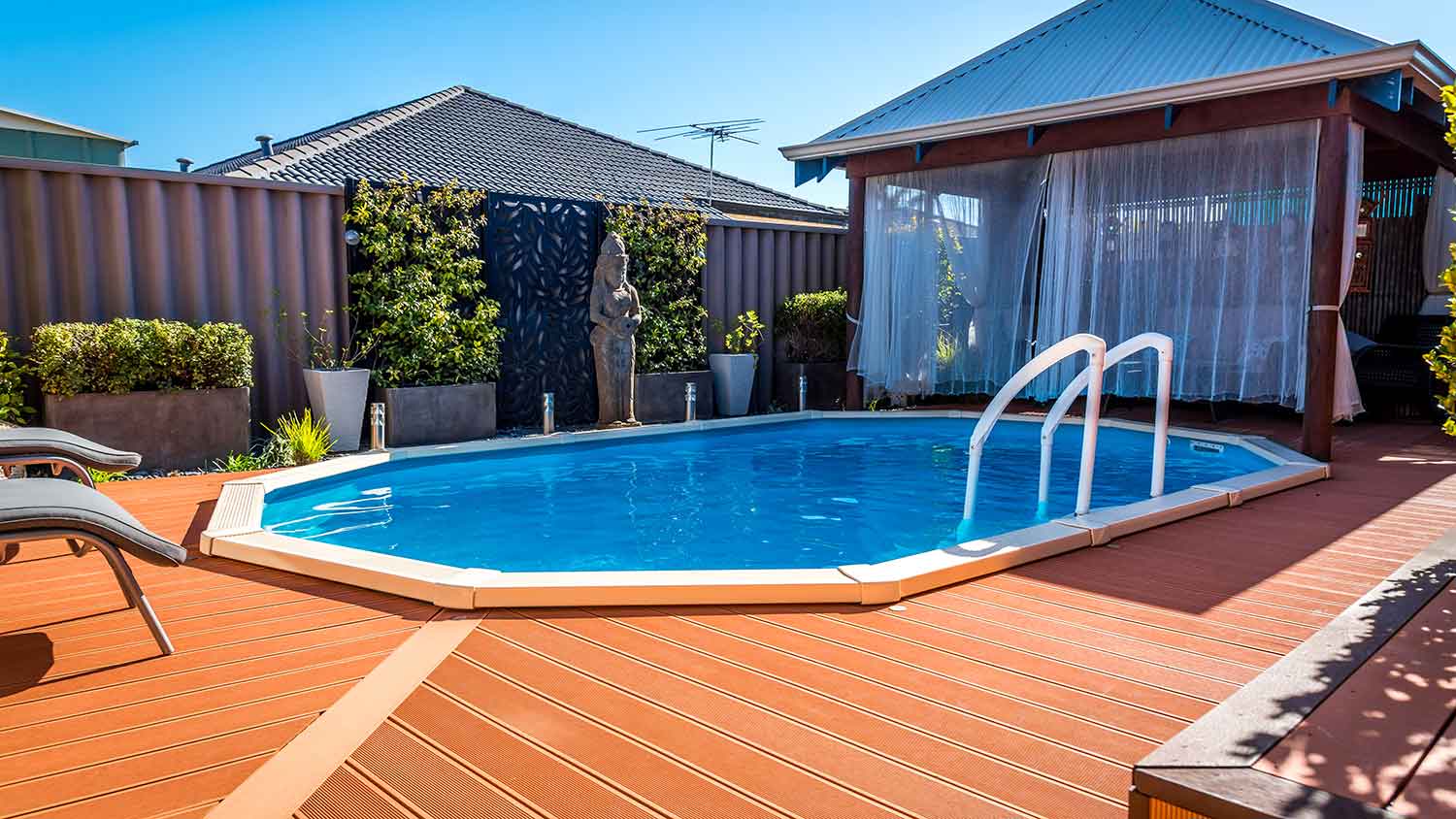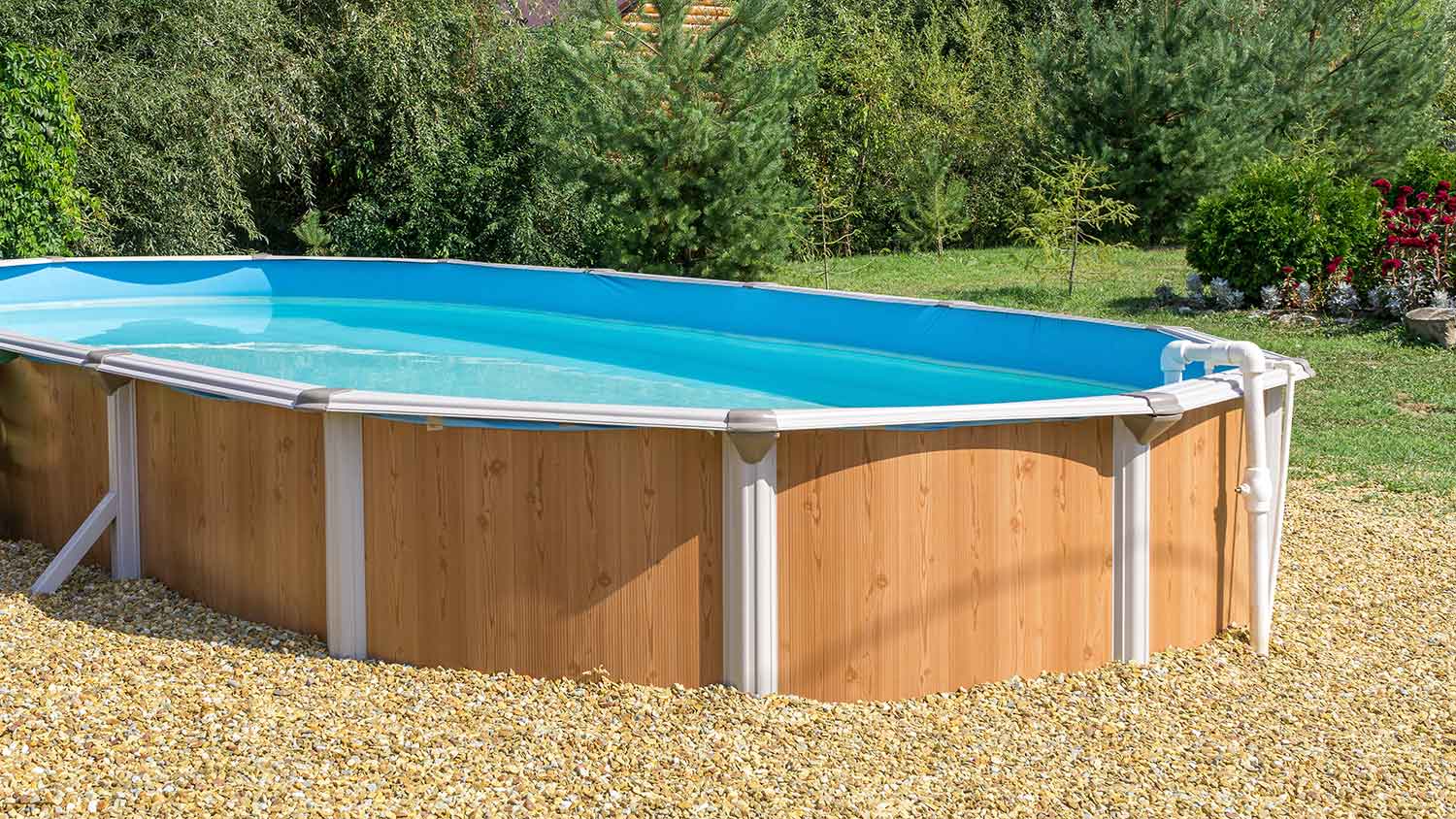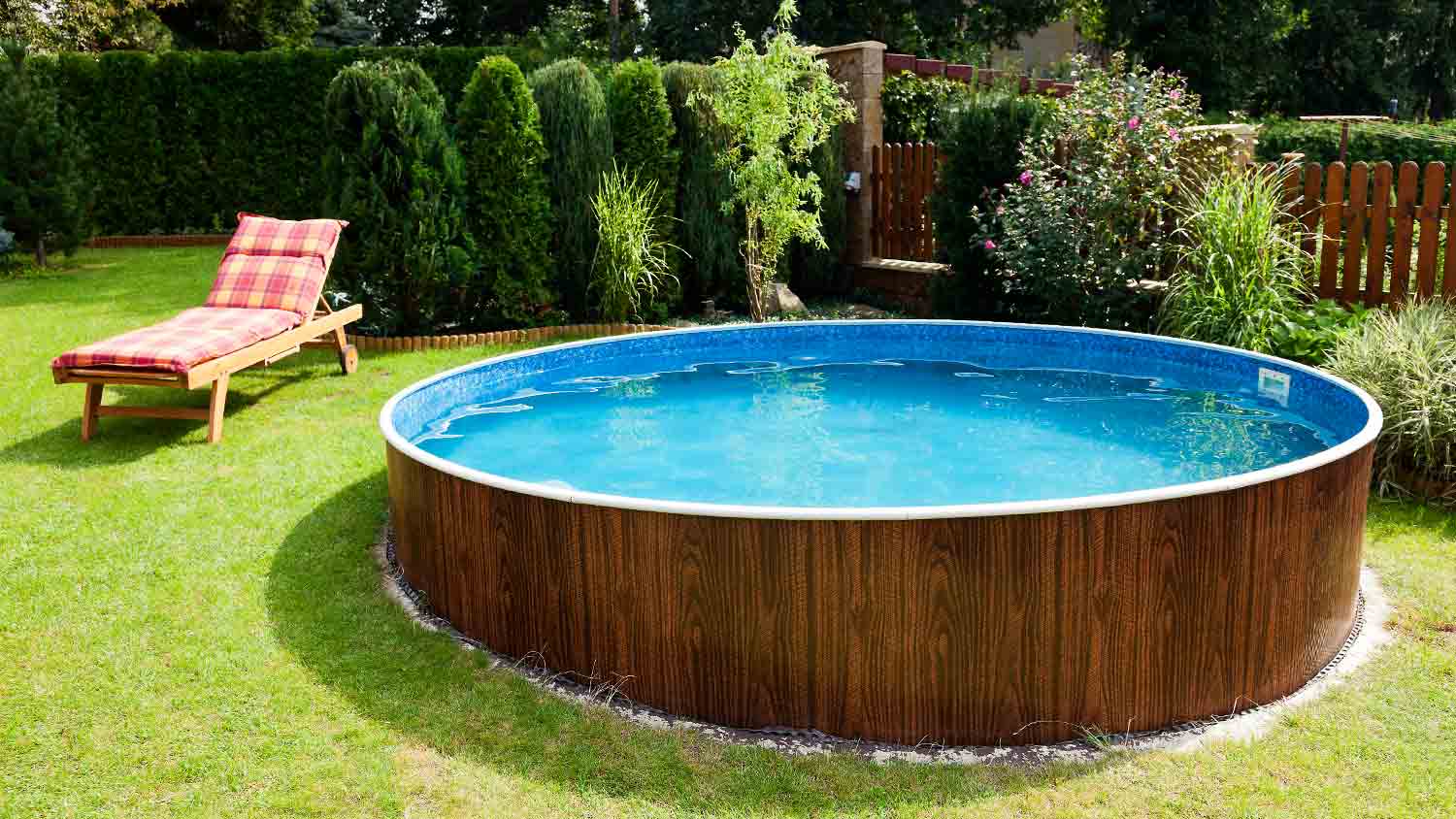






Top-rated above ground pool installation pros.

Best above ground pool installation pros near Bayview, ID

Enter your zip and get matched with up to 5 pros

Need a pro for your above ground pool installation project in Bayview, ID?

Select your specific project to find the pro for you.

Top-Rated Above ground pool installation pros in Bayview - Updated Nov 2026

Install Above Ground Pools FAQs, answered by experts

Calcium lumps in a pool are calcium deposits that form when a pool's water parameters are not in the normal range. They can float around on the surface of the pool water, making it look and feel dirty. The most common causes of calcium lumps in pools are calcium hardness above 1,000 ppm, alkalinity over 120, and a pH over 7.8. Keeping your pool’s calcium levels, alkalinity, and pH levels within the normal, safe ranges is the best way to prevent calcium lumps and other problems, including damage to the pool surface.

There are many factors to consider when building an in-ground concrete pool. This includes the pool’s primary purpose (relaxation or exercise) if you live in a warm or cold climate (how often it’ll be used), and if you have the budget for chemical treatments and pool maintenance. In-ground pools are often more costly than aboveground pools, but they’re considered more luxurious and hold more value.

The total time to install an inground pool typically ranges from 8 weeks to 4 months. This timeline can be influenced by several factors, including permitting, site preparation, and the construction process itself.

Key phases and their typical durations include:

  • Permits: Obtaining necessary permits can take anywhere from two to six weeks.

  • Excavation and Site Preparation: This phase takes about a week but can be extended by problematic soil, unexpected ground conditions, or the need to move underground utility lines.

  • Construction: The actual build, including plumbing and electrical work, often takes one to two months. The pool material is a major factor here; a concrete pool needs about 30 days to cure, while installing a fiberglass or vinyl liner is much faster.

External factors can also cause significant delays:

  • Contractor Availability: Spring and summer are busy seasons, and high demand can lead to long waitlists, potentially adding months to your start date. It is often recommended to start planning and getting estimates up to a year in advance.

  • Other Delays: Weather, material shortages, complex designs, and other unforeseen challenges can extend the project timeline.

Generally, you do not need to drain your pool to convert it to a saltwater system. The main exception is if you have used an antibacterial agent containing polyhexamethylene biguanide to sanitize your pool, as these sanitation products do not mix well with saltwater systems. If this is the case, you will need to start fresh. You can either drain the pool or treat the existing water with a high dose of chlorine to remove the antibacterial agent. If you choose the chlorine treatment, wait several days to allow the chlorine to work before proceeding with the conversion. If you are unsure whether this applies to your pool, consult a pool technician.

You do not need to excavate or lay a foundation for a stock tank pool. You should, however, level the area where you plan to put the stock tank. Also, stock tanks full of water and people can get heavy, so do not place them on a deck or other raised structure that could collapse from the weight.

The Bayview, ID homeowners’ guide to above ground pool installation services

From average costs to expert advice, get all the answers you need to get your job done.