


Get matched with top drywall pros in Waterloo, IA

Waterloo homeowners rate drywall pros in our network

4.9

(21 reviews)

Top-rated drywall pros.

Need a pro for your drywall service project in Waterloo, IA?

Select your specific project to find the pro for you.

Find Drywall pros in Waterloo

Avatar for Roofing Experts
Roofing Experts
4.9(
44
)

Serving Waterloo, IA and surrounding areas

Approved

Super Service Award Winner

Customers say: True professional

"Great communication. Had the team there and working on a windy day and after 3 solid rainstorms, roof looks great and more importantly, we are all dry inside. Thanks Ben and team!"
Roofing Project
Roofing Project
Roofing Project
Roofing Project
Roofing Project

+20

28 neighbors recently requested a quote
Recommended by93%of homeowners
Avatar for Northland Handyman Services
Northland Handyman Services
5.0(
8
)

Serving Waterloo, IA and surrounding areas

Approved

In business since 2024

Emergency services offered

Warranties offered

"A big storm in March caused what seemed to be a pretty big leak in my roof. Kole was able to show up the very next day, locate the issue quickly and fix the problem . He then checked the rest of my roof without being asked and performed some preventative maintenance to avoid similar issues in the future. It is now June and we have experienced no additional leaking."
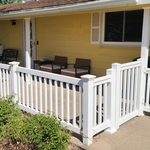
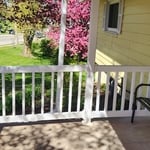
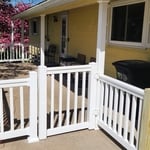
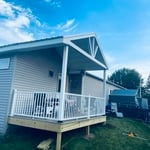
Patio Railing
Patio Railing
Patio Railing
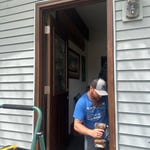
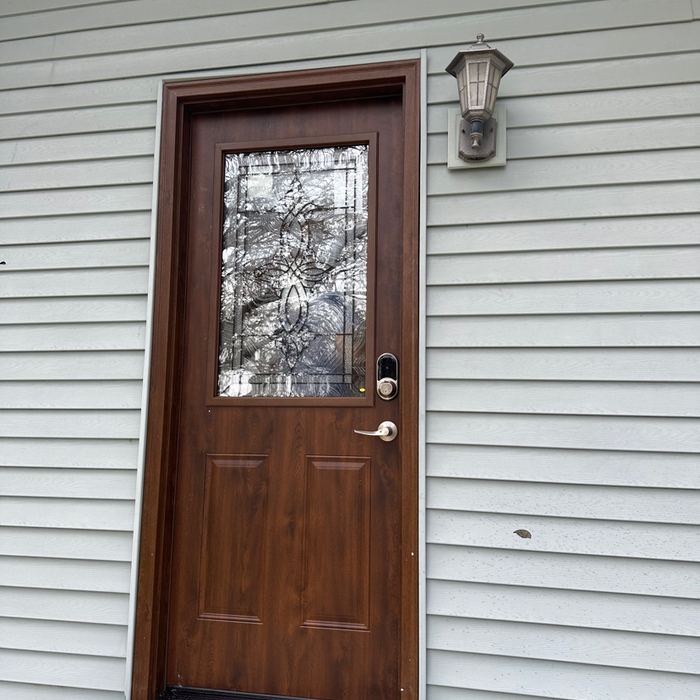
Front Door Installation

+2

Response time5 hrs
Response rate100%
7 neighbors recently requested a quote
Avatar for Rise Construction
Rise Construction
5.0(
5
)

Serving Waterloo, IA and surrounding areas

Approved

In business since 2025

Free estimates

Credit card accepted

"Very professional and had the best work ethics I could've asked for. As a disabled person I really needed the help. As I am currently relocated here from my family. I need help on this project and I am so grateful for a pleasant opportunity to work with Atlas Construction! I am looking forward to future projects with this company! Dy Stitts"
Response time4 hrs
Response rate89%
8 neighbors recently requested a quote
Avatar for Christopher White
Christopher White
New to Angi

Serving Waterloo, IA and surrounding areas

Approved

Small jobs welcome

Offers commercial services

I've been doing handyman, construction, carpentry work for 16 years now. Over that time I've learned how to do countless different jobs and overcome various different snags and setbacks. Efficiency and dedication drive me and I will work as much as needed to meet a deadline.

2 neighbors recently requested a quote
...
Showing 1-10 of 96
Drywall questions, answered by experts

If your home was built before the 1940s and was not remodeled in the past 50 or so years, you probably have plaster walls. Aside from assuming, there are some practical ways to tell if you have plaster walls, including the following: If you knock on the wall and it feels solid, not hollow, if you can’t insert a thumbtack easily, if there are cracks that look like spiderwebs, or if your home has curved, arched, or swirled walls, doorways, or window openings.

If you have an unfinished basement or attic, you could examine the backs of any finished walls to check, too.

For maximum stability, install grab bars on wall studs, as this will adequately support the weight. However, if you don't have access to studs, you can get by with wall anchors. If opting for the latter, choose specialty hollow wall anchors. 

Although they have similar applications, spackle and joint compound are not the same. Their primary differences lie in their composition, consistency, and ideal use cases.

Spackle is composed of gypsum and binding agents, making it thicker than joint compound. It dries quickly and is easy to sand, which makes it ideal for small wall repair projects like filling nail holes or patching minor damage.

Joint compound, also known as drywall mud, consists of limestone and gypsum. It is primarily used for large-scale projects, such as taping and finishing the seams on newly installed drywall. It tends to shrink more than spackle and can be more difficult to spread.

While both products can be used to fill small depressions and cracks, spackle cannot replace joint compound for taping and mudding new drywall. Conversely, you can often use joint compound for small patching jobs typically done with spackle.

There are six levels of drywall finish, from 0 to 5, that refer to the amount of work performed during the finishing process.

Level 0: Drywall is hung with no finishing work.

Level 1: Tape is placed over the seams between drywall sheets.

Level 2: A thin layer of mud is applied over the tape and screw holes. This level is common for utility rooms or walls that will be covered.

Level 3: A full coat of mud covers the screw holes and tape, but the surface is not sanded. This is often used in garages.

Level 4: This is the most common finish for visible interior walls. It involves applying two coats of mud over seams and screw holes, with sanding between each coat, creating a smooth surface ready for flat paint.

Level 5: This is a high-end finish for luxury homes. It includes full taping, mudding, and sanding, plus a final skim coat over the entire surface before painting.

If the holes in the plaster are small, you can fill them with layers of patching plaster until they’re filled. After it dries, you can sand the plaster and paint over it. If the hole is much larger, consider using bonding plaster first and then a layer of patching plaster, completing the process with sanding and a layer of paint.

The Waterloo, IA homeowners’ guide to drywall services

From average costs to expert advice, get all the answers you need to get your job done.