

Top-rated arborists.

Get matched with top arborists in Robins, IA

Enter your zip and get matched with up to 5 pros

Need a pro for your arboricultural service project in Robins, IA?

Select your specific project to find the pro for you.

TRUSTED BY ROBINS, IA HOMEOWNERS

  • Average homeowner rating star icon4.4
    Average homeowner rating
  • Verified reviews icon435
    Verified arboricultural services reviews

Find Arborists in Robins

Avatar for Exceptional Edge
Exceptional Edge
5.0(
3
)
Tree RemovalTree TrimmingTree Stump - Remove+5 more

Serving Robins, IA and surrounding areas

Approved

In business since 2017

Emergency services offered

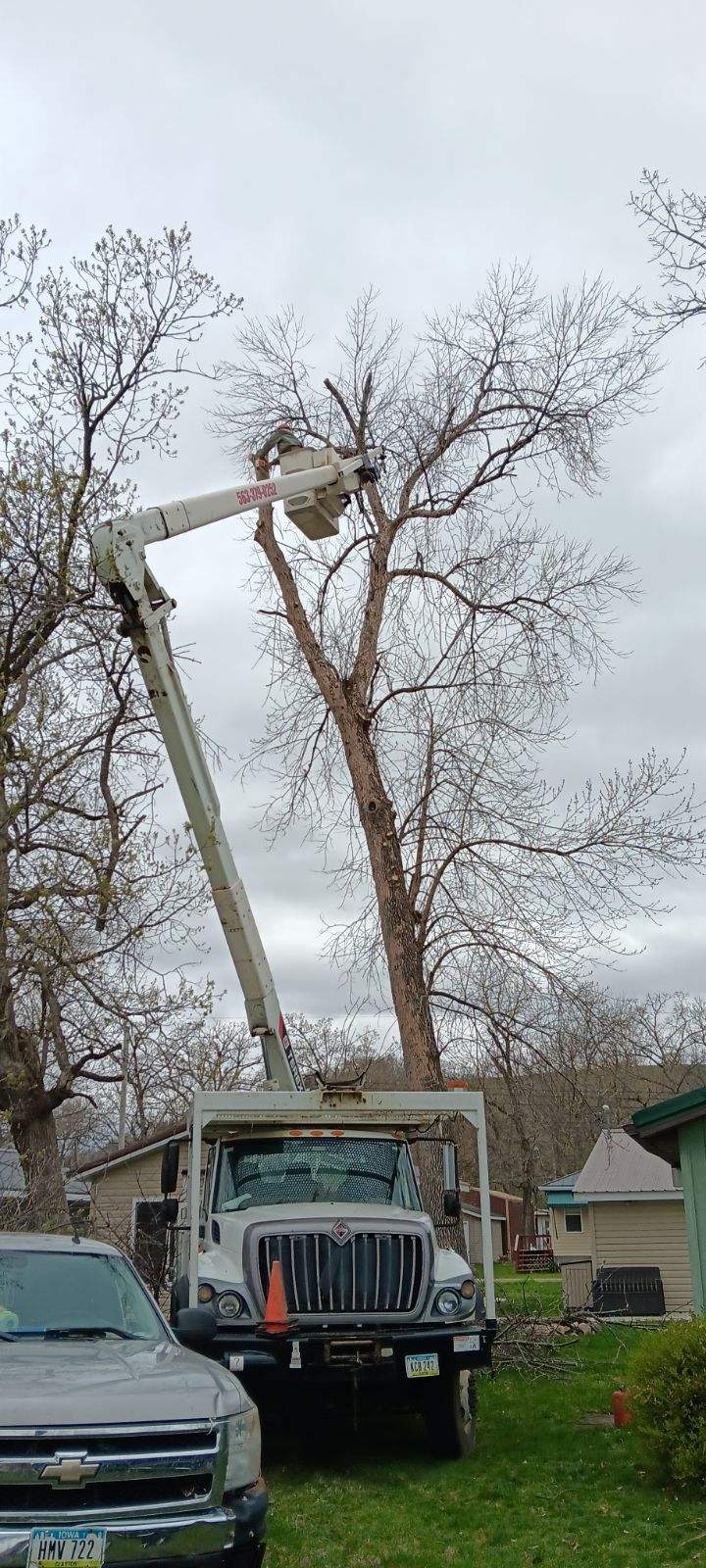
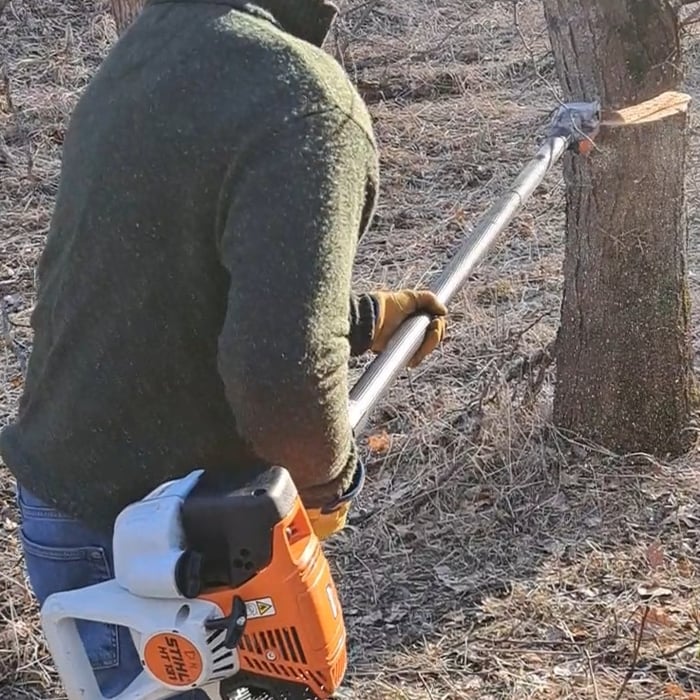
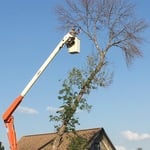
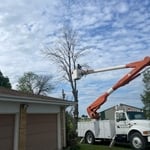
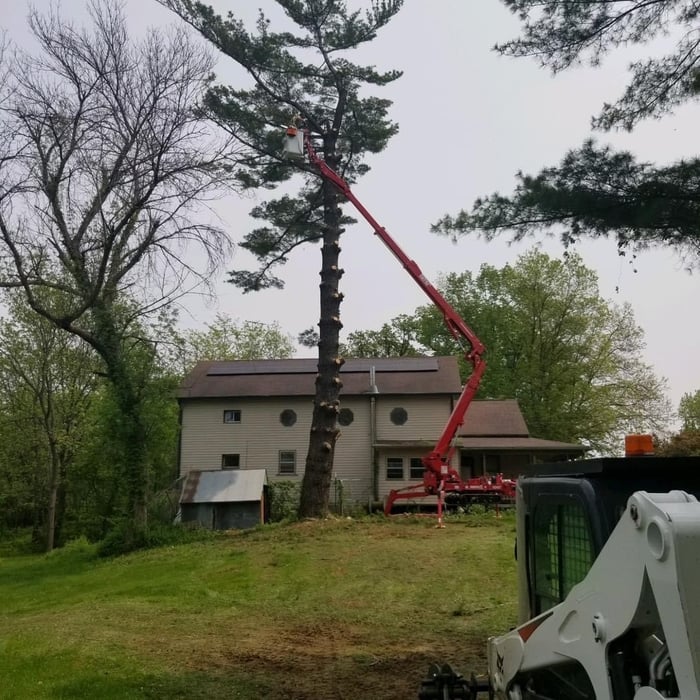
"The Exceptional Edge technicians were very professional and meticulous how maneuvered around to trim my shade tree. I was very impressed how they removed the stump and all the tree limbs without tearing up my yard. Their service was excellent and they have the latest equipment technology."
Additional Photos
Additional Photos
Additional Photos
Additional Photos
Additional Photos

+10

7 neighbors recently requested a quote
Recommended by100%of homeowners
Avatar for Ground Line Company, LLC
Ground Line Company, LLC
5.0(
3
)
Tree Removal

Serving Robins, IA and surrounding areas

Approved

In business since 2024

Free estimates

"I highly recommend Ground Line Company for any excavation or utility prep work. I’ve partnered with them on multiple jobs, and their attention to detail is top-tier. They are precise with their depths and layouts, which is critical for electrical inspections and code compliance."
Tree Clearing
Tree Clearing
Tree Clearing
Grading
Response time6 hrs
Response rate100%
4 neighbors recently requested a quote

...
Showing 1-10 of 104
Arborists questions, answered by experts

Tree roots can take weeks to years to die, depending on the method you use. Chemical herbicides take the least amount of time—typically between three and four weeks—while homemade methods, like covering an old stump with leaves, could take between seven and eight years. If you’re unsure which method to use or how quickly you need to act, consulting with a pro is always a good idea.
Early signs that a tree is struggling include premature leaf shedding and lesions or other strange markings. Peeling bark, dead or rotten branches on the ground, and a conspicuous lack of leaves can all be signs that a tree has started to die. By the time a tree starts leaning, it’s usually too far gone to save.

The best tools for tree removal include a chainsaw for large trees, an ax for notching and cutting down small trees, and a wedge to help control the direction a tree falls in. A hatchet can be useful for very small trees, but won’t be effective for medium to large trees. 

Dutch elm disease can’t harm humans. In fact, according to Cal Fire, bark beetles aren’t even typically dangerous to trees unless that tree is already weakened. The problem comes when Dutch elm disease kills a tree. That tree is more at risk of falling and catching fire, which can pose a serious threat.

In general, trees should be planted no closer than 15 to 20 feet from your foundation. For larger trees with far-reaching roots like maples, oaks, or poplars, a good guide is to plant as many feet from your home as the tree’s height is expected to reach at maturity. Some trees, like elms and willows, should only be planted far from where their roots may encounter sewer or water lines.

The Robins, IA homeowners’ guide to arboricultural services

From average costs to expert advice, get all the answers you need to get your job done.