




Top-rated arborists.

Get matched with top arborists in Palo, IA

Enter your zip and get matched with up to 5 pros

Need a pro for your arboricultural service project in Palo, IA?

Select your specific project to find the pro for you.

TRUSTED BY PALO, IA HOMEOWNERS

  • Average homeowner rating star icon4.4
    Average homeowner rating
  • Verified reviews icon435
    Verified arboricultural services reviews

Find Arborists in Palo

Avatar for Exceptional Edge
Exceptional Edge
5.0(
3
)
Tree TrimmingTree RemovalTree Stump - Remove+5 more

Serving Palo, IA and surrounding areas

Approved

In business since 2017

Emergency services offered

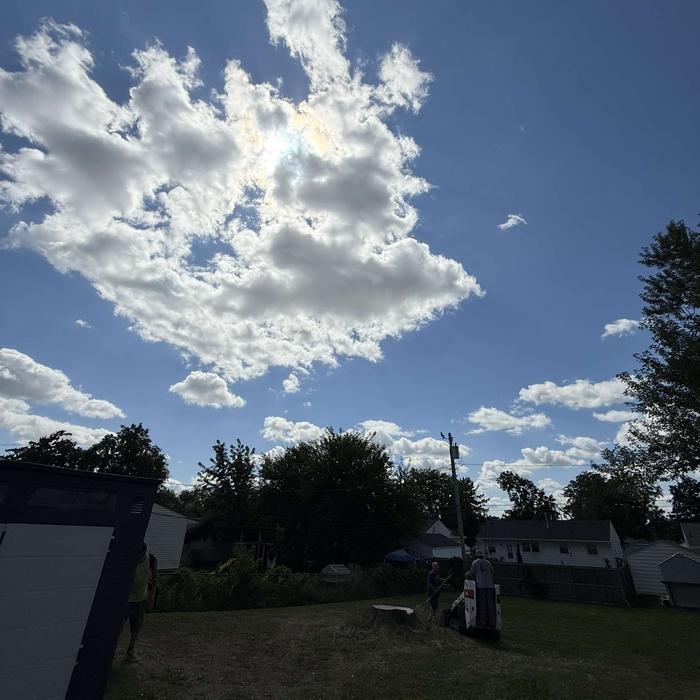
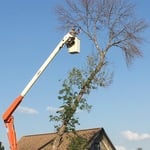
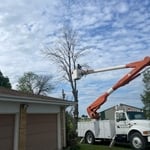
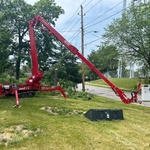
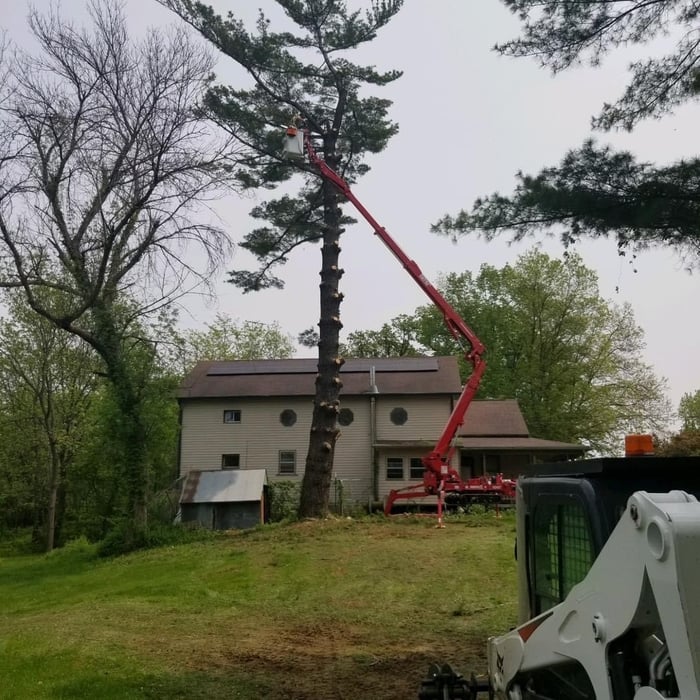
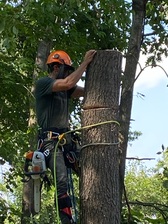
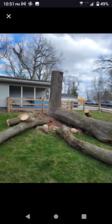
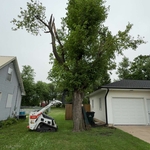
"The Exceptional Edge technicians were very professional and meticulous how maneuvered around to trim my shade tree. I was very impressed how they removed the stump and all the tree limbs without tearing up my yard. Their service was excellent and they have the latest equipment technology."
Additional Photos
Additional Photos
Additional Photos
Additional Photos
Additional Photos

+10

8 neighbors recently requested a quote
Recommended by100%of homeowners
Avatar for Charlier hydroseeding & land management
Charlier hydroseeding & land management
5.0(
4
)
Tree Trimming

Serving Palo, IA and surrounding areas

Approved

Free estimates

Small jobs welcome

Credit card accepted

"My wife and I had some horrendous super weeds take off in our flower beds . All around the house, and out of control crabgrass in our ditches. I hired Nick and we made a game plan on what was most cost effective and best for our circumstances. We live next to crops, and have a dog. Obviously have water ways needing treatment. So a lot of little nuances going on there. Nick came back with proper research and sprayed accordingly to each situation. Then his crew and him removed the excess vegetation and even som small trees that had come in by squirrels or birds. We have a set game plan for the future of the project and bigger plans next year! He was even able to work around my hectic schedule for what was best for our household. Thanks Nick and crew!"
overgrowth cleanup
overgrowth cleanup
Shrub removal
Shrub removal
Shrub removal

+2

2 neighbors recently requested a quote
...
Showing 1-10 of 79
Arborists questions, answered by experts

Sudden oak death and oak wilt are different diseases. Oak wilt first shows up in tree leaves while sudden oak death affects the branches and trunk. However, as symptoms in both can overlap, it’s best to consult a professional arborist tree expert for a proper diagnosis and development of a treatment plan.

In most cases, you should not use a pruning seal on trees after trimming. Applying a sealant can interfere with the tree's natural healing process, and it does not guarantee protection from pathogens. Instead of sealing the cut, the best practice is to support the tree's natural recovery by providing it with plenty of water and a dormant-style fertilizer. However, there are exceptions. Pruning seals may be recommended for very vulnerable species, like elm trees, in areas where dangerous diseases such as Dutch elm disease are prevalent. In these specific situations, the protection offered by a sealant can outweigh its downsides. For advice tailored to your situation, especially after cutting large branches, it is best to consult a local tree trimming professional.

Some fast-acting products can rot a tree stump in four to six weeks. Keep in mind, these products contain harsh chemicals that may prevent regrowth in the area. Other products, like fertilizer that contains lots of nitrogen, can enhance the process and rot a stump in about a year. (This is compared to the ten years it can take naturally for a stump to rot.)

Many consider the Fraser fir to be the most popular type of Christmas tree, but which type of tree sells out near you can depend on region and decorating trends that year. For example, the Leyland cypress is especially popular in the Southeast, according to the National Christmas Tree Association.

Deciduous shade trees (the type of trees whose leaves fall off in autumn) need to be pruned in late winter—between February and March. That’s because it’s easier to find and remove sick or dead branches when no leaves are present. And wounds close and heal faster in colder temperatures so pruning them at this time also makes them less prone to infection.

The Palo, IA homeowners’ guide to arboricultural services

From average costs to expert advice, get all the answers you need to get your job done.