


Top-rated arborists.

Get matched with top arborists in Mount Vernon, IA

Enter your zip and get matched with up to 5 pros

Need a pro for your arboricultural service project in Mount Vernon, IA?

Select your specific project to find the pro for you.

TRUSTED BY MOUNT VERNON, IA HOMEOWNERS

  • Average homeowner rating star icon4.5
    Average homeowner rating
  • Verified reviews icon348
    Verified arboricultural services reviews

Find Arborists in Mount Vernon

Avatar for Exceptional Edge
Exceptional Edge
5.0(
3
)
Tree RemovalTree TrimmingTree Stump - Remove+5 more

Serving Mount Vernon, IA and surrounding areas

Approved

In business since 2017

Emergency services offered

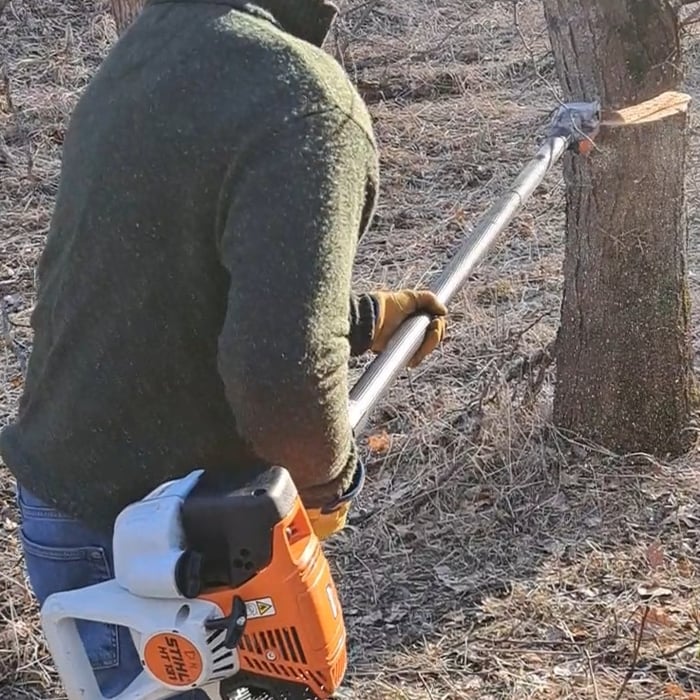
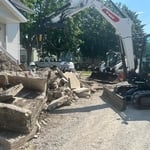
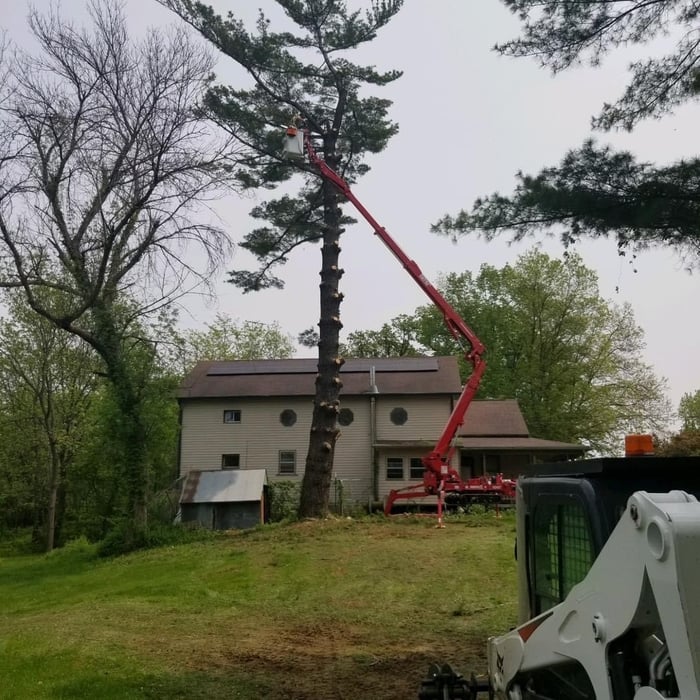
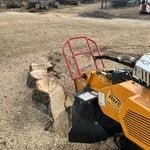
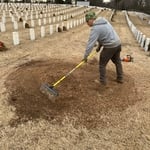
"The Exceptional Edge technicians were very professional and meticulous how maneuvered around to trim my shade tree. I was very impressed how they removed the stump and all the tree limbs without tearing up my yard. Their service was excellent and they have the latest equipment technology."
Additional Photos
Additional Photos
Additional Photos
Additional Photos
Additional Photos

+10

7 neighbors recently requested a quote

Recommended by100%of homeowners
Avatar for Ground Line Company, LLC
Ground Line Company, LLC
5.0(
3
)
Tree Removal

Serving Mount Vernon, IA and surrounding areas

Approved

In business since 2024

Free estimates

"I highly recommend Ground Line Company for any excavation or utility prep work. I’ve partnered with them on multiple jobs, and their attention to detail is top-tier. They are precise with their depths and layouts, which is critical for electrical inspections and code compliance."
Tree Clearing
Tree Clearing
Tree Clearing
Grading
Response time6 hrs
Response rate100%
4 neighbors recently requested a quote

Avatar for Evan
Evan
New to Angi
Tree TrimmingTree Trimming - For Business

Serving Mount Vernon, IA and surrounding areas

Approved

Free estimates

Emergency services offered

Small jobs welcome

ELGIN PROPERTY SOLUTIONS\n\nWe have the tools and skills to do multiple indoor/outdoor projects including but not limited to pouring concrete, demolition, reconstruction, repair, welding, clean up, stump grinding, painting, assembling, indoor tasks and much more. No job is to big or to small.\nCall/Text me at 5six3-six08-3one34 \n\n-Fast and efficient \n-Quick response time\n-Equipment needed\n-Employees\n-Honest\n-Professional manner\n-Day or night\n-Free quote

10 neighbors recently requested a quote
...
Showing 1-10 of 83
Arborists questions, answered by experts

Trees aren't big fans of moving, and they do go into shock during a transplant. Although most carefully thought-out tree transplants see the tree recover from the shock just fine, there is always a risk of having an unsuccessful move. Proper preparation, timing, and diligent aftercare are crucial to minimize the risks when transplanting a tree.

We don’t recommend DIY tree trimming for a few different reasons. First, the tools required to trim a tree can be costly, up to $1,100 or more, for the ladders and specialized saws needed. 

Safety is another concern, especially when working with more mature trees. As a guideline, you should only DIY tree trimming when branches are less than two inches in diameter. Any more, and the safety risk becomes too high, which could lead to catastrophe. For this job, it’s safest to let a tree-trimming professional assess the work needed.

You can find pruning paints and sealants for trees, but you shouldn’t use them on a topped tree. Coatings like these often inhibit the tree’s healing process. An important exception is if there are dangerous fungi nearby that the tree is particularly vulnerable to, like oaks and oak wilt. Sealing cuts can help prevent fungi from taking root.

Aside from removing dead or diseased branches, you should prune your trees somewhere between every one and three years. Some people—particularly commercial farmers—prune their apple trees yearly to produce higher yields. This is the best way to promote tree health. That said, the average homeowner can get away with hard-pruning their mature apple tree every other year or every three years. 

Palm trees are unique in that their roots don't grow straight down; they grow horizontally. Typically, palm tree roots go down between 12 and 36 inches deep. The roots grow far and wide from the base of the palm tree to absorb as much water and soil nutrients as possible. In addition, the horizontal roots are also very strong—keeping palm trees stable and helping them sway during storms.

The Mount Vernon, IA homeowners’ guide to arboricultural services

From average costs to expert advice, get all the answers you need to get your job done.