





Top-rated landscapers.

Get matched with top landscapers in Robins, IA

Enter your zip and get matched with up to 5 pros

Need a pro for your landscaping project in Robins, IA?

Select your specific project to find the pro for you.

TRUSTED BY ROBINS, IA HOMEOWNERS

  • Average homeowner rating star icon4.2
    Average homeowner rating
  • Verified reviews icon103
    Verified landscaping services reviews

Find Landscapers in Robins

JDM Concrete, LLC
3.1(
54
)
Retaining Wall - Install

Serving Robins, IA and surrounding areas

Approved

In business since 2011

Free estimates

Customers say: True professional

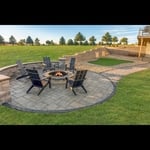
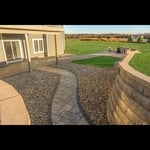
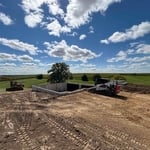
"JDM is one of the best contractors I've ever worked with. They are my go to for all concrete works and I've used their services extensively. A 70'L x 12' tall 2'thick Keystone retaining wall with 2 bends, footings, a 100' sidewalk curb, 1200 sq feet of crushed stone leveling and ground prep. Thousands of sq feet of landscape grading. They've been been spot on every time. For example, the retaining wall, has both low point drainage and face drains, with stepped geogrid tiebacks. This is how a proper retaining wall is done. They even trimmed the geogrid fabric around the blocks 100% pro grade retaining wall. Get complimented on it by other contractors all the time. Footings were 2'round and 1'round dug 4' deep, well below frostline, positioned right on center for steel posts. Ironworker gave a "dang, these footings are dead nuts". The concrete walk had 2 vectors of fall, 2% linear fall and 1% lateral. There are relief scores every 6' and its edges properly shaped against chipping. Obviously mother nature doesn't play nice and poured concrete does its thing, so I bet I could bust out my micrometer and laser level and find some +-% somewhere, or some place where concrete leaked through forms. Its real life and poured material doesn't always obey. I read some bad reviews here and I must say, am surprised. If you communicate to Danelle and Melvin what you want done EXACTLY they will get it done to your speciifications as close as anyone I've worked with. Danelle shows up on time to do the estimates, bids are quick and fair, and the invoice has always been at or below bid. Melvin is a top tier foreman. Asks what you want before every job. He does exactly what you say, so some of the negative reviews could probably have been more thorough with their instructions. Specify depth, degree of fall, give them the architectural prints. You will get what you want. If you want precise results, give precise instructions, and JDM gives me the results I want every time, bar none. I'll build my retirement home on their concrete."
Recommended by82%of homeowners
...
Showing 1-10 of 193
Landscaping questions, answered by experts

The truth is, there really is no such thing as a 100% deer-proof plant. Deer will decimate even the prickliest flora if they’re hungry enough. However, there are plenty of beautiful plants that deer don’t necessarily enjoy. These include thistles, wisteria vines, sword ferns, and beautyberries.

Deer are herbivores, and they love vegetable gardens as much as Peter Rabbit. If you don’t want to fence in your entire property, consider creating an attractive raised-bed veggie garden with mesh fencing around it to keep out deer and other critters.

It depends. Smaller, younger trees take longer to mature, but they're more resilient, their roots don't get as damaged during transplanting, and they recover faster. Plus, they're much more affordable to plant, and it's possible to DIY the planting. 

On the other hand, mature trees produce fruit faster and provide more shade and privacy immediately. Ideally, a small or medium tree is the better choice if you can wait a few years for it to mature. But if you need immediate maturity, a larger tree is the only option.

There are some instances when you can use extra drywall in your garden. Ideally, unused scraps of new drywall are best for amending soil without the concern of additional chemicals or mold. However, drywall with paint, mold, or potential asbestos requires specialized disposal by a professional and should be kept out of your garden.

As with anything you do near your foundation, you’ll want to ensure proper drainage when you plant your foundation beds. Your drainage should run downhill from the highest point against your foundation to avoid water intrusion and incurring expensive foundation repair costs.

Most experts recommend a quarter-inch layer of compost for best results, and you will need about .77 cubic yards of material per 1,000 square feet. To measure how much compost to use, take the square footage of your yard and multiply it by .77, then divide that number by 1,000.

The Robins, IA homeowners’ guide to landscaping services

From average costs to expert advice, get all the answers you need to get your job done.