

Top-rated ceramic tile pros.

Get matched with top ceramic tile pros in Redfield, IA

Enter your zip and get matched with up to 5 pros

Need a pro for your ceramic tile service project in Redfield, IA?

Select your specific project to find the pro for you.

TRUSTED BY REDFIELD, IA HOMEOWNERS

  • Average homeowner rating star icon4.2
    Average homeowner rating
  • Verified reviews icon11
    Verified ceramic tile services reviews

Find Ceramic tile pros in Redfield

Avatar for NKCarpentry LLC
NKCarpentry LLC
5.0(
3
)

Serving Redfield, IA and surrounding areas

Approved

In business since 2021

Free estimates

Emergency services offered

"Wow, what a great experience I had with Nathan with NK Carpentry yesterday afternoon! He arrived early to power wash 7 large outdoor Polywood pieces of furniture and an outdoor rug that were heavily covered with nicotine stains. He is very professional, yet friendly and approachable. He verified what I wanted done and got right to work. He finished in just a little over 2 hours and got about 99% of the stains off of all of the furniture…they look brand new! And then he wound up the hose and hung it back up; laid out the furniture pieces in the sun so they’d dry and made sure I was satisfied with his work before I paid him with a check, shook hands and said goodbye. I’d hire him in a minute to do other work! He’s a young, very hard worker; efficient; cleans up when he’s finished with the job; had a very fair price and is determined to be a quality, successful businessman! I was extremely impressed!"
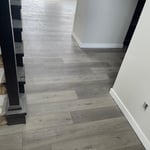
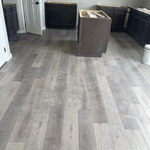
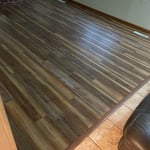
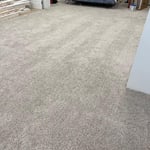
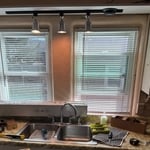
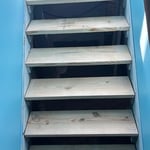
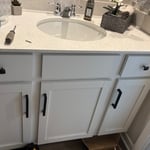
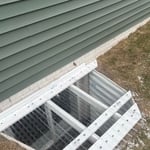
Project Photos
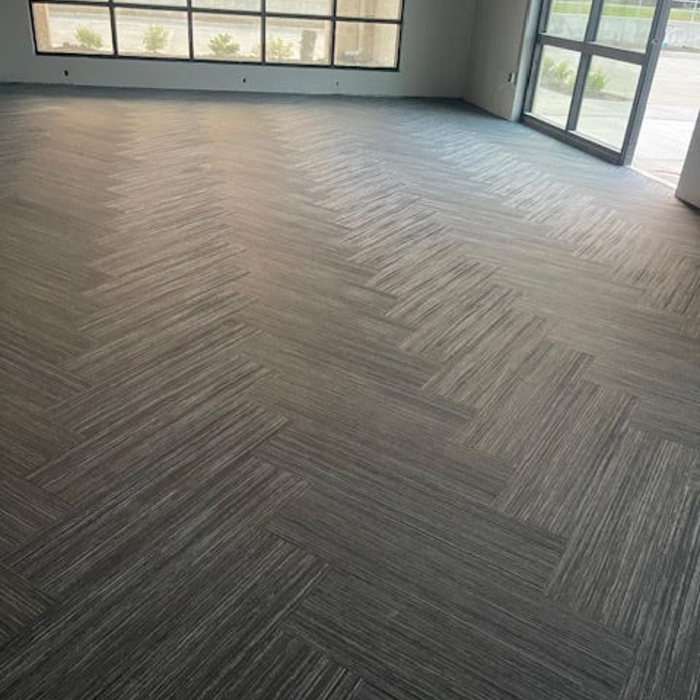
Flooring remodel
Just finished kitchen clean up time
Flooring remodel
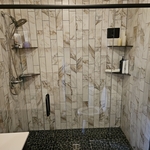
Flooring remodel

+3

19 neighbors recently requested a quote
...
Showing 1-10 of 61
Ceramic Tile questions, answered by experts

When choosing tiles for a shower floor, avoid highly porous tile materials, like those with a water absorption rating over 7%. Don’t use non-vitreous tiles, or tiles fired at low temperatures, because they will absorb more water. If you use a highly porous tile in the shower, the tiles can wear down faster, meaning they’ll need to be replaced much sooner.

The grout shade you choose comes down to personal taste and preference. A darker grout will give you a more dramatic and noticeable contrast with the tile around it; however, lighter grout helps create a more uniform look when blending the colors together. Additionally, a darker grout combined with a patterned tile could be overwhelming to the eye, while lighter grout makes the pattern stand out as the main focus.

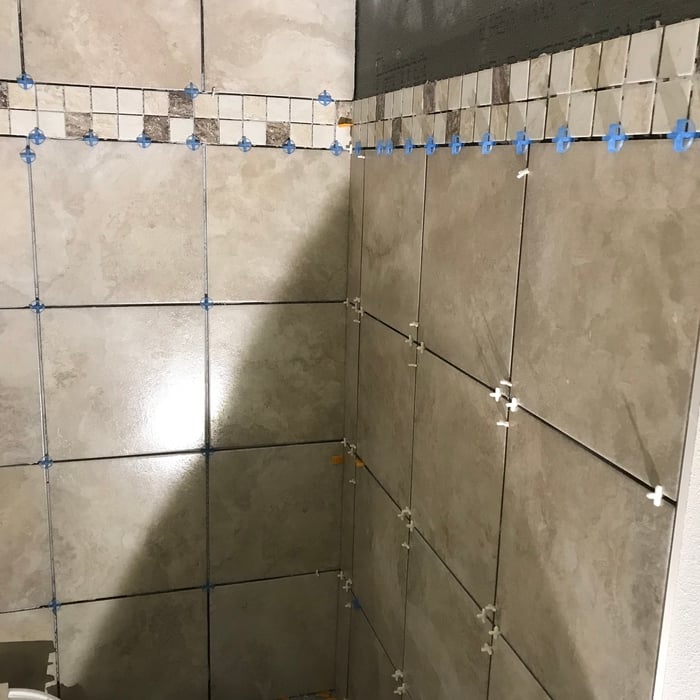
Uniform spacing between tiles is important for a professional and clean appearance. To achieve this spacing, tile spacers should be placed between the tiles and left in place until the mortar hardens and the tiles are secure. You can use X-shaped spacers vertically in between the tiles and laid flat at the corners.

When choosing between porcelain and ceramic tile, the best option depends on your specific needs, budget, and project application. Porcelain tile is generally more durable, denser, and harder than ceramic, making it a good choice for busy, high-traffic areas. It also offers superior moisture resistance, making it ideal for moisture-retaining spaces. However, porcelain is typically more expensive, and its hardness can make it brittle, potentially causing it to crack if a heavy object is dropped on it. In contrast, ceramic tile is a more budget-friendly option with lower material and installation costs. It is softer and easier to work with, making it a great choice for DIY projects. While not as durable as porcelain, ceramic is still a quality material suitable for many home applications, particularly small, decorative projects.

Porcelain is a relatively affordable, mid-range countertop material. It typically costs between $50 to $70 per square foot.

Compared to quartz, porcelain is slightly more affordable, as quartz generally ranges from $50 to $200 per square foot. However, lower-quality, builder's grade quartz can be similar in price to porcelain.

Compared to granite, the price can be similar, depending on the quality of the stone. While granite slabs can range from $50 to $200 per square foot, you can find lower-end granite in the same price range as porcelain. High-end granites will cost significantly more.

Porcelain is generally more expensive than laminate, acrylic, and ceramic, but less expensive than high-end slate, concrete, and marble. A key benefit is that porcelain does not require sealing, which reduces long-term maintenance costs.

The Redfield, IA homeowners’ guide to ceramic tile services

From average costs to expert advice, get all the answers you need to get your job done.