





Top-rated ceramic tile pros.

Get matched with top ceramic tile pros in Saylorville, IA

Enter your zip and get matched with up to 5 pros

Need a pro for your ceramic tile service project in Saylorville, IA?

Select your specific project to find the pro for you.

TRUSTED BY SAYLORVILLE, IA HOMEOWNERS

  • Average homeowner rating star icon4.2
    Average homeowner rating
  • Verified reviews icon17
    Verified ceramic tile services reviews

Find Ceramic tile pros in Saylorville

Avatar for J Ford Construction LLC
J Ford Construction LLC
5.0(
14
)
Tile: Ceramic and Porcelain - Install

Serving Saylorville, IA and surrounding areas

Approved

Super Service Award Winner

In business since 2022

Free estimates

Warranties offered

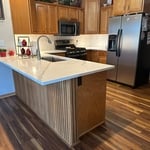
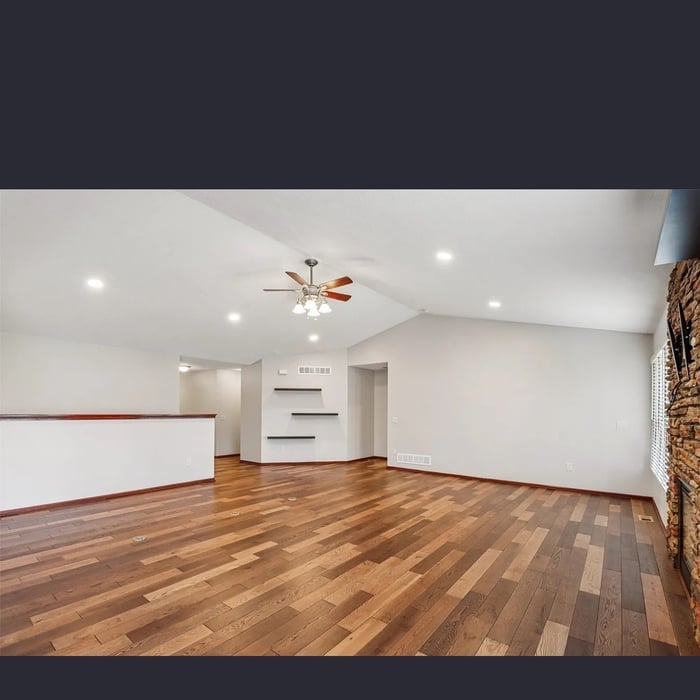
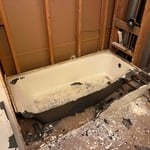
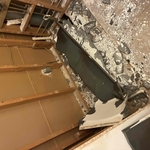
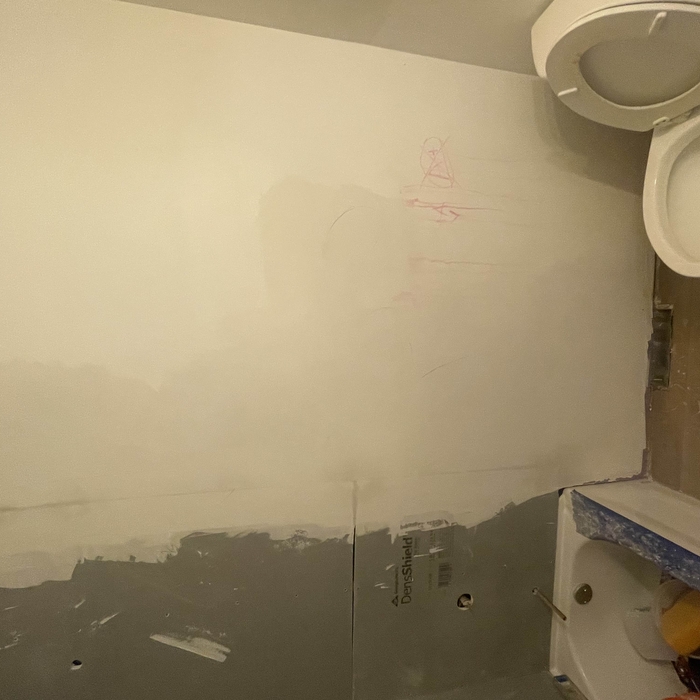
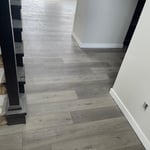
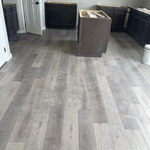
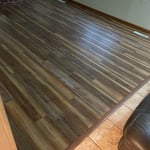
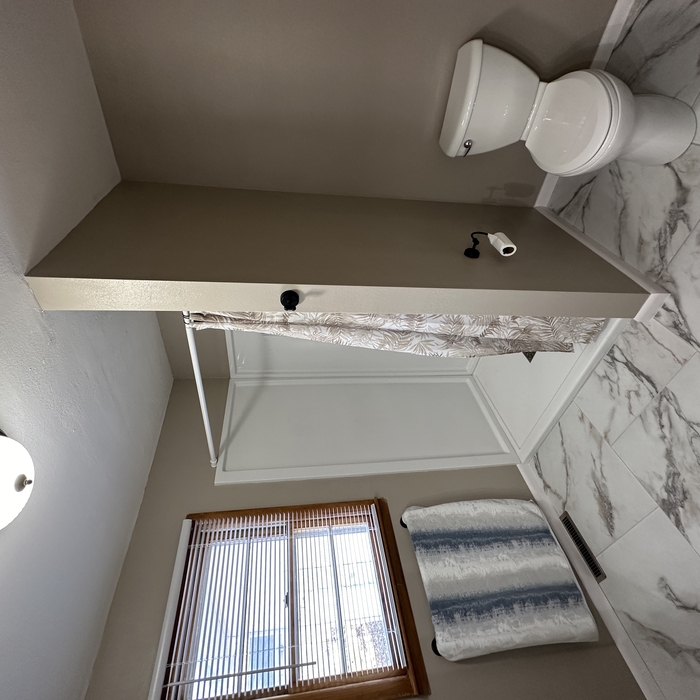
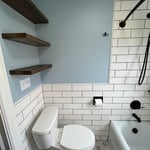
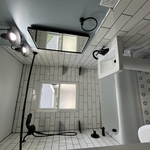
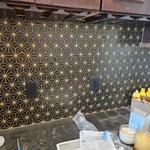
"About the job: KITCHEN: Remove bulkhead, fix drywall, retexture & paint ceiling, install new light, paint, refurbish existing cupboards, build new cupboard above refrigerator, install new faucet, disposal, and dishwasher, new backsplash, new counters, new flooring. BATHROOM: Remove old tile, and install new tile. Mr. Ford is a skilled craftsman who takes pride in his work. From the estimate, to the final payment, he impressed me with his professionalism. He was here when he said he would be, and has the tools necessary to do the job right. Jonathan is very knowledgeable about his trade, making suggestions that elevated my original ideas. He was courteous, friendly, and conscientious about his work. He took the time to clean up the worksite daily. Jonathan does excellent work! He treated me fairly, was flexible, and stayed within my budget. I never felt pressured to upgrade. He was a pleasure to work with, and I have already spoken to him about completing my next project."
Remodeling - Kitchen & Bathroom Project
Countertops, Flooring and Fireplace Makeover
Ankeny Bathroom Remodel
Kitchen Update
New Siding

+63

Recommended by21%of homeowners

...
Showing 1-10 of 131
Ceramic Tile questions, answered by experts

Yes, it’s always a good idea to keep a box or two of spare tiles after a home renovation project. Tiles can crack from improper installation, heavy foot traffic, and impact from drops. Having some extra tile on hand can make replacement fast, easy, and affordable. Plus, some manufacturers might discontinue particular colors or styles, and slight variations in tile colors between batches could mean mismatched tiles even if your product isn’t discontinued. Having a few spare tiles in storage can help avoid these issues, as well.

When choosing between porcelain and ceramic tile, the best option depends on your specific needs, budget, and project application. Porcelain tile is generally more durable, denser, and harder than ceramic, making it a good choice for busy, high-traffic areas. It also offers superior moisture resistance, making it ideal for moisture-retaining spaces. However, porcelain is typically more expensive, and its hardness can make it brittle, potentially causing it to crack if a heavy object is dropped on it. In contrast, ceramic tile is a more budget-friendly option with lower material and installation costs. It is softer and easier to work with, making it a great choice for DIY projects. While not as durable as porcelain, ceramic is still a quality material suitable for many home applications, particularly small, decorative projects.

No, tiling over painted walls or wallpapered surfaces is generally not recommended. Textured surfaces and paints will affect the adhesive, possibly causing tiles to lift or fall off. Painted walls with a semi-gloss or high-gloss finish are particularly difficult for adding tiles. It’s wise to strip the paint first if you install the tiles to drywall, although it’s still best to opt for a cement backer board.

Granite countertops cost an average of $3,250 compared to $2,250 for tile countertops. Granite is also harder to DIY than tile, given its weight and bulk, which increases the overall labor cost of installation. Over time, both types of countertops may need sealing to remain resistant to water, heat, and other common kitchen elements.

The tile spacing you should use will depend on the tile and where you’re installing it. Choosing the right tile spacers to maintain a consistent gap between your tiles is tricky. Generally, tile spacing shouldn’t be less than 2 millimeters on walls and 3 millimeters on floors because of stress relief requirements. Getting it wrong can result in uneven tiles and early repairs.

The Saylorville, IA homeowners’ guide to ceramic tile services

From average costs to expert advice, get all the answers you need to get your job done.