




Top-rated ceramic tile pros.

Get matched with top ceramic tile pros in De Soto, IA

Enter your zip and get matched with up to 5 pros

Need a pro for your ceramic tile service project in De Soto, IA?

Select your specific project to find the pro for you.

TRUSTED BY DE SOTO, IA HOMEOWNERS

  • Average homeowner rating star icon4.5
    Average homeowner rating
  • Verified reviews icon25
    Verified ceramic tile services reviews

Find Ceramic tile pros in De Soto

Scott's Flooring
4.9(
176
)
Tile: Ceramic and Porcelain - RepairTile: Ceramic and Porcelain - Repair- For Business

Serving De Soto, IA and surrounding areas

Approved

In business since 2009

Free estimates

Emergency services offered

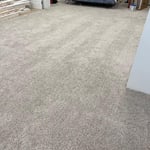
"Brian was awesome to work with. He stepped in and corrected a new carpet installation that was poorly done. Friendly, professional, timely, and fairly priced. What more could you ask for? Will definitely hire for our next carpet install."
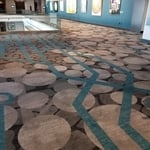
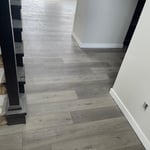
Hallway
Hallway
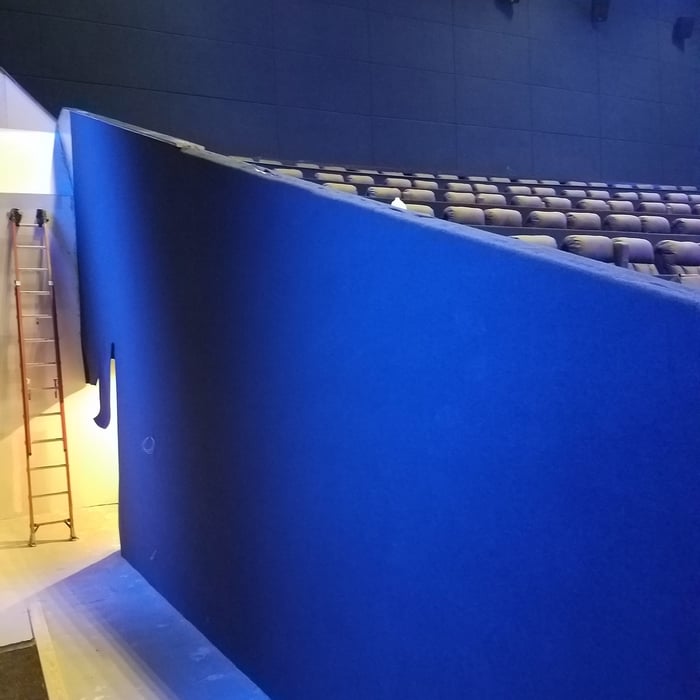
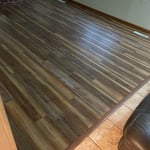
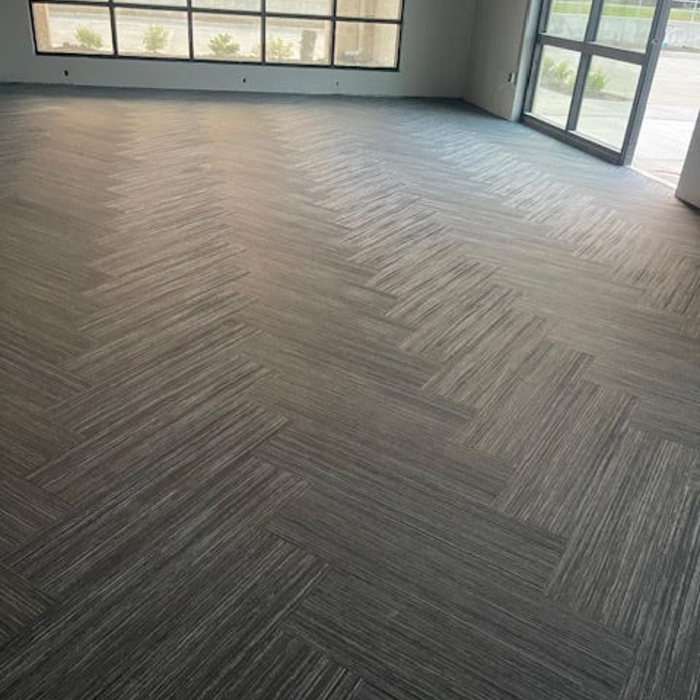
Waukee Theather
Waukee Theather
Waukee Theather

+29

Response time2 days
20 neighbors recently requested a quote
Recommended by92%of homeowners

Avatar for Renewal Home Services
Renewal Home Services
4.9(
18
)
Tile: Ceramic and Porcelain - Install

Serving De Soto, IA and surrounding areas

Approved

In business since 2025

Free estimates

Credit card accepted

"Renewal Home Services did an excellent job replacing my LVP! They walked me through the whole process and answered all my questions. AND they got the job done all in one day. They did a wonderful job and are very responsive. Would recommend working with them!"
Project Photos
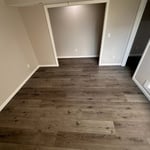
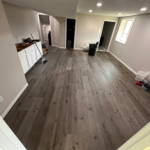
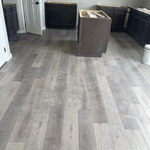
Basement flooring
Basement flooring
2 neighbors recently requested a quote
...
Showing 1-10 of 73
Ceramic Tile questions, answered by experts

The average cost for tile installation is about $2,000, with a typical price range between $500 and $6,500. On a per-square-foot basis, you can expect to pay between $5 and $45 for installation.

Several factors influence the total cost, including:

  • Installation Site: Costs vary for different areas. Common project costs are: kitchen floor ($870–$6,100), countertop or backsplash ($500–$3,000), bathroom floor ($300–$2,400), or shower wall ($225–$2,000).

  • Tile Type and Quality: The material significantly impacts price. For example, standard ceramic or travertine tile can cost about $1 per square foot, while luxury options like marble can be as much as $350 per square foot for the material alone.

  • Project Size and Complexity: The total square footage, the complexity of the pattern, and the shape of the tile (e.g., square, rectangle, hexagon, mosaic) will affect labor and material costs.

  • Site Preparation: The amount of prep work needed, such as removing old tile or installing a new subfloor or backer board, can add to the final price.

  • Tile Characteristics: The tile's durability rating and porosity can also influence the price.

  • Location: Labor rates vary by geographic location.

You can technically install tile over tile, but we don’t suggest it. Installing tile over any surface that isn’t a completely flat and prepared subfloor will result in a shoddy overall job, uneven flooring, tiles that don’t adhere, extra weight, gaps, cracks, and room for moisture and dirt to enter. For the best results, only install new tile on a flat, sanded surface like subflooring or concrete that is prepared for tile.

If you have asbestos tile and would rather tile over it than remove it, or if your existing tile is completely flat and bonded tightly to the floor, you may be able to tile over existing tile. But experts recommend thinking twice before you do.

Larger tiles can be difficult to install because they’re heavier and bulkier than their smaller counterparts, which makes them harder to haul around and put in place. Plus, if you don’t install the tiles correctly, they could crack or break. For these reasons, it’s best to hire a professional for large-format tile installation.

You can lay tile directly on a plywood countertop, but if it’s a high-traffic surface in a kitchen, it’s better to add a moisture-resistant base. Plywood is susceptible to moisture, so if dampness seeps through from the surface around the sink or where you prep food, it can cause the plywood to warp, leading to grout damage, cracked tiles, or mold growth under the surface. 

It’s easiest to start from an edge as it gives you a straight line. A problem may arise if your edge doesn’t line up perfectly, in which case it’s best to start from the center. Some think that starting tile from the center adds a focal point in the center of the hearth. 

The De Soto, IA homeowners’ guide to ceramic tile services

From average costs to expert advice, get all the answers you need to get your job done.