


Top-rated arborists.

Get matched with top arborists in Newton, IA

Enter your zip and get matched with up to 5 pros

Need a pro for your arboricultural service project in Newton, IA?

Select your specific project to find the pro for you.

TRUSTED BY NEWTON, IA HOMEOWNERS

  • Average homeowner rating star icon4.5
    Average homeowner rating
  • Verified reviews icon64
    Verified arboricultural services reviews

Find Arborists in Newton

Avatar for CleanScape Solutions
CleanScape Solutions
4.8(
58
)
Tree TrimmingTree RemovalTree Removal - For Business+1 more

Serving Newton, IA and surrounding areas

Approved

In business since 2018

Free estimates

Emergency services offered

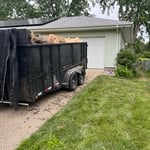
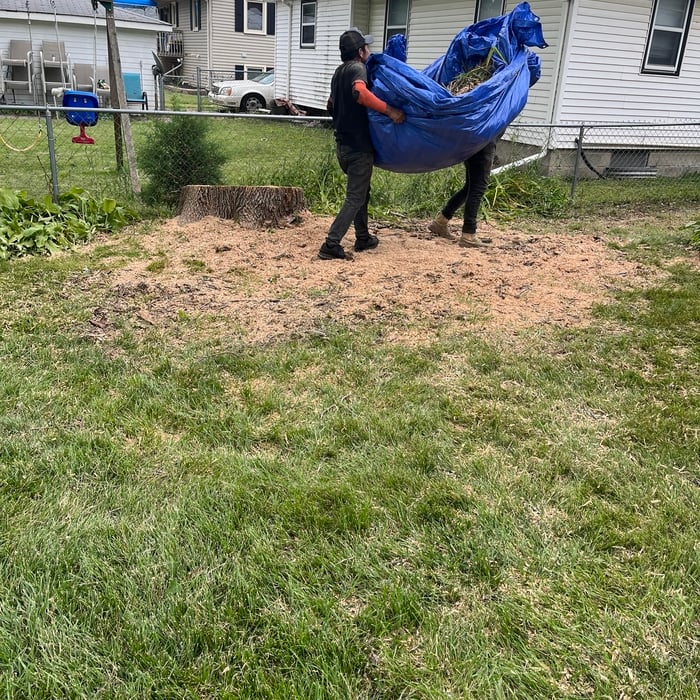
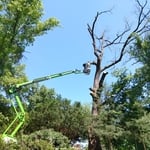
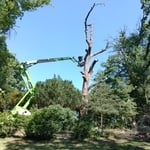
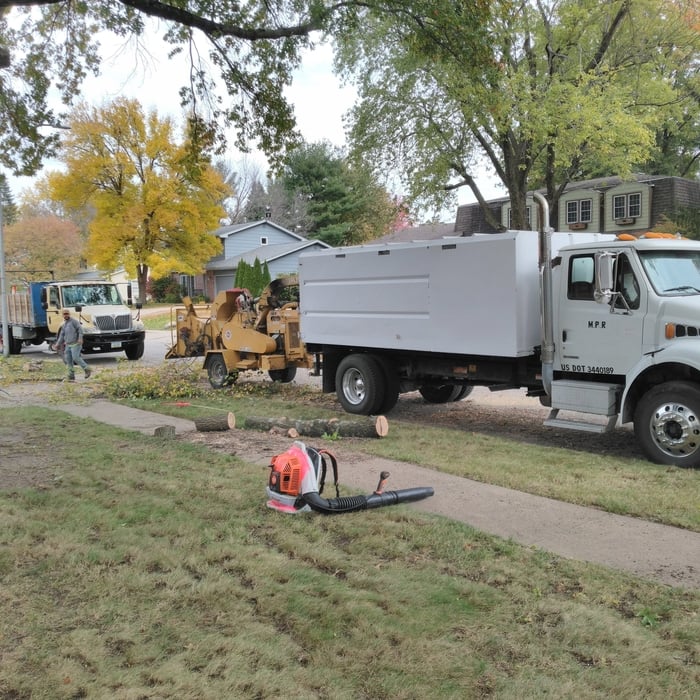
"They did an awesome job taking out some random trees that had grown up in my yard and trimmed lower branches off a huge pine. They cleaned up the whole area so nicely and it looks amazing !!! Fair price and friendly. Came same day!! Will hire them to trim my other seven trees."
Tree Trimming
Tree Trimming
Tree Removal
Tree Removal
Tree Removal

+5

Response time4 hrs
Response rate96%
35 neighbors recently requested a quote
...
Showing 1-10 of 73
Arborists questions, answered by experts

No, you cannot plant a tree above a gas line. Tree roots grow and spread over time and can sometimes dent, crack, or penetrate a gas line. Those same roots may also cause accessibility problems for maintenance or repairs. You can generally plant vegetation with non-invasive root systems, low-growing vegetation, and flower beds near gas lines. 

Homeowners are usually not responsible for trees that fall on power lines. Power companies usually have utility easements around power lines, which give them the responsibility to maintain any trees within about 15 to 20 feet of the lines.

The best tool to cut trees is a chain saw. You can adjust your chain saw to the correct size based on the size of the branches, offering you the fastest and cleanest cut for medium- to large-sized trees. Depending on the type of chainsaw you use, you can cut through larger trees than you would with a more manual tool like an ax.

If it’s only a smaller branch that has died and you’re keeping an eye on the tree, it’s probably nothing to worry about. But if other nearby branches start dying off as well, or a very large branch dies, then you likely have a bigger problem. It’s time to watch for diseases and other problems and possibly get professional guidance on how to proceed.

The exact answer to this question depends on which region of the country you’re talking about, but according to various tree counts, some of the most common types of trees in the United States include red maple, Douglas fir, quaking aspen, loblolly pine, and sweetgum.

The Newton, IA homeowners’ guide to arboricultural services

From average costs to expert advice, get all the answers you need to get your job done.