



Top-rated arborists.

Best arborists near Pella, IA

Enter your zip and get matched with up to 5 pros

Need a pro for your arboricultural service project in Pella, IA?

Select your specific project to find the pro for you.

TRUSTED BY PELLA, IA HOMEOWNERS

  • Average homeowner rating star icon4.4
    Average homeowner rating
  • Verified reviews icon31
    Verified arboricultural services reviews

Top-Rated Arborists in Pella - Updated Nov 2026

Avatar for Des Moines Area Roofing
Des Moines Area Roofing
4.8(
275
)
Tree RemovalTree Removal - For BusinessTree Stump - Remove+5 more

Serving Pella, IA and surrounding areas

In business since 2008

Free estimates

Emergency services offered

"Des Moines Area Roofing was professional, trustworthy, and demonstrated excellent attention to detail from initial contact to job completion. Cleanup was so thorough that the next day you wouldn't even know that such a major project had taken place. It has been 2 weeks since the new roofs and we haven't seen even one stray nail left behind (and they did a complete tear down to both buildings, right down to the wood). An excellent company with which to do business. I offer my highest possible recommendation."
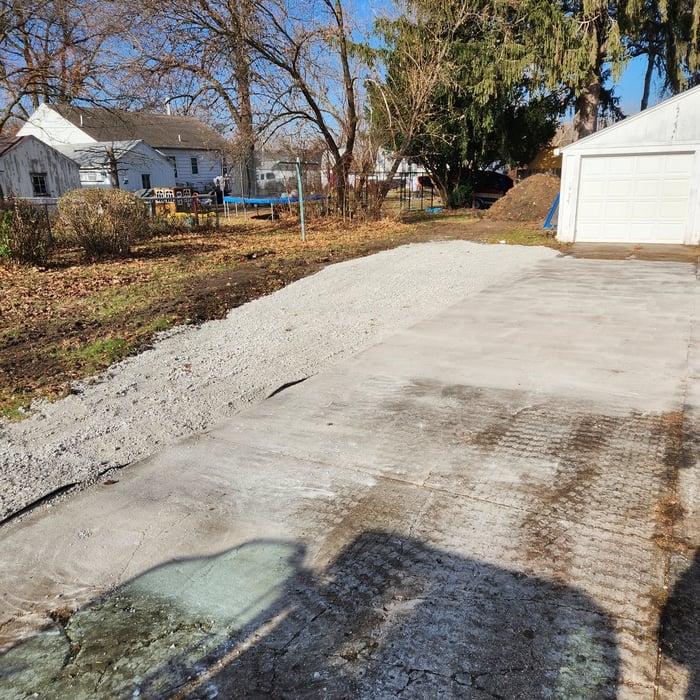
Additional Photos
Additional Photos
Additional Photos
Recommended by99%of homeowners

Avatar for Tom’s tree service residential
Tom’s tree service residential
4.5(
12
)
Tree RemovalTree Removal - For BusinessTree Stump - Remove+5 more

Serving Pella, IA and surrounding areas

Free estimates

"Tom’s Tree Service is amazing! Insanely quick turnaround time, excellent customer service, exceeds expectations, and has the equipment needed to get the job done, no matter how big or small! Tom Birchmier has a crew that knows what to do, and I’d highly recommend them to anyone! ?"
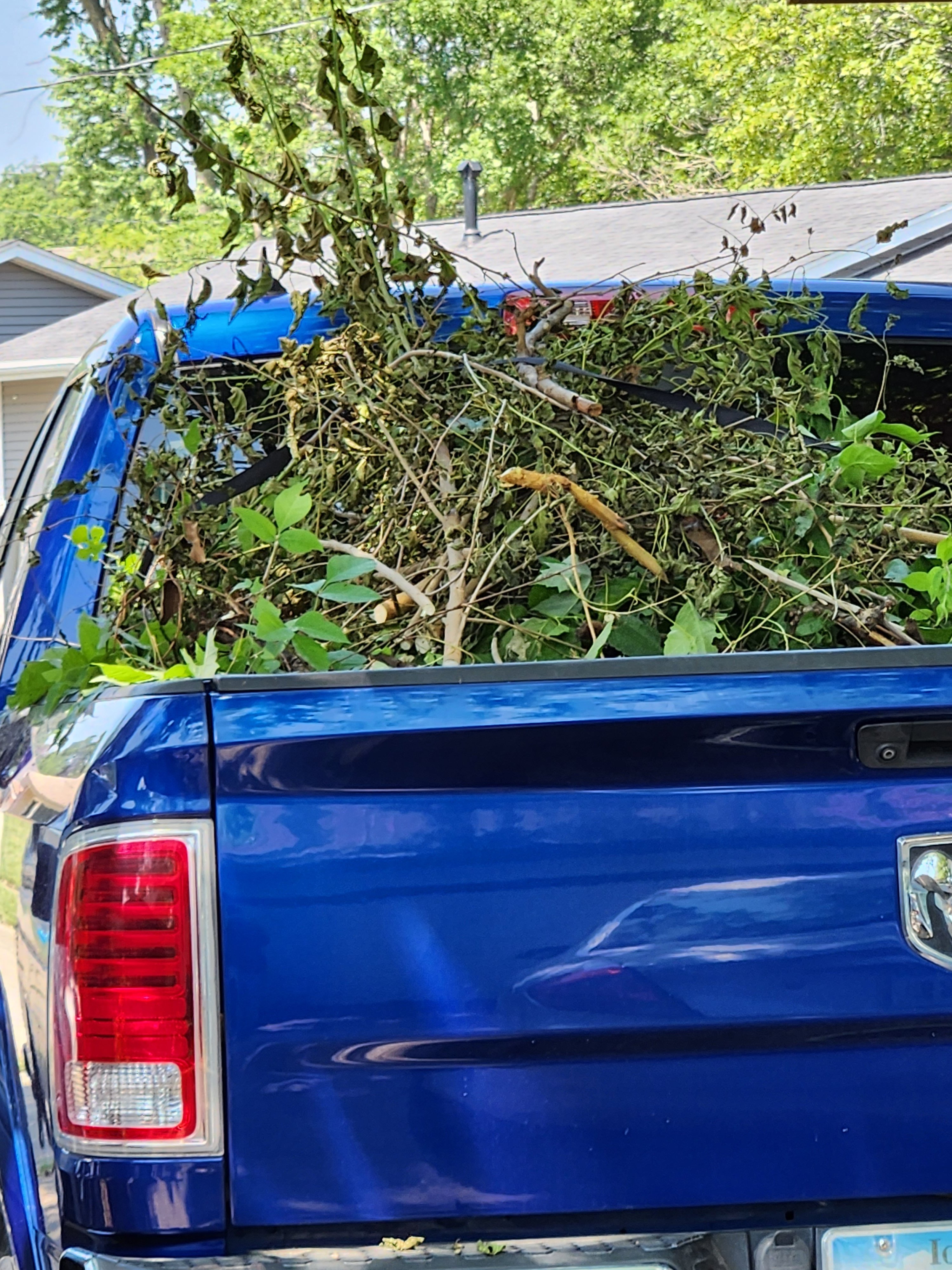
Additional Photos
Additional Photos
Additional Photos
Additional Photos
Additional Photos

+1

Recommended by88%of homeowners
...
Showing 1-10 of 63
Arborists FAQs, answered by experts

There are several methods to hollow out a tree stump, and the best one depends on your tools, experience, and priorities. Common methods include using a chisel and hammer, a chainsaw, or burning.

  • Chisel and Hammer: This is often considered the easiest approach for those with limited tools or experience, though it is the most time-consuming.

  • Chainsaw: Using a chainsaw is the fastest method, but it comes with significant safety risks, especially for inexperienced users.

  • Burning: This can be an effective method, but it is not recommended unless you can first drill holes into the stump. Without holes, the stump will be difficult to light and may not burn completely through.

A power drill with at least a ⅜-inch diameter bit can make the job quicker and easier, regardless of the primary method. While you can use a chisel or chainsaw without a drill, it will require more time and effort. Always wear protective goggles and thick gloves, as splinters are an inevitable risk.

Burning a tree stump can be effective, but it comes with safety considerations and isn’t always best for every situation. It's essential to check local regulations and assess the safety risks involved. Stumps that are near wooden structures or other non-moveable flammable objects aren’t good candidates for burning due to the risk of the fire spreading. Alternatives like grinding or a DIY stump rotting project might be safer and quicker for getting the job done.

Bleach can potentially kill some types of delicate ornamental trees, but for the most part, it will only kill the foliage it comes in contact with. Applying bleach is not an effective method of killing a tree. A better option is to use an herbicide, which is a chemical compound designed to effectively kill a tree. 

In most ways, palm trees are incredibly low-maintenance. They don’t need a ton of water—which is why they’re so beloved in desert regions—and they basically prune themselves. But they do need an ample supply of sunlight and to be in soil that will allow for proper drainage so that their roots don’t become waterlogged and at risk of developing illnesses.

If the plant begins to wilt, develop spots, or change color, these could all be signs that your palm tree has a disease. But a few basic treatments, like pruning and applying fungicide, will usually be more than enough to return it to perfect health.

You should not trim an oak tree in the summer. Oak trees are especially susceptible to disease, and open tree wounds are an invitation for beetles that carry tree-killing fungus. If there’s no risk that the oak tree will do damage to your property or hurt someone, it’s best to save the trimming for fall or winter. If you can, seal the wound with latex to prevent fungus from getting inside.

The Pella, IA homeowners’ guide to arboricultural services

From average costs to expert advice, get all the answers you need to get your job done.