



Top-rated tree service pros.

Best tree service pros near Nashua, IA

Enter your zip and get matched with up to 5 pros

Need a pro for your tree service project in Nashua, IA?

Select your specific project to find the pro for you.

TRUSTED BY NASHUA, IA HOMEOWNERS

  • Average homeowner rating star icon4.8
    Average homeowner rating
  • Verified reviews icon18
    Verified tree services reviews

Top-Rated Tree service pros in Nashua - Updated Nov 2026

North Iowa Tree Service
5.0(
8
)
Tree RemovalTree Removal - For BusinessTree Stump - Remove+2 more

Serving Nashua, IA and surrounding areas

In business since 2023

Free estimates

Emergency services offered

"Mike responded promptly to a request for an estimate about removal of 2-3 trees and stump removal. His estimate was extremely reasonable and completed the job within the timeframe he quoted me. He did a very nice job and left the areas clean and leveled. I would highly recommend their service."
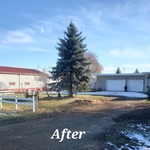
BEFORE
AFTER
ON THE GROUND!!
Response time5 hrs
Recommended by75%of homeowners
CarpenterPlus
4.8(
8
)
Tree RemovalTree Removal - For BusinessTree Stump - Remove - For Business+2 more

Serving Nashua, IA and surrounding areas

In business since 2010

Free estimates

Emergency services offered

"Zachary and his crew did an awesome job getting rid of our two ash trees. They showed up right away and got right to the project. They didn't waste any time getting it done! They cleaned everything up and hauled it away, left no mess! I would highly recommend Zach and his crew! Great group of people!!"
Response time3 days
Recommended by85%of homeowners
C & S Tree Services
4.5(
1
)
Tree TrimmingTree Trimming - For BusinessTrees & Shrubs - Treat, Protect and Maintain+1 more

Serving Nashua, IA and surrounding areas

In business since 2016

Free estimates

Welcome to C & S Tree Service! We take pride in the quality of work and customer satisfaction that we give each and every customer! We are known to pay exquisite attention to detail while making customer satisfaction our top priority. Call us today to learn more about how we can help you! \n \n

Recommended by100%of homeowners
Showing 1-10 of 24
Tree Service FAQs, answered by experts

After a big storm, you may not be sure if a tree was struck or not. Look for the telltale long scars, like strips or gouges in the bark of the tree, running in sometimes jagged lines down the length of the trunk. These scars will often show vulnerable living wood inside the tree. It’s also common to see scorched or wilted leaves on the side or top of the tree where lightning struck.

While trees can grow in the curb strip between the sidewalk and the street, this placement often poses the problem of interfering with overhead power lines. It’s best to consult your local utility provider and tree planting service before transplanting a tree that might grow into power lines. Also, you should never work within 20 feet of a live power line to avoid the risk of electric shock. Tree branches should never touch nearby power lines, so it’s essential to ensure your tree isn’t in danger of growing too close to them.

No, you cannot plant a tree above a gas line. Tree roots grow and spread over time and can sometimes dent, crack, or penetrate a gas line. Those same roots may also cause accessibility problems for maintenance or repairs. You can generally plant vegetation with non-invasive root systems, low-growing vegetation, and flower beds near gas lines. 

Whether you grind or dig up and remove your tree stump depends on your landscaping goals. Using a stump grinder leaves the root system in place for it to decompose over time, whereas digging up the tree stump removes the roots and the stump. Overall, stump grinding is a far simpler process since you won’t need to deal with the roots. Stump removal will make your yard look like a demolition site, but you’ll have an easier time replanting in the same place as your former tree.

Completely topping a plum tree is a risky business. Cut too much, and you’ll kill your tree. That said, you do need to trim the top of your tree to encourage bushy growth, maintain your tree’s vase shape, and limit size. 

A plum tree's central leader (or trunk) should never extend more than 3 feet above the highest branch. When you first plant your tree, cut the central leader so it’s 2 to 3 feet tall. As it grows, cut it back 12 to 20 inches until it reaches its desired height. Never prune more than one-third of the new growth.

The Nashua, IA homeowners’ guide to tree services

From average costs to expert advice, get all the answers you need to get your job done.