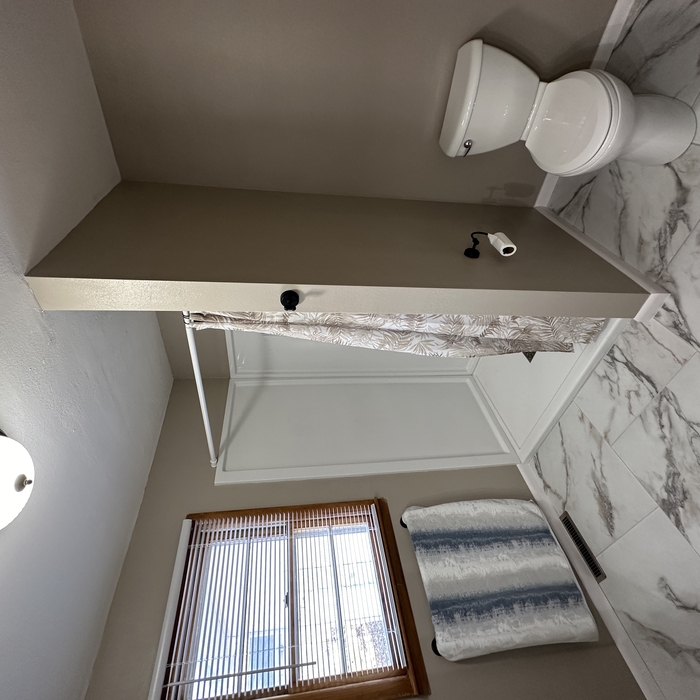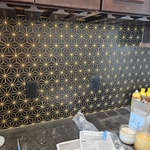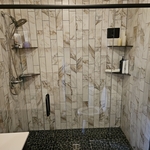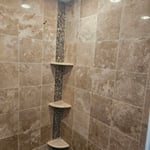







Top-rated ceramic tile pros.

Get matched with top ceramic tile pros in Milo, IA

Enter your zip and get matched with up to 5 pros

Need a pro for your ceramic tile service project in Milo, IA?

Select your specific project to find the pro for you.

Find Ceramic tile pros in Milo

Avatar for Cornerstone Masonry LLC
Cornerstone Masonry LLC
5.0(
5
)

Serving Milo, IA and surrounding areas

Approved

In business since 2019

Free estimates

Emergency services offered

We invite you to experience a tradition of customer satisfaction that will exceed your greatest expectations. Our professionalism and quality workmanship will accurately reflect your taste and lifestyle. From conception to completion, we work with you until the job is done. We are ethical, honest, and easy to communicate with. \n\nCall us today you'll be pleased you did. Thank you\n

1 neighbors recently requested a quote
...
Showing 1-10 of 85
Ceramic Tile questions, answered by experts

On average, tiling a bathroom involves about 12 hours of labor, usually spread over two to three days to accommodate prep work and curing times. A professional tiler can often complete the installation in 6 to 8 hours, whereas a DIYer might take 10 to 16 hours. The total project time is influenced by factors like the bathroom layout, tile type, and necessary prep work, such as removing old tile. The process includes specific timelines for different areas; for example, tiling a floor takes about six hours, while a shower area can take six to ten hours. It is essential to allow for adequate curing time—typically 24 hours each—for the mortar, grout, and caulk, which is why the project extends over several days.

The easiest tile size to install is large tiles, and they’re easier to install than small tiles—the job is faster and simpler when there’s less placing, adhering, and grouting to do. However, when tiles get really big, they’re more difficult to handle, cut, and fit. Standard floor tile sizes are 12-by-12 inches, 18-by-18 inches, and 12-by-24 inches.

Yes, you can tile a shower as a DIY project, and you can save hundreds of dollars in labor costs by doing so. However, you’ll need to rent or buy quite a few tools and supplies for the job, including a saw, tile nippers, and a new shower pan. In terms of the work itself, you should be prepared to tackle a variety of different tasks, including measuring and ordering materials, removing old tile, waterproofing the wall, adding rows of tile, grouting, and more.

When choosing tiles for a shower floor, avoid highly porous tile materials, like those with a water absorption rating over 7%. Don’t use non-vitreous tiles, or tiles fired at low temperatures, because they will absorb more water. If you use a highly porous tile in the shower, the tiles can wear down faster, meaning they’ll need to be replaced much sooner.

Glazed ceramic tiles don’t need to be sealed because the glazing already offers some protection against moisture. Unglazed ceramic tiles need to be sealed to keep the porous tile safe from moisture and staining. However, both types of tile can benefit from sealing. Sealant can make the tiles easier to keep clean and offer more resistance to water, spills, and stains.

The Milo, IA homeowners’ guide to ceramic tile services

From average costs to expert advice, get all the answers you need to get your job done.
What do you need done? We’ll find top pros.
  • 🌱 "Mow a small front yard"
  • 🛠 "Fix a leaking pipe under the sink"
  • 🏠 "Repair shingles on an asphalt roof"