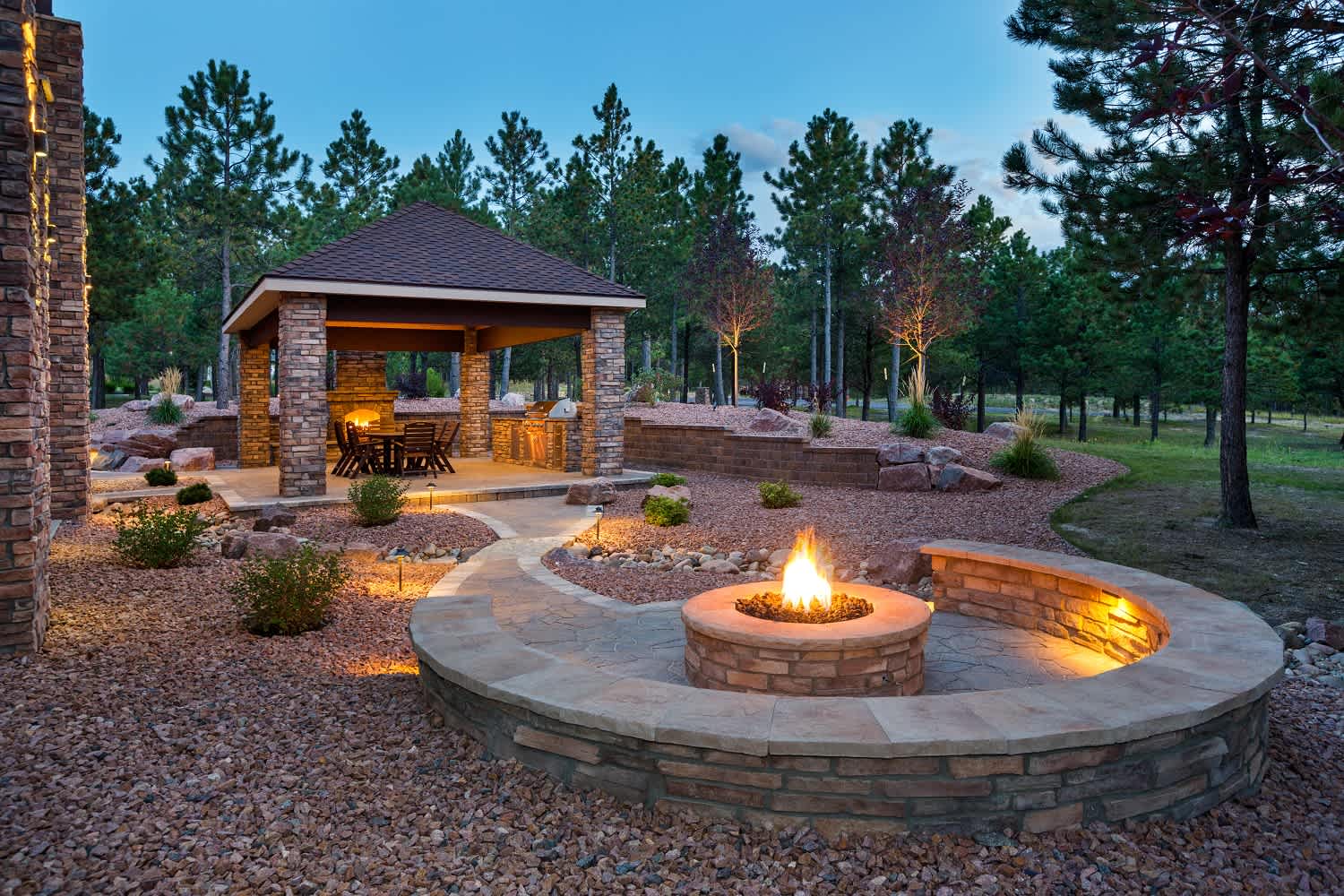




Top-rated fire pit installation pros.

Get matched with top fire pit installation pros in Madrid, IA

Enter your zip and get matched with up to 5 pros

Need a pro for your fire pit installation project in Madrid, IA?

Select your specific project to find the pro for you.

TRUSTED BY MADRID, IA HOMEOWNERS

  • Average homeowner rating star icon4.7
    Average homeowner rating
  • Verified reviews icon17
    Verified fire pit installation services reviews

Find Fire pit installation pros in Madrid

No results for Fire pit installation pro in

Try adjusting your search criteria.
Fire Pit Installation questions, answered by experts

To prevent carbon monoxide poisoning on a propane heater, make sure that your heater is suitable for indoor use. When you run the heater, it should always be in a well-ventilated area with proper air circulation. Installing carbon monoxide detectors on every level of your home is also essential. If you have any questions about using a heater indoors, contact a local heating and oil company for more information.

The National Fire Protection Association (NFPA) says you can place smoke detectors on either the ceiling or the wall, depending on the setup of your room. Since smoke rises, the ceiling makes sense, but if you go with a wall mounting, the alarm should be installed high up—no less than 12 inches from the ceiling. 

Yes, splicing wires can cause a fire if the splicing is done incorrectly. This is why splicing wires is a task best handled by electricians. One of the most common mistakes made when splicing wires is not using a wire connector. Without a wire connector, electricity flows unsheathed and can result in a home electrical fire.

You should never block both the top and bottom of your chimney. Proper airflow is essential because the temperature inside the chimney will still fluctuate as your house warms and cools. Moisture can build up without ventilation, leading to dampness in your walls over time. Blocking the top prevents debris and animals from entering, but the chimney still needs air circulation to avoid condensation issues. Allowing the chimney to breathe maintains the health of your home and prevents long-term damage.

You should have either an ABC or K-rated fire extinguisher in the kitchen. ABC fire extinguishers put out wood, trash, paper, plastic, and textile fires along with grease, oil, gas, kerosene, and electrical fires. A class K fire extinguisher is specifically rated for use in the kitchen and is designed to extinguish combustible cooking materials, including grease and fat. 

The Madrid, IA homeowners’ guide to fire pit installation services

From average costs to expert advice, get all the answers you need to get your job done.