


Top-rated electricians.

Best electricians near Lynnville, IA

Enter your zip and get matched with up to 5 pros

Need a pro for your electrical service project in Lynnville, IA?

Select your specific project to find the pro for you.

Top-Rated Electricians in Lynnville - Updated Nov 2026

Avatar for WireOne, LLC
WireOne, LLC
4.0(
328
)
Electrical Switches, Outlets & Fixtures - Install or RepairElectrical Wiring or Panel UpgradeElectric Vehicle Charging Station Installation - Materials Not Provided+15 more

Serving Lynnville, IA and surrounding areas

Approved

In business since 2010

Emergency services offered

Warranties offered

"I have a mixed review. There was an initial site survey done by Ron M. He gave me estimates of $48k, 23k and 13k. I almost walked away from my new Electric vehicle. I had to suggest the option I went with, to replace my electric range with a gas line run to install a gas range in my kitchen. I did so at a cost of $890 for the range and $1508 for the gas line. Before we settled on this bid, I asked about the former hot tub that was behind my garage. Ron didn?t listen to my input and said it was probably 110v and I asked since my house was bought by me from my Mom when my grandma died. I knew that it was heated and had a 220 circuit. Ron was not the installer on the day of the install, the two gentlemen that did the install did GREAT WORK! 100%! When they were done, the older electrician told me that there was good news, after me spending $2400 for a new gas stove and a gas line, that they used the hot tub line to install my EV charger Ron didn?t listen to a word I said cost me more$"

Lighting
Lighting
Custom Lighting
Recessed Lighting
Lighting

+13

Response time11 hrs
213 neighbors recently requested a quote
Recommended by82%of homeowners

Avatar for Jensen Electric LLC
Jensen Electric LLC
5.0(
6
)
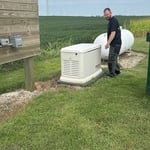
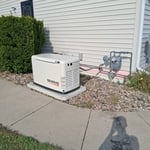
Portable Generator - RepairFixed Generator - InstallFixed Generator - Repair+1 more

Serving Lynnville, IA and surrounding areas

Approved

In business since 2023

Free estimates

Emergency services offered

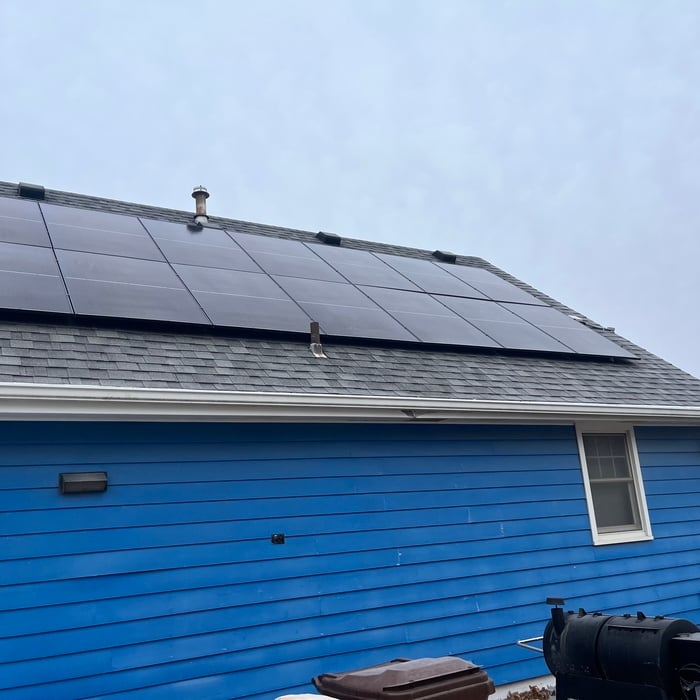
The Jensen family’s history in electrical work spans three generations. It began with Kyle’s grandfather, who spent 47 years as a maintenance electrician with Mountain Bell. That dedication to craftsmanship continued with Kyle’s father, a well-respected electrical contractor in Southern Utah. Following in their footsteps, Kyle entered the trade early—starting as an apprentice at 16, earning his Journeyman license in 2002, and achieving his Master Electrician license in 2006. With that deeply rooted family foundation, he brings decades of hands-on knowledge to every project.\n\n

Gallery
Gallery
3 neighbors recently requested a quote
Showing 1-10 of 42
Electrical FAQs, answered by experts

Watts and volts represent distinct aspects of a light bulb’s functionality. Volts measure the electrical force that drives the current through the bulb, determining its compatibility with the power source. Watts, on the other hand, quantify the bulb’s power consumption and indicate its brightness level. Higher watts generally mean a brighter bulb.

A sump pump can be plugged into a regular, 110-volt outlet with three-prong openings, but it must have GFCI protections per the NEC, meaning you’ll need a GFCI outlet and circuit. Sump pumps require two outlet openings, one for the plug to the motor and one for the float switch.

Inverter generators are designed to turn on the engine when your appliances demand more energy. This is in contrast to running at full capacity as soon as they’re turned on, like a standard portable generator does. So long as the wattage rating is high enough, an inverter can power a refrigerator just as well as a traditional generator.

Type S or T fuses don’t require any special removal or installation tools. However, replacing a cartridge-style fuse is easier and safer when using a fuse-puller tool. All of these tools should be available anywhere you can buy fuses.

Yes, hot tubs can use a significant amount of electricity, primarily to keep the water heated. A typical hot tub uses between 1,500 and 6,000 watts, and the pump can add another 1,500 watts. This usage can result in a monthly cost of around $20 to $30. The exact amount of electricity consumed depends on several factors, including the hot tub's age, size, heater voltage (120V vs. 240V), usage habits, and thermostat setting. Newer, energy-efficient models generally use less power than older ones. To reduce electricity costs, consider investing in an energy-efficient model, using a quality insulated cover with a thermal blanket, and keeping the filters clean.

The Lynnville, IA homeowners’ guide to electrical services

From average costs to expert advice, get all the answers you need to get your job done.