




Top-rated deck staining pros.

Get matched with top deck staining pros in Jefferson, IA

Enter your zip and get matched with up to 5 pros

Need a pro for your deck staining project in Jefferson, IA?

Select your specific project to find the pro for you.

Find Deck staining pros in Jefferson

Avatar for Top Notch Renovations  Facebook
Top Notch Renovations Facebook
4.6(
9
)

Serving Jefferson, IA and surrounding areas

In business since 2014

Free estimates

Offers commercial services

"I hired them to do a full kitchen remodel and it turned out fantastic I'm very happy with the result the towel work looks great also thanks you have a customer for life!!!"
Response time3 hrs
Response rate100%
Recommended by100%of homeowners
Showing 1-10 of 24
Deck Staining questions, answered by experts

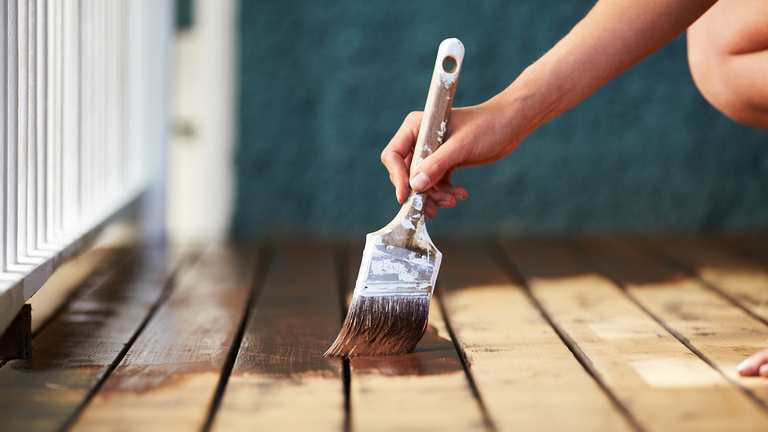
It’s often best to spray on deck sealer. Sprayers can apply sealant more quickly and evenly than rolling while still enabling you to reach tight spaces. When using a sprayer, always use a low-pressure setting at a close distance to ensure an even application. Avoid using sprayers on windy days.

A properly applied coat of stain will last between 3 and 8 years, depending on your climate. If you live in a place where your fence experiences a lot of moisture or high heat, your stain will last for a shorter period than in more temperate conditions. We recommend reapplying stain every 3 to 5 years to keep your wood in good condition.

Applying a sealer or topcoat after staining wood is highly recommended, though not always strictly required. A sealer protects the wood from moisture, UV rays, and weather-related issues, which is especially important for outdoor surfaces like decks and fences. It also enhances the stain's durability, prevents fading over time, and gives the wood a cleaner, more professional-looking finish. For some indoor applications, a sealer may not be necessary, depending on the type of stain used and the level of protection needed. It's always best to check the stain manufacturer's recommendations and consider the wood's intended use and exposure when deciding whether to apply a sealer.

Staining or sealing a cedar deck or fence is highly recommended to extend its lifespan and protect it from the elements. While cedar is naturally resistant to mold and mildew, it is not impervious to damage from moisture, sun exposure, splintering, fading, and rot over time. Applying a protective finish creates a shield that preserves the wood's strength and appearance, potentially extending its life by five to 10 years.

When choosing a finish, it's helpful to understand the difference between a sealer and a stain. A sealer sits on top of the wood, whereas a combination stain and sealer soaks into the top layer. Because it penetrates the wood, a stain generally offers better protection against UV damage and rot and lasts significantly longer. For the best results that also preserve the wood's natural color, consider using a near-translucent stain.

To maintain protection, plan on reapplying the stain or sealer every two to three years, either as a DIY project or by hiring a professional.

Liquid rubber is great for waterproofing, but it can damage your deck if it’s not applied correctly. First, it can trap moisture in the wood if the deck isn’t completely dry before application.  Second, applying it too thickly can create a heavy, rubbery surface layer that peels and cracks under fluctuating temperatures. For the best results, ensure the wood is completely dry before application, and apply the liquid rubber in thin, even coats. A quick inspection every now and then will help you catch any issues early, keeping your deck protected and looking its best.

The Jefferson, IA homeowners’ guide to deck staining services

From average costs to expert advice, get all the answers you need to get your job done.

What do you need done? We’ll find top pros.
  • 🌱 "Mow a small front yard"
  • 🛠 "Fix a leaking pipe under the sink"
  • 🏠 "Repair shingles on an asphalt roof"