





Top-rated deck staining pros.

Get matched with top deck staining pros in Grand Junction, IA

Enter your zip and get matched with up to 5 pros

Need a pro for your deck staining project in Grand Junction, IA?

Select your specific project to find the pro for you.

Find Deck staining pros in Grand Junction

Avatar for Top Notch Renovations  Facebook
Top Notch Renovations Facebook
4.6(
9
)

Serving Grand Junction, IA and surrounding areas

In business since 2014

Free estimates

Offers commercial services

"They built a very nice deck for me in only 2 days and I was quite happy with the price. Really good guys, they worked through some very cold and windy weather to get it finished."
Response time3 hrs
Response rate100%
Recommended by100%of homeowners
Showing 1-10 of 20
Deck Staining questions, answered by experts

Ipe wood can last up to 75 years with minimal maintenance because its own oils help to preserve it. However, to get the most out of your Ipe wood deck, you should perform some routine maintenance, including regular cleaning, sweeping of leaves and debris, and rinsing spills with a hose. It’s also important to repair any deep scratches as soon as you spot them and reseal the deck annually to protect against scratches and scuffs.

A properly applied coat of stain will last between 3 and 8 years, depending on your climate. If you live in a place where your fence experiences a lot of moisture or high heat, your stain will last for a shorter period than in more temperate conditions. We recommend reapplying stain every 3 to 5 years to keep your wood in good condition.

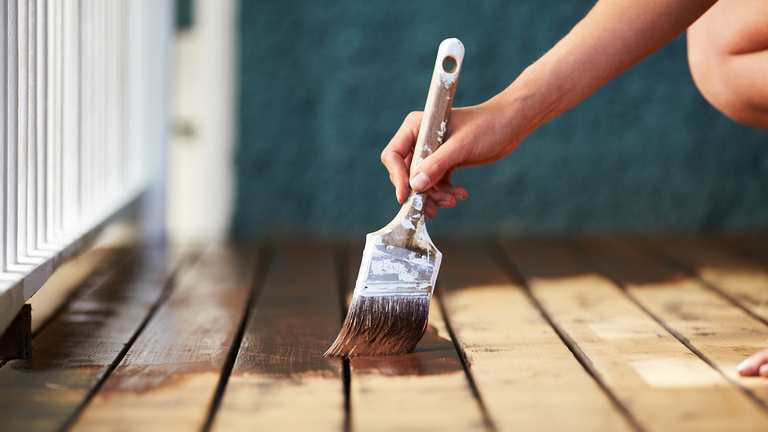
Whether to brush or roll stain on wood depends on the project and your preference. Brushing is ideal for smaller, intricate areas and offers more control over the application, ensuring thorough coverage and penetration into the wood's grain. 

Conversely, rolling is efficient for more extensive, flat surfaces and can save time. However, it is not always the best fit for textured or uneven wood. Some projects may benefit from combining both methods, using a brush for detail work and a roller for broader areas. Ultimately, the choice between brushing and rolling depends on the specific requirements of your staining project.

Staining or sealing a cedar deck or fence is highly recommended to extend its lifespan and protect it from the elements. While cedar is naturally resistant to mold and mildew, it is not impervious to damage from moisture, sun exposure, splintering, fading, and rot over time. Applying a protective finish creates a shield that preserves the wood's strength and appearance, potentially extending its life by five to 10 years.

When choosing a finish, it's helpful to understand the difference between a sealer and a stain. A sealer sits on top of the wood, whereas a combination stain and sealer soaks into the top layer. Because it penetrates the wood, a stain generally offers better protection against UV damage and rot and lasts significantly longer. For the best results that also preserve the wood's natural color, consider using a near-translucent stain.

To maintain protection, plan on reapplying the stain or sealer every two to three years, either as a DIY project or by hiring a professional.

Opt for an interior wood stain that is rated for your type of wood. Consider your personal style preferences as well as the overall use of the room when choosing a color. Remember, the color you see at the store may look different on your actual floors once applied. This is why if you have the chance, it’s helpful to test a few options on a scrap piece of wood in the room first. Once you narrow it down, you can test a small patch on an inconspicuous area in the room to see it on the actual floors.

The Grand Junction, IA homeowners’ guide to deck staining services

From average costs to expert advice, get all the answers you need to get your job done.