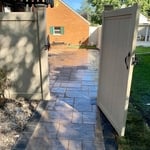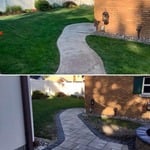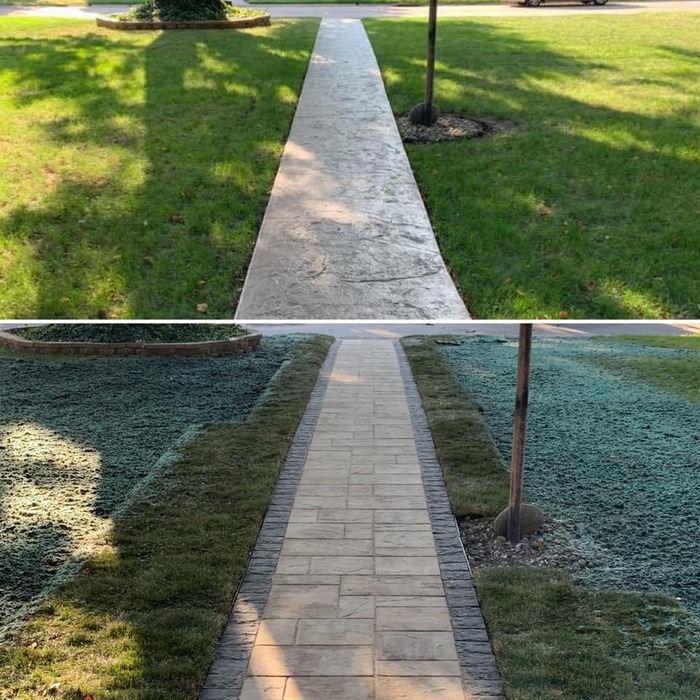
Top-rated paving pros.

Get matched with top paving pros in Eldridge, IA

Enter your zip and get matched with up to 5 pros

Need a pro for your paving service project in Eldridge, IA?

Select your specific project to find the pro for you.

TRUSTED BY ELDRIDGE, IA HOMEOWNERS

  • Average homeowner rating star icon3.9
    Average homeowner rating
  • Verified reviews icon26
    Verified paving services reviews

Find Paving pros in Eldridge

Avatar for Jesus Gomez
Jesus Gomez
3.8(
45
)

Serving Eldridge, IA and surrounding areas

In business since 1998

Free estimates

"Played phone tag for a couple hours. Then he said he just needed my address to come do an estimate. So I sent him my address via text like he asked. Never heard back. Never showed up to do n an estimate."
Additional Photos
Additional Photos
Additional Photos
Additional Photos
Additional Photos

+5

Recommended by89%of homeowners
Avatar for Creative Outdoors, LLC
Creative Outdoors, LLC
5.0(
5
)

Serving Eldridge, IA and surrounding areas

In business since 2012

Free estimates

Credit card accepted

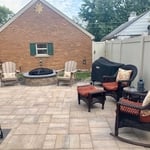
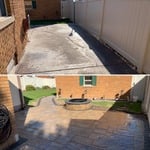
"The patio that creative outdoors installed for me went well above my expectations. Justin and his crew did an amazing job and they are very reasonably priced. I would recommend creative outdoors to anyone looking to enhance the look of their home."
After
Before/After
After
Before/After
Before/After

+20

Response time3 days
Recommended by100%of homeowners
Showing 1-10 of 18
Paving Services questions, answered by experts

While it may be less expensive initially to lay concrete vs. pavers, the long-term expenses that come with repairing concrete may prove to be less cost-friendly than simply replacing a few damaged pavers. On top of that, stamped concrete may only last for 25 years compared to pavers, which can last over 50 years.

Generally speaking, tiles are for indoor use, while pavers are for outdoor use. The main difference between travertine tiles and pavers is their thickness. Tiles are around 1/2 inch thick, and pavers are 1 1/4 inches to 2 inches thick.

Pavers are more rugged and can handle different weather. The extra thickness on pavers also makes them ideal for high-traffic areas.

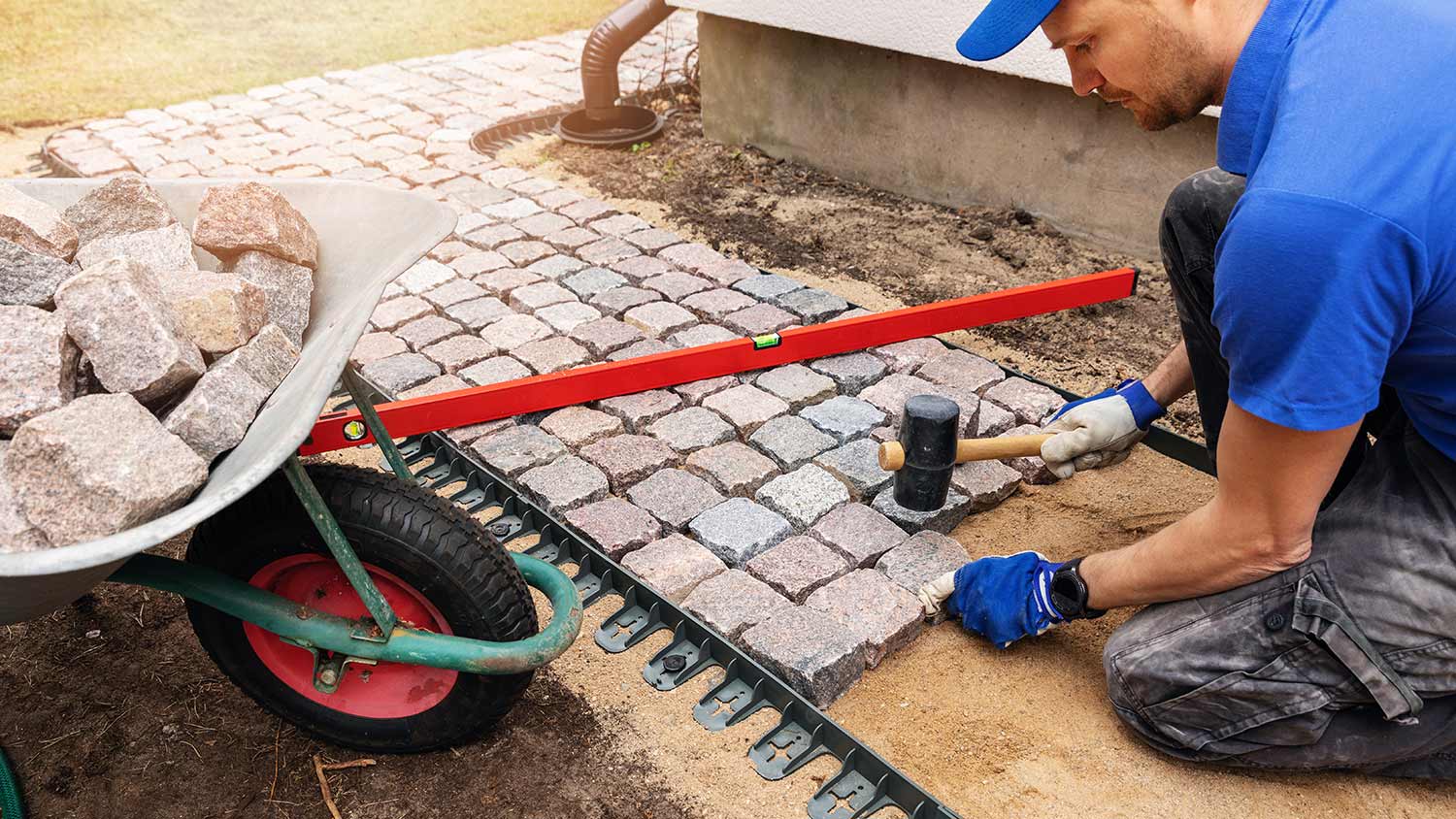
Yes, you should lightly wet the sand with a hose before laying the pavers on top. This activates the bonding agents in the sand, ensuring that your pavers don’t shift around during the installation process. However, you should make sure that the sand is not soaked; overwatering can cause the sand and pavers to not set properly.

Paver driveways are durable and aesthetically pleasing, but they do have a few cons. For instance, paver driveways are often more expensive than asphalt and concrete driveways. They also make it easier for weeds to grow where the separate pavers meet up. They may also be more likely to settle over time.

Three inches is a great thickness for a residential asphalt driveway that sees minimal to moderate traffic from cars, SUVs, and pickup trucks. However, a thicker driveway can better withstand the weight of a heavier vehicle, such as a trailer or a recreational vehicle. If you drive a heavy vehicle on a thin driveway, you risk cracking and damaging it.

The Eldridge, IA homeowners’ guide to paving services

From average costs to expert advice, get all the answers you need to get your job done.