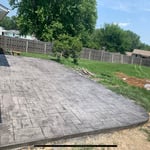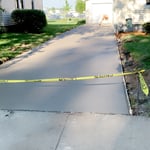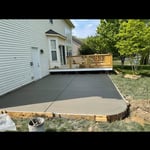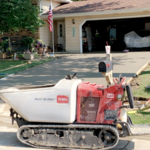



Top-rated paving pros.

Get matched with top paving pros in Princeton, IA

Enter your zip and get matched with up to 5 pros

Need a pro for your paving service project in Princeton, IA?

Select your specific project to find the pro for you.

Find Paving pros in Princeton

Avatar for Creative Outdoors, LLC
Creative Outdoors, LLC
5.0(
5
)
Interlocking Pavers for Patios, Walks & Steps - Install

Serving Princeton, IA and surrounding areas

In business since 2012

Free estimates

Credit card accepted

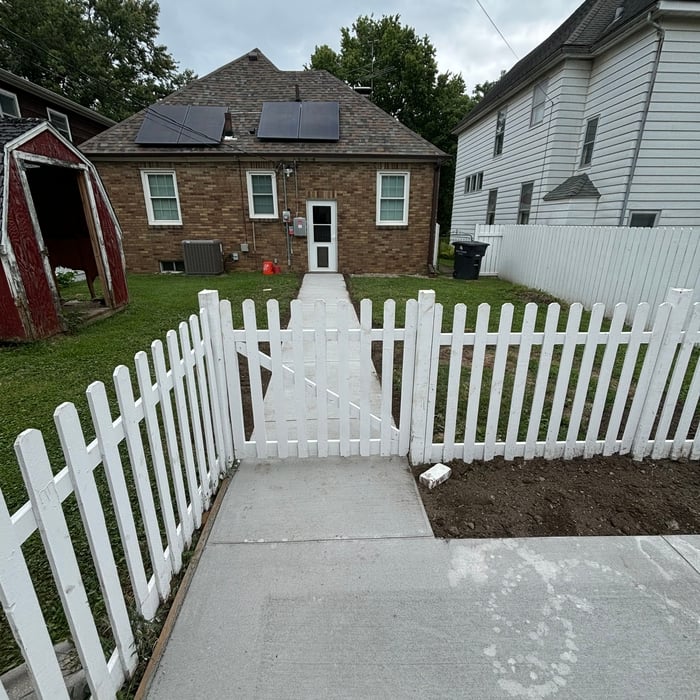
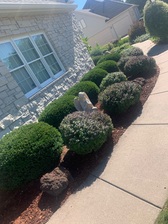
"The patio that creative outdoors installed for me went well above my expectations. Justin and his crew did an amazing job and they are very reasonably priced. I would recommend creative outdoors to anyone looking to enhance the look of their home."
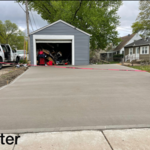
After
Before/After
After
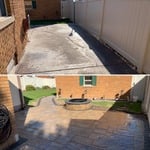
Before/After
Before/After

+20

Response time3 days
Recommended by100%of homeowners
Showing 1-10 of 18
Paving Services questions, answered by experts

A driveway's lifespan varies by material. Asphalt driveways typically last 15 to 30 years, while concrete driveways last longer, between 20 and 50 years. The longevity of any driveway is affected by factors like extreme temperatures, heavy traffic, and the quality of maintenance. Regular upkeep, such as filling cracks, resealing the surface, and ensuring proper drainage, can help extend its life. For gravel driveways, regrading to fill in uneven areas every year or two is recommended.

To ensure you hire a reliable and experienced paving company, you should start by finding companies in your area that have at least five to ten years of experience working in your neighborhood. Next, rule out companies with poor reviews online or a series of complaints filed with the Better Business Bureau. Since driveways affect your curb appeal, you should also ask each company for references and pictures of recent work to make sure the work the company does is professional and high quality. Finally, check that the company is licensed and insured.

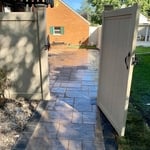
You should place a layer of thick landscaping fabric directly over the concrete slab and then a thin layer of leveling sand over that to protect the pavers from moisture. For border pavers, you should plan on locking them in place with polyurethane adhesive. This will prevent them from shifting under foot traffic.
The layer of polymeric sand under the pavers plus the polymeric sand that gets swept into the joints between your pavers holds them in place in a few ways. For one, the gritty texture of the sand helps lock the pavers together. Polymeric sand also contains bonding agents that get activated by water. Polymeric sand will take between 24 and 48 hours to fully cure, so do not walk on your paver walkway before this time.
To adhere pavers to concrete, you can use either mortar or a concrete-specific adhesive. For border pavers, a polyurethane-based adhesive is a good choice as it expands and contracts with temperature changes, keeping them firmly in place. For the non-border pavers, polymeric sand is used between the joints to prevent shifting. In most cases, it is also recommended to lay a permeable sand layer below the pavers to ensure proper stability and drainage. Before starting, always take the proper preparatory steps for a professional result.

The Princeton, IA homeowners’ guide to paving services

From average costs to expert advice, get all the answers you need to get your job done.