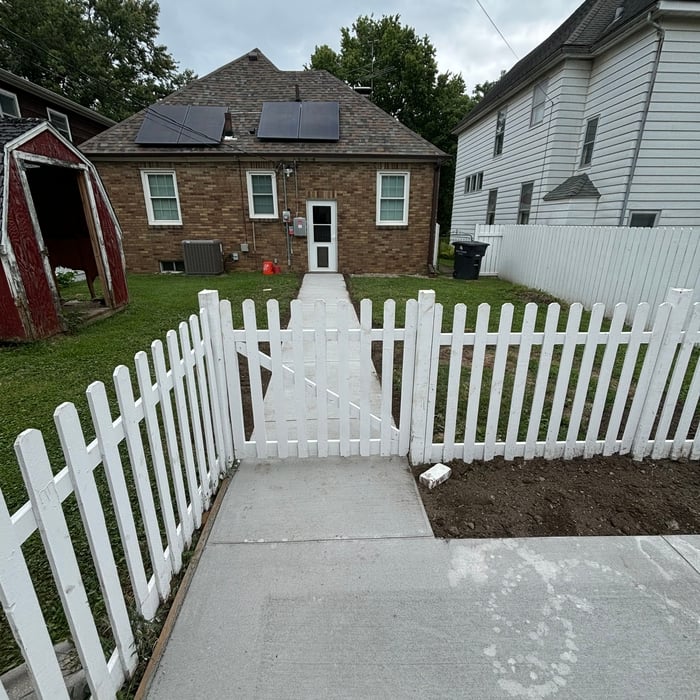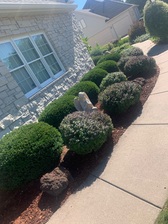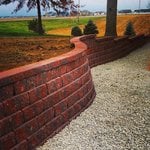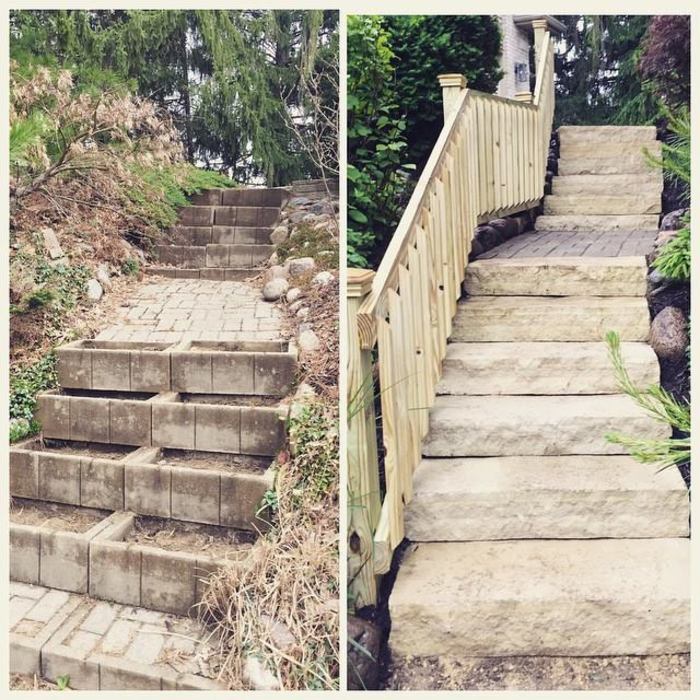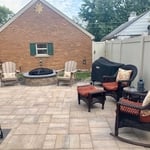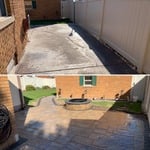



Top-rated paving pros.

Get matched with top paving pros in Bettendorf, IA

Enter your zip and get matched with up to 5 pros

Need a pro for your paving service project in Bettendorf, IA?

Select your specific project to find the pro for you.

Find Paving pros in Bettendorf

Avatar for Creative Outdoors, LLC
Creative Outdoors, LLC
5.0(
5
)
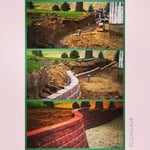
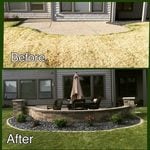
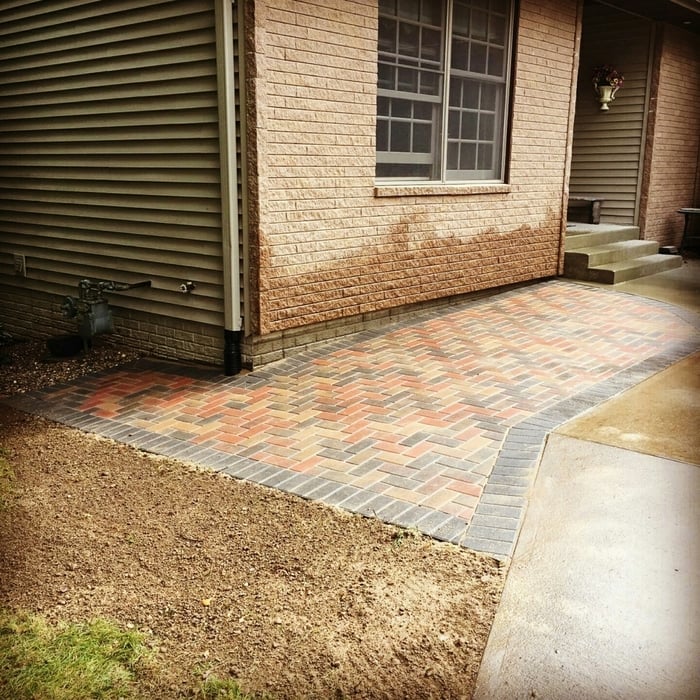
Interlocking Pavers for Patios, Walks & Steps - Install

Serving Bettendorf, IA and surrounding areas

In business since 2012

Free estimates

Credit card accepted

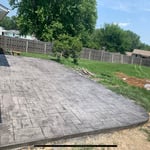
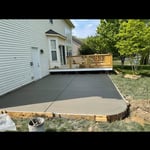
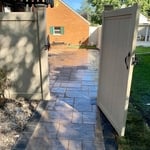
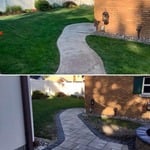
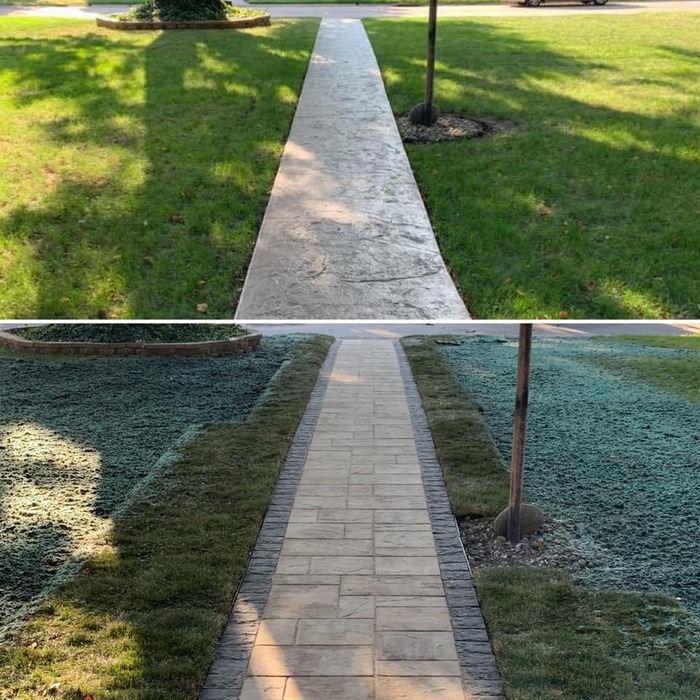
"The patio that creative outdoors installed for me went well above my expectations. Justin and his crew did an amazing job and they are very reasonably priced. I would recommend creative outdoors to anyone looking to enhance the look of their home."
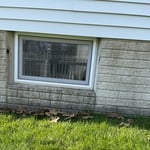
After
Before/After
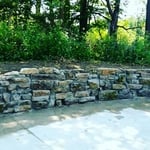
After
Before/After
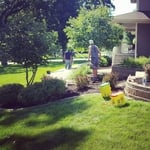
Before/After

+20

Response time3 days
Recommended by100%of homeowners
Showing 1-10 of 21
Paving Services questions, answered by experts

While water-related pressure caused by poor drainage is one common cause of paver cracking, other factors can include ground movement beneath pavers, heavy loads and wear and tear over the pavers, and climates with constant freeze-thaw cycles. In general, pavers should be resealed every three to five years to prevent cracking.

If you wish to break up a cracked or broken paver for removal, you can use a hammer or mallet and a chisel to fragment the paver. As you’re working, be careful not to disturb surrounding pavers; the key is to work slowly and steadily and remove the broken pieces gently. You should also wear a mask and goggles to ensure that no dust gets into your eyes, nose, or mouth as you work.
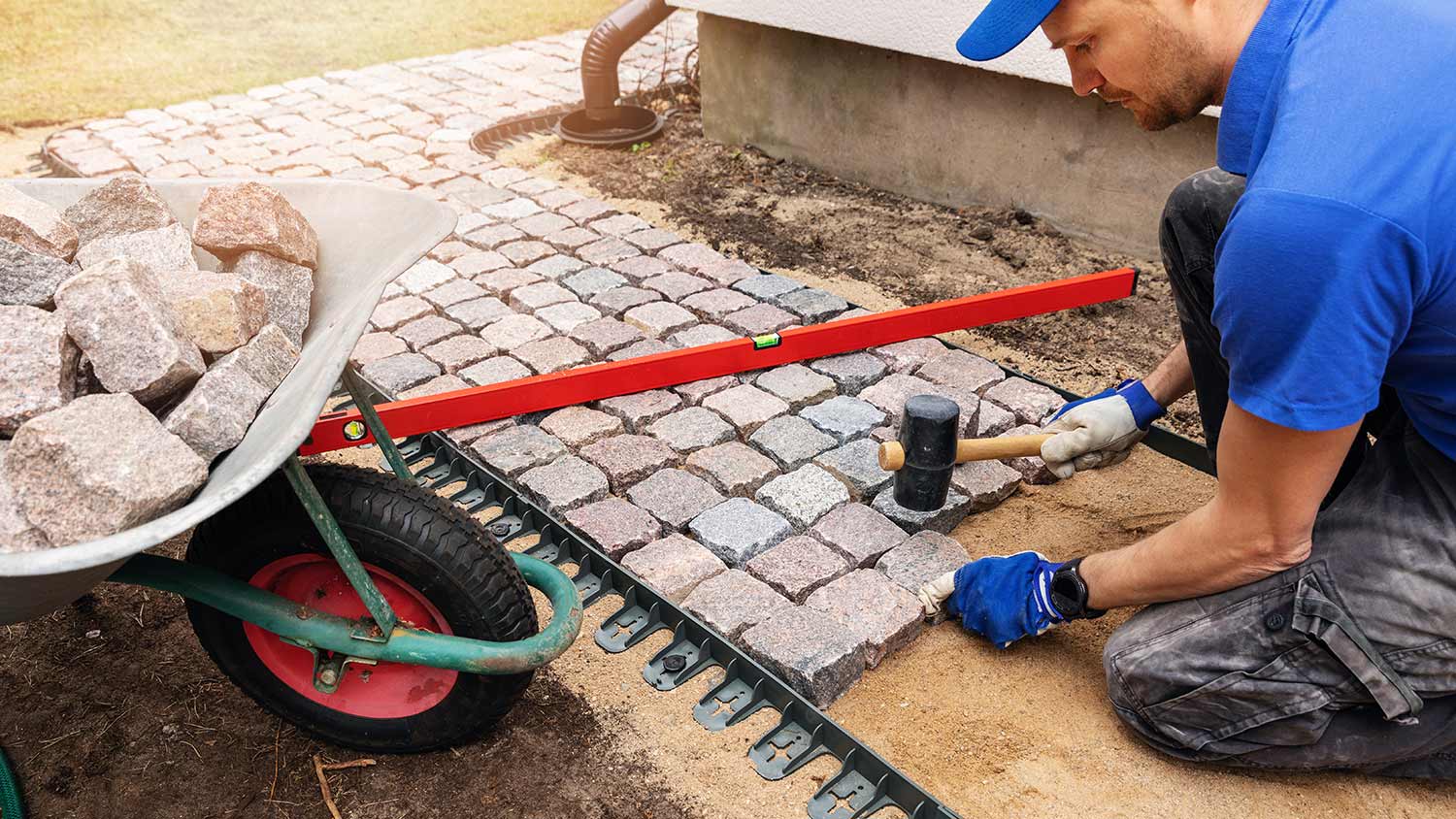
Whether you decide to DIY paver installation or want to hire a pro, it’s smart to understand the process. First, you’ll need to prepare the area by clearing away grass and dirt. Next, you’ll add the paver base of gravel and sand before laying the pavers on top. You may need to cut pavers to fit your space or the landscaping design and add edging stones.

Asphalt and tarmac are not the same thing. Traditional tarmac, short for tarmacadam, uses tar as a binder to hold crushed stone together. Asphalt uses bitumen—a byproduct of crude oil—to bind aggregate. Though tarmac was once a go-to for roads, asphalt has become the modern standard. And these days, most surfaces referred to as “tarmac” are actually asphalt. So, while the names may overlap, the key distinction lies in the binder—tar for tarmac and bitumen for asphalt.

Three inches is a great thickness for a residential asphalt driveway that sees minimal to moderate traffic from cars, SUVs, and pickup trucks. However, a thicker driveway can better withstand the weight of a heavier vehicle, such as a trailer or a recreational vehicle. If you drive a heavy vehicle on a thin driveway, you risk cracking and damaging it.

The Bettendorf, IA homeowners’ guide to paving services

From average costs to expert advice, get all the answers you need to get your job done.