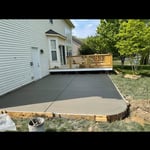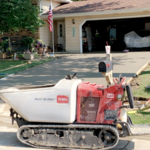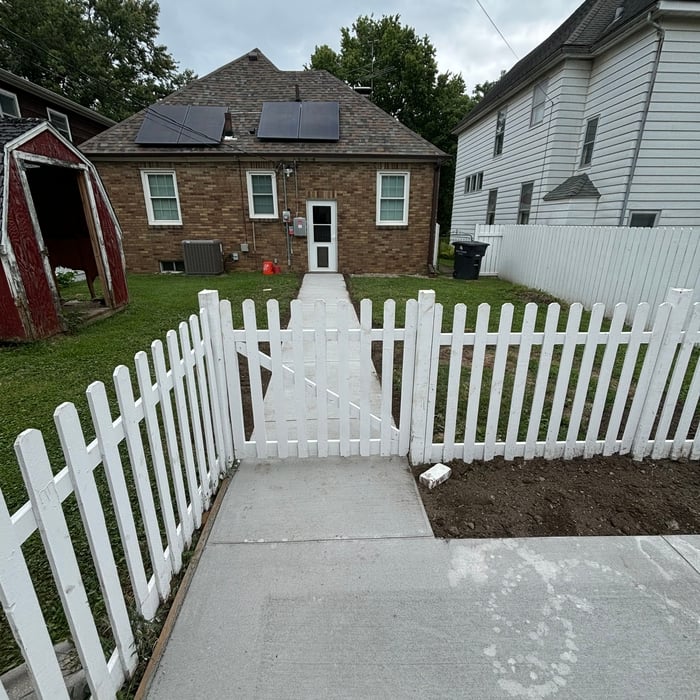







Top-rated paving pros.

Get matched with top paving pros in Durant, IA

Enter your zip and get matched with up to 5 pros

Need a pro for your paving service project in Durant, IA?

Select your specific project to find the pro for you.

Find Paving pros in Durant

Avatar for TLC Property Services
TLC Property Services
4.9(
17
)

Serving Durant, IA and surrounding areas

Approved

In business since 2017

Free estimates

Emergency services offered

"Tyler was the first to respond to my inquiry regarding deck power washing/sanding/staining and his quote was very reasonable. He and his coworker were thorough, conscientious and very professional. I would highly recommend them to anyone!"
Outdoor Patio
Outdoor Patio
Outdoor Patio
Outdoor Patio
Outdoor Patio

+21

Response time3 days
11 neighbors recently requested a quote
Recommended by56%of homeowners
Avatar for Royals Design & Landscaping LLC
Royals Design & Landscaping LLC
5.0(
3
)

Serving Durant, IA and surrounding areas

In business since 2023

Free estimates

Credit card accepted

"Work was done in a timely and professional manner. Some of our neighbors inspected the project and were so impressed that they contacted them to bid on some of their projects. Would highly recommend them to other friends and family."
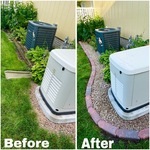
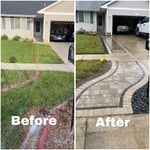
Landscape edging before and after
Before and After picture of Paver walkway
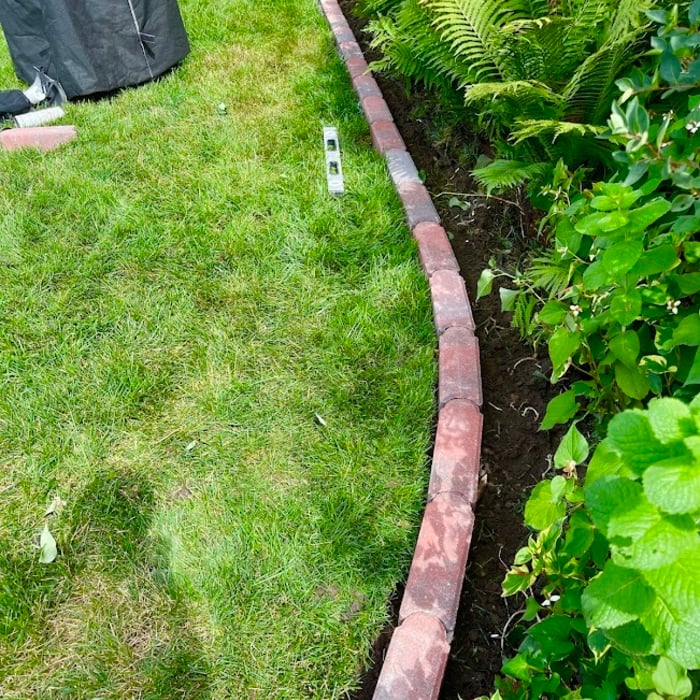
Landscaping Edging
Before picture of paver walkway
Landscape Edging

+23

Response time1 day
Response rate94%
Recommended by66%of homeowners
Showing 1-10 of 21
Paving Services questions, answered by experts

The most common causes of sunken pavers are poor base preparation and insufficient compaction. The problem could also be how your pavers were installed. If the soil beneath your patio or walkway wasn't compacted, it will pull pavers down as it settles. Additionally, using bare soil instead of making a paver bed with compacted gravel and sand can cause sinking over time. To fix sunken pavers, consider recompacting the base and addressing any drainage or erosion issues in the area.

Driveways should be sloped with a minimum 2% slope—anything lower will cause precipitation and runoff to collect. A 2% slope is the equivalent of a 2-foot rise over 100 feet. One quick way to check the integrity of your driveway’s slope: no more than four inches of water should collect on the surface longer than 15 minutes after rain.

While some areas may allow for a slope of up to 20%, this is often the maximum slope for driveways, with a few exceptions of up to 25%. Other regions may have a maximum of 12%, 15%, or 18%, so check with your local building department to ensure you’re laying a driveway that is up to code for your location.

You’ll first need to install a base underneath your pavers for extra stability and drainage. Otherwise, the pavers can sink into the ground, and you’ll have to reinstall them. Use a base gravel layer of 4 to 6 inches for walkways and 10 to 12 inches for driveways. Compact your gravel layer every 2 to 4 inches so it’s nice and solid. After you install your gravel base, apply a 1-inch layer of sand on top.

Asphalt and tarmac are not the same thing. Traditional tarmac, short for tarmacadam, uses tar as a binder to hold crushed stone together. Asphalt uses bitumen—a byproduct of crude oil—to bind aggregate. Though tarmac was once a go-to for roads, asphalt has become the modern standard. And these days, most surfaces referred to as “tarmac” are actually asphalt. So, while the names may overlap, the key distinction lies in the binder—tar for tarmac and bitumen for asphalt.

The Durant, IA homeowners’ guide to paving services

From average costs to expert advice, get all the answers you need to get your job done.