



Top-rated fountain pros.

Get matched with top fountain pros in Denver, IA

Enter your zip and get matched with up to 5 pros

Need a pro for your fountain service project in Denver, IA?

Select your specific project to find the pro for you.

Find Fountain pros in Denver

Avatar for Bernd's Pond
Bernd's Pond
5.0(
11
)
Water Feature - Install a Fountain or Waterfall

Serving Denver, IA and surrounding areas

In business since 2012

Free estimates

Emergency services offered

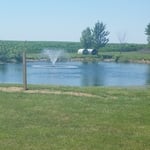
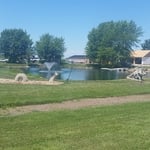
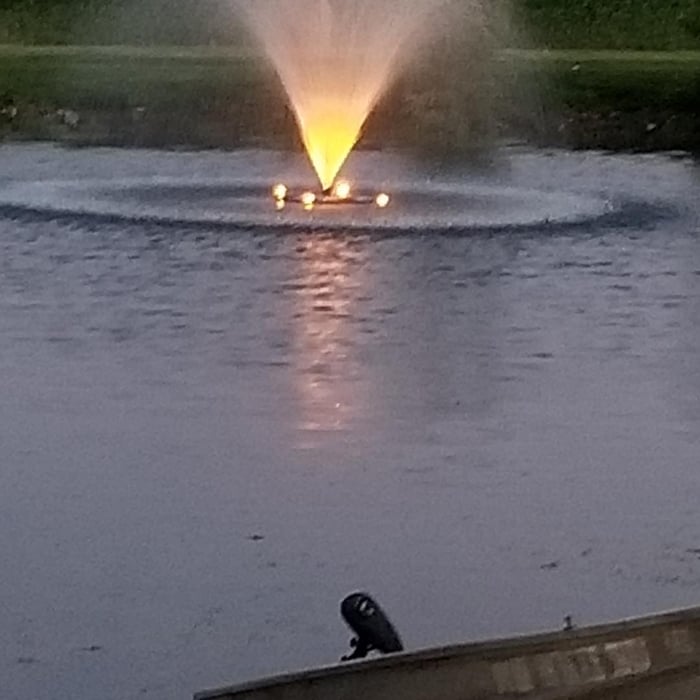
"After several years of constantly replacing blown pond lights Bernd evaluated our situation and made a couple of recommendations. Following his recommendation and with his assistance all of our lights were replaced. The pond now glows beautifully from dusk until about 3am. We couldn't be more pleased."
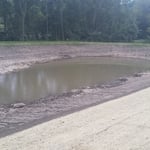
Additional Photos
Additional Photos
Additional Photos
Additional Photos
Additional Photos

+20

Recommended by100%of homeowners
Fountains questions, answered by experts

Natural swimming pools are designed to deter pests, including mosquitoes. While any body of water can potentially attract pests, the natural filtration system keeps the water clean and constantly moving. Mosquitoes specifically are attracted to standing water, so the continuously circulating water in a natural pool makes it an inhospitable environment for them.

One of the most important parts of building a pond is digging the right depth. Your pond needs to be at least one to two feet deep. The specifics of the depth will depend on factors such as the placement of the pond and whether you plan on having fish. If you have fish in your pond, it will need to be at least two feet deep.

Seeps and springs form when groundwater reaches the earth’s surface. The main differences between them are the amount of water and the flow rate. Seeps are smaller than springs and consist of water that’s stagnant or flows slowly. Springs contain more water and flow more quickly.

Regularly clean pumps, remove debris, and monitor water levels to prevent algae growth and clogging.

In addition to length and width, pond liners also come in various thickness levels. Thickness is measured in mils, a unit of measurement equal to one-thousandth of an inch, with most pond liners ranging from 15 to 60 mils in thickness. The smaller the number, the thinner (and weaker) the liner. To prevent rips and tears, it’s best to choose a pond liner that’s at least 30 mils thick.

The Denver, IA homeowners’ guide to fountain services

From average costs to expert advice, get all the answers you need to get your job done.