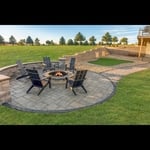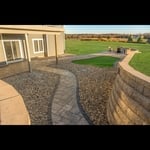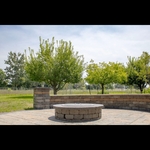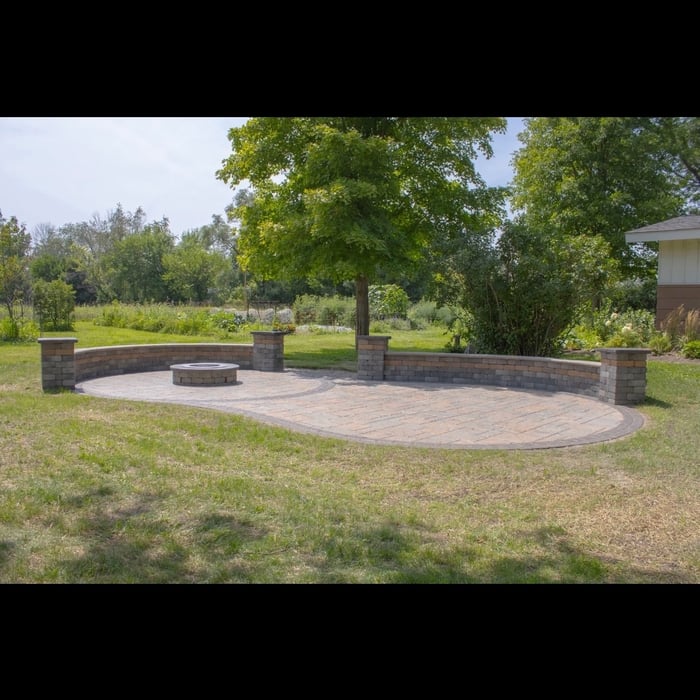



Top-rated masons.

Best masons near Clarence, IA

Enter your zip and get matched with up to 5 pros

Need a pro for your masonry work project in Clarence, IA?

Select your specific project to find the pro for you.

Top-Rated Masons in Clarence - Updated Nov 2026

Avatar for Foundation Recovery Systems
Foundation Recovery Systems
4.6(
40
)
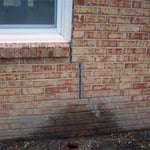
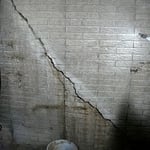
Foundation, Basement or Crawlspace - Waterproofing / EncapsulationConcrete Foundation - RaiseConcrete Foundation - Repair+2 more

Serving Clarence, IA and surrounding areas

Approved (Corporate)

In business since 1992

Free estimates

Warranties offered

"Kent Clayberg proudly, patiently explained Foundation Recovery Systems services available and quality products they use at affordable pricing. Answer to a prayer. I need sump pump drainage line repaired, sidewalk raised, etc. Peace of mind is a phone call away."
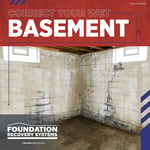
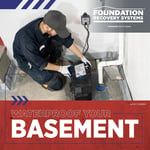
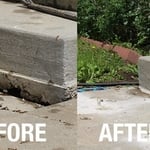
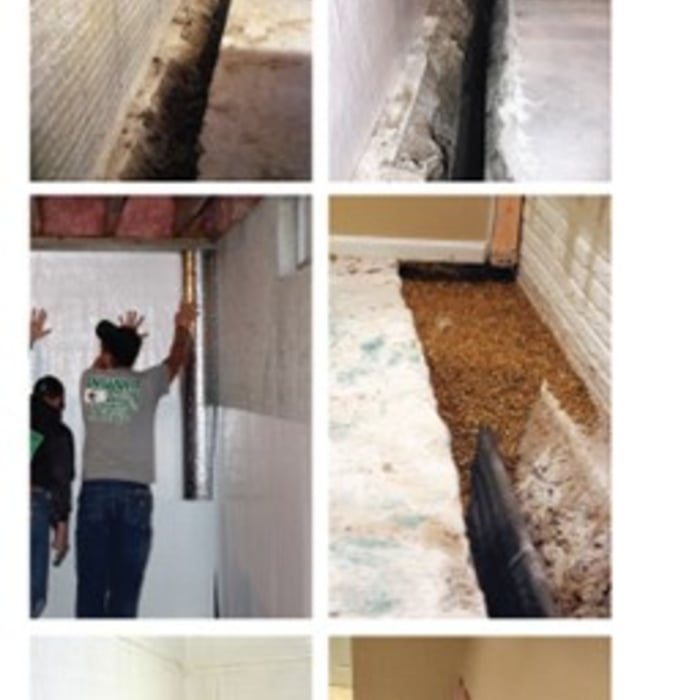
Protect Your Basement Before & After
Correct Your Wet Basement
Protect Your Basement
Waterproof Your Basement
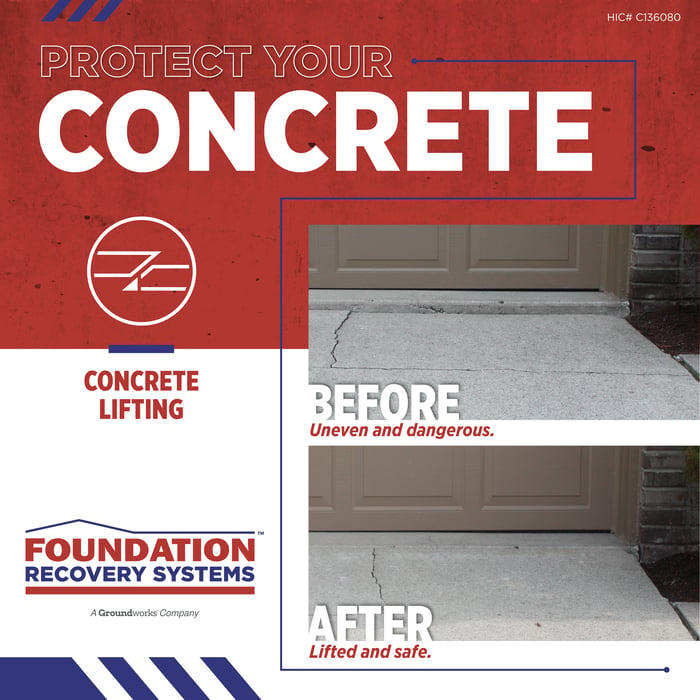
Protect Your Concrete Before & After

+16

375 neighbors recently requested a quote
Recommended by59%of homeowners
Avatar for Pajic Tuckpointing
Pajic Tuckpointing
2.3(
25
)
Brick or Stone - Tuck-pointingBrick, Stone or Block Wall - RepairBrick or Stone - Tuckpointing - For Business

Serving Clarence, IA and surrounding areas

Approved

In business since 2010

Free estimates

Customers say: Quick response

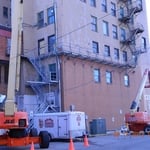
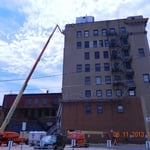
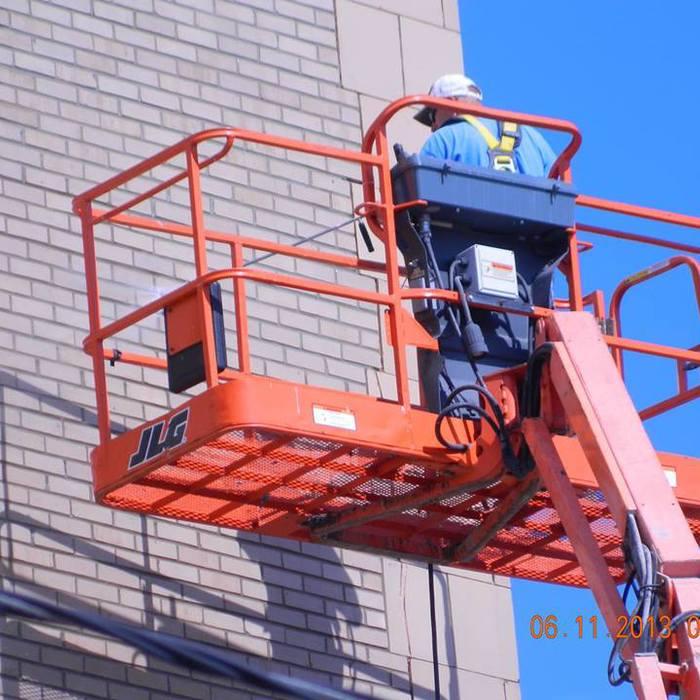
"We had a brick building from the 1910s where the bricks were deteriorating. In addition, another building next to ours was demolished and this created another dimension of repair on one side. When they arrived they worked quickly and provided great work with a very professional approach. We can't say enough good things to express our satisfaction."
tuckpointing
tuckpointing
tuckpointing
tuckpointing
tuckpointing

+25

23 neighbors recently requested a quote
Recommended by100%of homeowners

Showing 1-10 of 42
Masonry FAQs, answered by experts

The white stains you see on your bricks are likely efflorescence, which is salt and lime buildup. To remove efflorescence stains, simply brush them away with a stiff brush. For larger, more stubborn stains, scrub the stains with a water-detergent solution.

When painting brick, each application method has pros and cons. Spraying is much faster but may not penetrate the porous surface of the bricks. Rolling is effective for getting paint into the bricks but doesn't work as well on the mortar. Brushing is very time-consuming and also won't penetrate beyond the surface. For the best results, a combination of spraying and rolling is often recommended. If you use a roller, choose a thick option (at least a half-inch) and ensure the paint gets into all the crevices for even coverage.

When painting brick, each application method has distinct advantages and disadvantages. Spraying is significantly faster but may not penetrate deeply beyond the surface layer. Rolling is effective for working paint into the brick's texture but can be less effective on mortar joints. If you opt for a roller, choose a thick nap of at least a half-inch to ensure paint gets into all the crevices for even coverage. Using a brush is generally not recommended as it is very time-consuming and provides poor surface penetration. Ultimately, a combination of spraying followed by back-rolling is often the best strategy for a durable and even finish.

Drilling into brick or mortar requires the use of a masonry drill bit. Masonry drill bits appear similar to standard drill bits except for the leading tip of the bit. The tip has a bulky carbide arrow-shaped end slightly larger than the rest of the bit shaft. Standard or high-speed drill bits designed for making holes in wood or metal don’t have the ruggedness or design shape you need to drill into brick. They may not go through the brick at all, and if they do, they’re more likely to overheat, crack, or dull before you finish drilling.

Not all cracks in brick indicate foundation problems. For instance, small hairline cracks can occur as a new construction settles. However, larger cracks are often a sign of a more severe issue. Indicators of a potential foundation problem include long horizontal cracks, "stair-step" cracks, vertical cracks that appear indoors, or any crack that widens at the top. Other signs of structural damage to look for are uneven floors and doors or windows that stick. These issues could be caused by problems with the soil beneath the home or an overgrown tree.

The Clarence, IA homeowners’ guide to masonry services

From average costs to expert advice, get all the answers you need to get your job done.