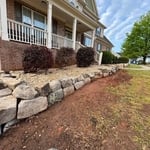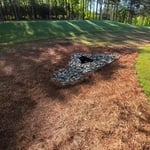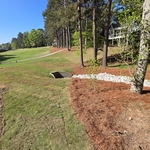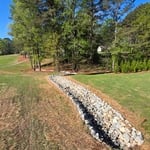









Top-rated excavation pros.

Get matched with top excavation pros in Union Point, GA

Enter your zip and get matched with up to 5 pros

Need a pro for your excavation project in Union Point, GA?

Select your specific project to find the pro for you.

Find Excavation pros in Union Point

Avatar for Gordon's Southern Land Management
Gordon's Southern Land Management
4.4(
19
)

Serving Union Point, GA and surrounding areas

Approved

In business since 2019

Free estimates

Emergency services offered

"I hired the company in order to have 5 acres cleared and graded. I trusted it because few years ago I hired them for a mulching , demolition and excavation projects. The work is always performed flawlessly, they start and complete the work without interruption. That is a very important factor for us. The initial estimate I was given was what the total price at the closing of the project. This is what I respect greatly. Hire them with confidence."
Lexington, Ga
Lexington, Ga
Lexington, Ga
Lexington, Ga
Lexington, Ga

+10

Response time11 hrs
Response rate86%
4 neighbors recently requested a quote

...
Showing 1-10 of 83
Excavating questions, answered by experts

The rules and regulations regarding groundwater use vary between states. To find out if you can dig a well on your property, you’ll have to consult these regulations, address any compliance requirements, and get the appropriate permits. It’s also important to check that your intended location has the right geology and water table to support a well.

The easier way to find buried sprinkler lines is to use the plan from the professionals who installed the system. If you don’t have professional plans, listen for running water on your lawn when you turn on the system. You may also spot wet areas, giving you an idea of where the heads are. Once you find the sprinkler heads, you’ll likely be able to connect the dots between them, revealing the system below.

A trench that is less than 5 feet deep often doesn't require a protective system. Most residential trenches will not go this deep (the typical residential drainage trench is just 18 inches deep). In the event that an excavator needs to dig more than 5 feet beneath the surface, a protective system is required unless the excavation is in entirely stable rock.

Most residential basements are 8 to 10 feet deep. You can dig deeper depending on building codes, but it does become more difficult. You’ll likely need to install stronger foundation walls and additional supports to handle the increased load. Depending on the water table, you may also need a water management system. Clay soil can support a deeper foundation than sandy soil. A structural engineer will be able to tell you the maximum, feasible depth.

Errors in site preparation can lead to structural failures or appear costly midway. Professionals ensure detailed, reliable home base development layouts.

The Union Point, GA homeowners’ guide to excavation services

From average costs to expert advice, get all the answers you need to get your job done.