




Top-rated excavation pros.

Best excavation pros near Warrenton, GA

Enter your zip and get matched with up to 5 pros

Need a pro for your excavation project in Warrenton, GA?

Select your specific project to find the pro for you.

Top-Rated Excavation pros in Warrenton - Updated Nov 2026

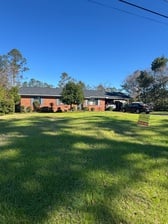
Avatar for ISRAEL TRUCKING LLC
ISRAEL TRUCKING LLC
5.0(
10
)
Building Site - Preparation and Clearing

Serving Warrenton, GA and surrounding areas

Approved

In business since 2023

Small jobs welcome

"My entire property was devastated by hurricane Helene. I lost all of my trees. I gave Terrence and Mike the overall design of what I wanted. What they accomplished exceeded my expectations. I love my property now. If I can get used to all of this sunshine!"
Response time7 hrs
Response rate100%
5 neighbors recently requested a quote
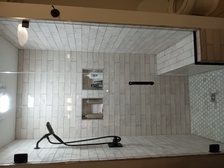
KAT Construction & Excavation
5.0(
18
)
Building Site - Preparation and ClearingExcavation - Major Grading or Resloping

Serving Warrenton, GA and surrounding areas

In business since 2022

Free estimates

Credit card accepted

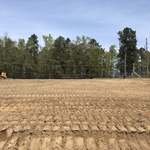
"KAT was timely and professional. I was kept updated at every step. Darrell "rough prepped" a 1.5 acre tract for me. I'm not ready to build yet, but wanted it leveled and planted in something to hold soil through the winter. Darrell was right on top of it. It was still too warm for Rye, so Darrell suggested Oats. The land looks awesome and we are ready for compaction and perc testing. Price was reasonable and the result was far better than I was hoping for. Will be calling back for future work."
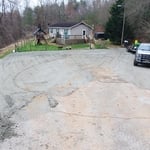
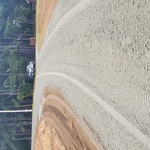
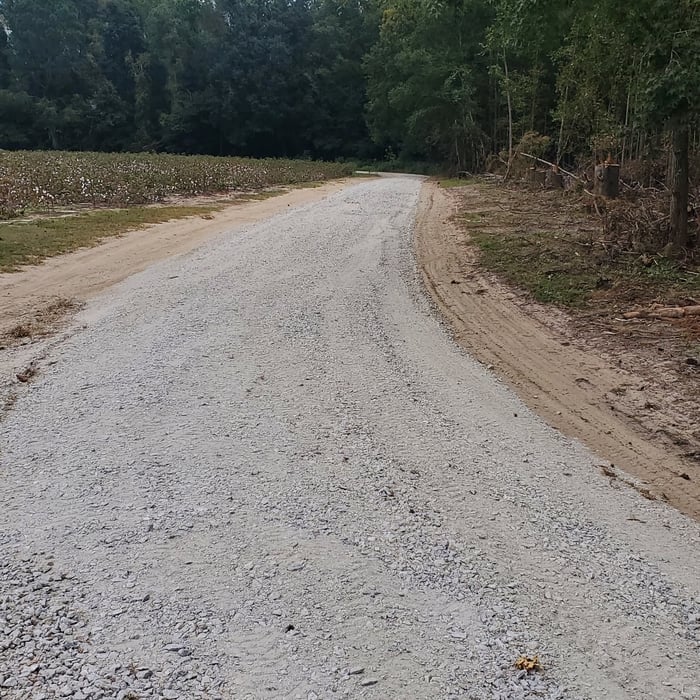
Rock driveway
Rock Driveways
Rock driveway
Rock driveway
Rock driveway

+9

Response time9 hrs
Response rate92%
Recommended by88%of homeowners
...
Showing 1-10 of 72
Excavating FAQs, answered by experts

To drill a shallow well, you may be able to use a drive well point. This is a tapered point that is driven into the ground. A drill bit at the end of PVC pipe may be another option to consider. A lot of the cost depends on what tools are available near you.

Landscape edging is more DIYable than trenching. You can DIY your own digging projects, but proceed carefully and only with proper knowledge of the equipment and appropriate safety measures in place. Keep in mind the project's scope and estimate how long it will take you to do it on your own. While you can certainly save money by DIYing home improvement projects, you can’t exactly hide an unfinished—or worse, ruined— landscaping job from the neighbors. It’s always safer to call an excavation pro near you to get an estimate.

Sewer lines can be buried anywhere from 18 inches to 8 feet deep, with a common average depth between 18 and 30 inches. The exact depth depends on local factors like climate and soil type. In colder regions, pipes must be buried deeper (below the frost line) to prevent freezing, sometimes as deep as 8 feet. The digging depth can also impact the cost of sewer line replacement. To find the specific depth for your property, you can check the building plans for your system, which should be on file with your city or local sanitation department since permits are required for installation.

There are several methods to hollow out a tree stump, and the best one depends on your tools, experience, and priorities. Common methods include using a chisel and hammer, a chainsaw, or burning.

  • Chisel and Hammer: This is often considered the easiest approach for those with limited tools or experience, though it is the most time-consuming.

  • Chainsaw: Using a chainsaw is the fastest method, but it comes with significant safety risks, especially for inexperienced users.

  • Burning: This can be an effective method, but it is not recommended unless you can first drill holes into the stump. Without holes, the stump will be difficult to light and may not burn completely through.

A power drill with at least a ⅜-inch diameter bit can make the job quicker and easier, regardless of the primary method. While you can use a chisel or chainsaw without a drill, it will require more time and effort. Always wear protective goggles and thick gloves, as splinters are an inevitable risk.

No, you typically cannot use metal detectors to find your sewer line. Most sewer lines are made of non-metallic materials such as PVC, clay, or cast iron, which are not detectable by standard metal detectors. Metal detectors are designed to locate metallic objects, so they won't be effective for identifying the path of a non-metallic sewer line. To locate your sewer line accurately, it's best to use other methods.

The Warrenton, GA homeowners’ guide to excavation services

From average costs to expert advice, get all the answers you need to get your job done.