



Top-rated excavation pros.

Best excavation pros near Lexington, GA

Enter your zip and get matched with up to 5 pros

Need a pro for your excavation project in Lexington, GA?

Select your specific project to find the pro for you.

TRUSTED BY LEXINGTON, GA HOMEOWNERS

  • Average homeowner rating star icon5
    Average homeowner rating
  • Verified reviews icon17
    Verified excavation services reviews

Top-Rated Excavation pros in Lexington - Updated Nov 2026

Avatar for Great American Hauling, LLC
Great American Hauling, LLC
5.0(
7
)
Excavation - Major Grading or Resloping

Serving Lexington, GA and surrounding areas

Approved

In business since 2021

Free estimates

Emergency services offered

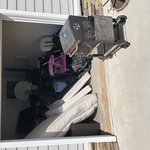
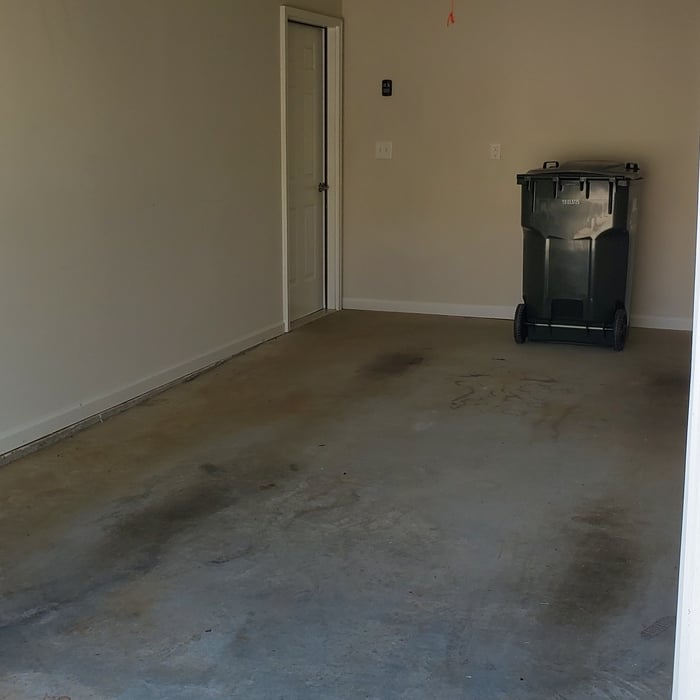
"Iâ m in property management and Iâ m always in need of things done within a quick turn around. I reached out to Great American hauling for removal of items from an eviction. They were quick to respond and did the job in a timely manner. I would definitely recommend there services and look forward to working with them again in the future."
before
before
before
after
after

+48

Response time1 day
Response rate93%
16 neighbors recently requested a quote

Avatar for Oconee Landscapes
Oconee Landscapes
4.5(
8
)
Landscape - Minor Grading or Resloping

Serving Lexington, GA and surrounding areas

Approved

In business since 2025

Free estimates

Credit card accepted

"They were fabulous! I hired to clean up the backyard and build a little pond out back. In addition to the backyard, they trimmed up my bushes all around the house and placed pine straw and mulch around the property. It looked really clean and professional. I would definitely recommend these guys; super friendly and efficient :)"
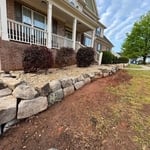
Retaining wall
Retaining wall
6 neighbors recently requested a quote

Avatar for Looper Residential Construction Management
Looper Residential Construction Management
5.0(
1
)
Landscape - Minor Grading or Resloping

Serving Lexington, GA and surrounding areas

Approved

Free estimates

"Noah provided me a quote and was able to come out the next day to take care of my removal. He was perfectly on time, professional, and friendly. I would definitely use his company again for future projects. Thanks!"
5 neighbors recently requested a quote

...
Showing 1-10 of 87
Excavating FAQs, answered by experts

You do not have to dig footers for a deck as long as it meets local code and holds up to weather in your area. If you live somewhere that experiences high winds and earthquakes, you may need to dig for your deck posts. Deck blocks, post anchors with base plates, and helical pile systems are the three no-dig deck post options you can choose from if local code permits.

There are several methods to hollow out a tree stump, and the best one depends on your tools, experience, and priorities. Common methods include using a chisel and hammer, a chainsaw, or burning.

  • Chisel and Hammer: This is often considered the easiest approach for those with limited tools or experience, though it is the most time-consuming.

  • Chainsaw: Using a chainsaw is the fastest method, but it comes with significant safety risks, especially for inexperienced users.

  • Burning: This can be an effective method, but it is not recommended unless you can first drill holes into the stump. Without holes, the stump will be difficult to light and may not burn completely through.

A power drill with at least a ⅜-inch diameter bit can make the job quicker and easier, regardless of the primary method. While you can use a chisel or chainsaw without a drill, it will require more time and effort. Always wear protective goggles and thick gloves, as splinters are an inevitable risk.

The rules and regulations regarding groundwater use vary between states. To find out if you can dig a well on your property, you’ll have to consult these regulations, address any compliance requirements, and get the appropriate permits. It’s also important to check that your intended location has the right geology and water table to support a well.

If you have a broken sprinkler pipe underground, there will be some signs you can easily spot to locate it and take action. These include leaks, water spouts, flooding, consistently damp areas on your lawn, low water pressure, and grass around the sprinkler head that’s taller and darker than anywhere else in the yard. 

If there are no obvious signs of a broken pipe, you can use tools such as water leak mics, leak noise loggers, audio devices that record leaks, and acoustic testing links. 

Broken pipes can lead to uneven watering, plant damage, and higher utility bills. The longer you wait to fix them the more the repair cost may be.

There is no standard depth for burying a septic tank; they are typically buried anywhere from 4 inches to 4 feet underground. The final depth depends on several factors, including the depth of your main sewer line, the height of the bedrock, soil type, local regulations, and the property's landscape. If you plan to grow grass or plants over the tank, a depth of at least 4 to 6 inches is recommended. Deeper tanks can be more difficult to locate, but a septic professional can help find it for you.

The Lexington, GA homeowners’ guide to excavation services

From average costs to expert advice, get all the answers you need to get your job done.