




Top-rated excavation pros.

Get matched with top excavation pros in Rutledge, GA

Enter your zip and get matched with up to 5 pros

Need a pro for your excavation project in Rutledge, GA?

Select your specific project to find the pro for you.

TRUSTED BY RUTLEDGE, GA HOMEOWNERS

  • Average homeowner rating star icon4.4
    Average homeowner rating
  • Verified reviews icon42
    Verified excavation services reviews

Find Excavation pros in Rutledge

Avatar for PJC Construction
PJC Construction
4.8(
45
)
Landscape - Minor Grading or ReslopingBuilding Site - Preparation and ClearingExcavation - Major Grading or Resloping

Serving Rutledge, GA and surrounding areas

Approved

In business since 1999

Free estimates

Emergency services offered

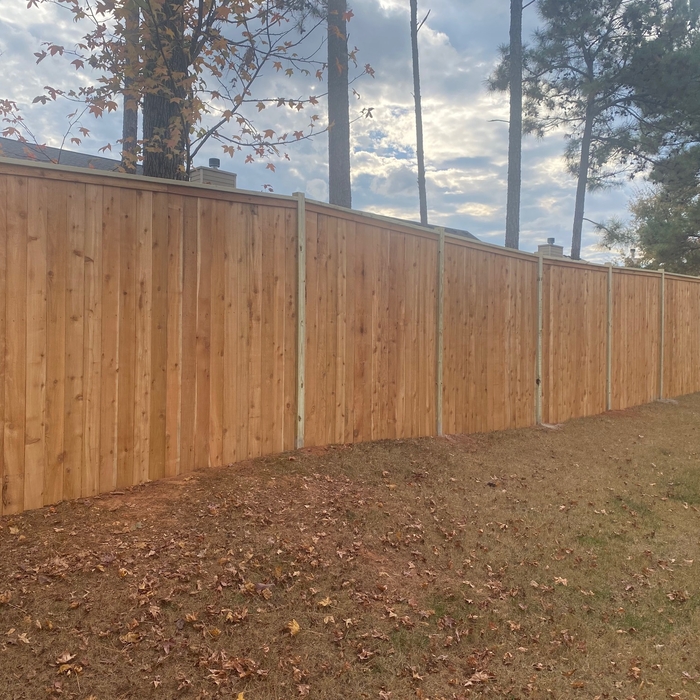
"I simply LOVE my wood privacy fence, the install was quick and very efficient. Phillip and his crew are both very knowledgeable & professional, they answered all my questions and addressed my all concerns without hesitation. Multiple neighbors have stated that I have the best looking fence in the neighborhood and I 100% concur. I have already hired them for future projects. I would definitely recommend PJC Construction for any of your projects large or small."
Additional Photos
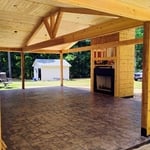
Patio remodel with new wood ceiling
Additional Photos
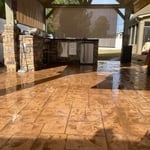
Decorative stamped concrete in new patio
Additional Photos

+7

Response time3 days
4 neighbors recently requested a quote
Recommended by93%of homeowners

Avatar for Ingram Clearing and Landscape LLC
Ingram Clearing and Landscape LLC
5.0(
9
)
Building Site - Preparation and ClearingExcavation - Major Grading or Resloping

Serving Rutledge, GA and surrounding areas

Approved

In business since 2018

Free estimates

Offers commercial services

"Untavious did a fantastic job with our mobile home demolition, gave a reasonable quote and got the work done quicker than expected. He even took care of some extra jobs clearing some roots and small trees for us while on site, and quoted us for a gravel driveway. I highly recommend Ingram Clearing and Landscaping and will certainly be working with them for future projects."
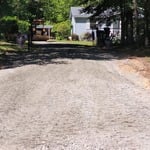
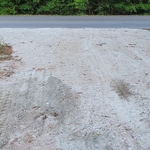
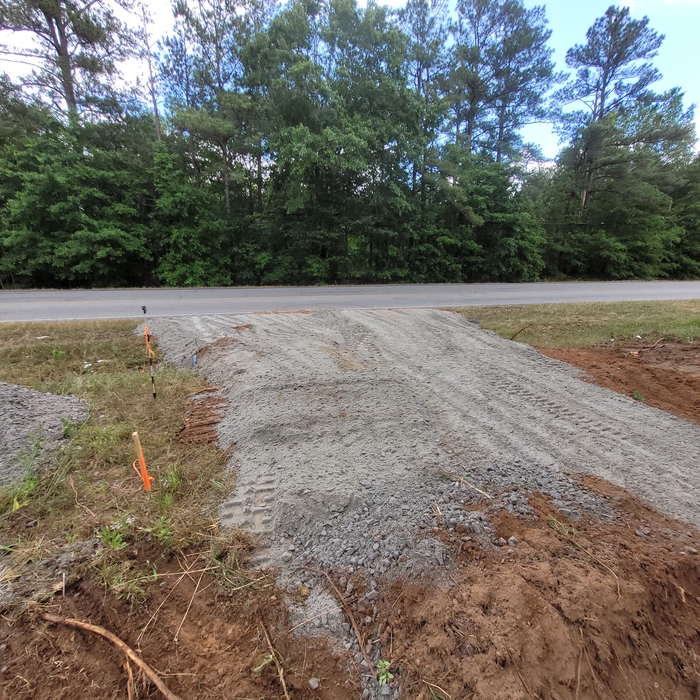
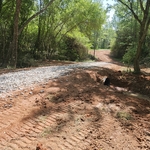
Installed crush n run for washout in drive way
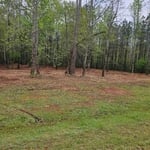
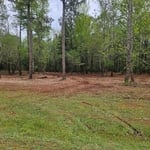
Bush and under brush removal  clearing land
Drive way install
Grading clearing and tree

+2

Response time6 hrs
Response rate97%
5 neighbors recently requested a quote
...
Showing 1-10 of 130
Excavating questions, answered by experts

The best method for digging a trench depends on the scope of the project. For a short, shallow trench (less than 2 feet deep) in light, soft soil, digging by hand may be sufficient. However, digging by hand is labor-intensive, so consider the effort required. A machine trencher is the better option for longer trenches (over 100 feet), deeper ones, or when dealing with difficult soil conditions, such as rocky or hard ground, or obstructions like tree roots. A machine can save significant time and energy in these situations.

Preparation involves site assessment, clearing debris, grading surfaces, and compacting soil to support stable construction.

A trench that is less than 5 feet deep often doesn't require a protective system. Most residential trenches will not go this deep (the typical residential drainage trench is just 18 inches deep). In the event that an excavator needs to dig more than 5 feet beneath the surface, a protective system is required unless the excavation is in entirely stable rock.

Hard soil could be a sign of overly dry dirt, either from poor drainage or drought. It's important to test the nutrient levels, density, and drainage capacity of your soil to see if it's absorbing water properly. Begin by adding a light layer of water and observing how long the soil retains moisture. If you experience a good deal of runoff, you may need to aerate your lawn, apply a wetting agent, or hire a professional for a closer look.

There is no standard depth for burying a septic tank; they are typically buried anywhere from 4 inches to 4 feet underground. The final depth depends on several factors, including the depth of your main sewer line, the height of the bedrock, soil type, local regulations, and the property's landscape. If you plan to grow grass or plants over the tank, a depth of at least 4 to 6 inches is recommended. Deeper tanks can be more difficult to locate, but a septic professional can help find it for you.

The Rutledge, GA homeowners’ guide to excavation services

From average costs to expert advice, get all the answers you need to get your job done.