



Top-rated excavation pros.

Get matched with top excavation pros in Crawford, GA

Enter your zip and get matched with up to 5 pros

Need a pro for your excavation project in Crawford, GA?

Select your specific project to find the pro for you.

TRUSTED BY CRAWFORD, GA HOMEOWNERS

  • Average homeowner rating star icon5
    Average homeowner rating
  • Verified reviews icon21
    Verified excavation services reviews

Find Excavation pros in Crawford

Avatar for Great American Hauling, LLC
Great American Hauling, LLC
5.0(
7
)
Landscape - Minor Grading or ReslopingExcavation - Major Grading or Resloping

Serving Crawford, GA and surrounding areas

Approved

In business since 2021

Free estimates

Emergency services offered

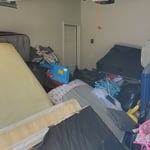
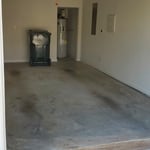
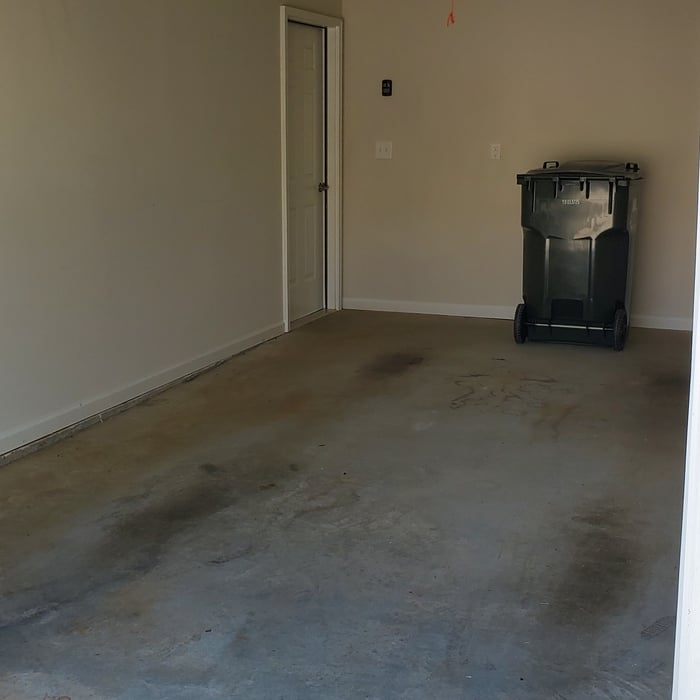
"Iâ m in property management and Iâ m always in need of things done within a quick turn around. I reached out to Great American hauling for removal of items from an eviction. They were quick to respond and did the job in a timely manner. I would definitely recommend there services and look forward to working with them again in the future."
before
before
before
after
after

+48

Response time1 day
Response rate93%
8 neighbors recently requested a quote
Avatar for Looper Residential Construction Management
Looper Residential Construction Management
5.0(
1
)
Landscape - Minor Grading or Resloping

Serving Crawford, GA and surrounding areas

Approved

Free estimates

"Noah provided me a quote and was able to come out the next day to take care of my removal. He was perfectly on time, professional, and friendly. I would definitely use his company again for future projects. Thanks!"
11 neighbors recently requested a quote
Hunter
New to Angi
Building Site - Preparation and ClearingLandscape - Minor Grading or Resloping

Serving Crawford, GA and surrounding areas

Approved

Free estimates

Emergency services offered

Small jobs welcome

Myself stands out for my ability to face challenges head-on and finds solutions in situations where others might struggle. Whether working on construction tasks or dealing with unexpected obstacles in the field, I stay calm, focused, and determined to get the job done safely and effectively. My problem-solving mindset and willingness to step up during tricky situations makes me an asset on any crew. I take my job very very seriously and I am determined to make sure each and every customer is 100% satisfied and that the work I’ve provided has given them the desire they were wanting. I am a follower of Christ show up on time and do as the customer pleases to the best of my ability. My goal in the work force is to make sure I make an impact in this world and to make sure everyone is happy. Thank you

...
Showing 1-10 of 93
Excavating questions, answered by experts

Drilled wells have a pipe sticking up that’s covered in a plastic or metal casing. On the other hand, a dug well will look like a big hole in the ground and is more similar to what you’d see in a fantasy or Western movie. If you want to be sure, contact the city for documentation on your property’s construction and excavation history. 

In the United States, a depth of 36 inches (three feet) for underground water lines is the accepted industry standard. This depth varies from location to location based on local conditions. In areas with colder winters, they may be buried deeper to prevent frozen well water pipes : This is usually at least six inches below the frost level. The International Plumbing Code calls for a minimum of 12 inches below grade.

Trenching and boring are two distinct methods for installing underground utilities. Trenching involves digging a channel using equipment like an excavator, trencher, backhoe, or shovel. While it is a simpler process, it causes significant disruption to the surface, landscaping, and surrounding ecosystems.

Boring, also known as directional boring, is a less invasive alternative that uses a drill to create a tunnel for utility lines without disturbing the surface. This method is more precise and is ideal for installations that need to go underneath buildings, roads, or bodies of water. Although boring is less disruptive, it is generally more expensive than trenching.

Most residential basements are 8 to 10 feet deep. You can dig deeper depending on building codes, but it does become more difficult. You’ll likely need to install stronger foundation walls and additional supports to handle the increased load. Depending on the water table, you may also need a water management system. Clay soil can support a deeper foundation than sandy soil. A structural engineer will be able to tell you the maximum, feasible depth.

The best way to protect tree roots is to avoid the roots entirely by excavating outside the root radius of the tree. For nearby projects, it’s a good idea to construct a temporary retaining wall. But that’s not always possible, depending on the project and the root system. In these cases, consider using alternative equipment like an auger to tunnel under the ground.

Remember, tree roots can damage nearby cement foundations as they grow. If a tree is close enough to interfere with large excavations, it may be better to remove the tree than risk future problems.

The Crawford, GA homeowners’ guide to excavation services

From average costs to expert advice, get all the answers you need to get your job done.