




Top-rated excavation pros.

Get matched with top excavation pros in Pelham, GA

Enter your zip and get matched with up to 5 pros

Need a pro for your excavation project in Pelham, GA?

Select your specific project to find the pro for you.

Find Excavation pros in Pelham

Avatar for Greenway Construction & Tree Services
Greenway Construction & Tree Services
4.3(
7
)
Building Site - Preparation and ClearingBuilding Site - Preparation and Clearing - For BusinessExcavation - Major Grading or Resloping+2 more

Serving Pelham, GA and surrounding areas

In business since 1980

Free estimates

Emergency services offered

"Everything was great! We lost our shop and part of our home several yrs ago to a house fire. We called Mr Greenway and he sprung into action immediately to see that everything was handled correctly. From the beginning till the keys were handed to us, he was more than willing to go out of his way for us. He explained each step of the construction process and made sure that we were happy with the way things were done. He was on time, efficient, and professional while very courteous. Have also used them @ our property in Fla. We would and have recommended him to other home owners. Even through the stress of the fire they put my mind at ease while giving me the kitchen I'd always dreamed of. Great job Brandon & Mrs. Greenway!"
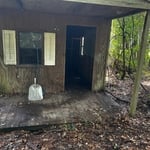
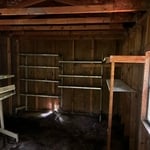
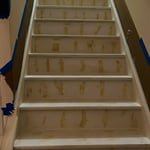
Additional Photos
Additional Photos
Additional Photos
Additional Photos
Additional Photos

+1

Recommended by100%of homeowners
...
Showing 1-10 of 77
Excavating questions, answered by experts

Call 811 to locate and mark the gas lines at least three days before digging. In many areas, you can dig within 18 inches of the lines, though in some locations, the distance may be further. Check local regulations, as you may need a utility company representative onsite when digging. Document your calls to 811 and precautions taken to avoid gas lines. A homeowner can be held liable for hitting a gas line in some cases, but contacting the proper authorities and following all guidelines can offer protection.

Digging a bush up by the roots is the most natural DIY method for removing a bush stump. Start by identifying the shrub type and revealing its roots. Cut the shrub to its base and loosen the soil, ensuring no utility lines are nearby. Optionally, treat the base with herbicide, then dig around the roots and cut a circle around the shrub using various tools. Dig a trench, cut the base of the root ball, and finally fill the hole to prevent regrowth. This thorough process ensures complete removal without damaging surrounding areas.

Some two-in-one tools and machines do both jobs, and those could be the right solution for smaller residential projects. However, the phrase “use the right tool for the job” definitely applies to digging. For the best results, get two separate tools for your trenching and landscape edging projects or call a pro to take care of everything for you.

There is no standard depth for burying a septic tank; they are typically buried anywhere from 4 inches to 4 feet underground. The final depth depends on several factors, including the depth of your main sewer line, the height of the bedrock, soil type, local regulations, and the property's landscape. If you plan to grow grass or plants over the tank, a depth of at least 4 to 6 inches is recommended. Deeper tanks can be more difficult to locate, but a septic professional can help find it for you.

Digging a well can cost between $20 and $25,000, depending on your needs. If you’re looking to dig a well yourself, all you need is a shovel. If you’re looking to have a well drilled by a professional, you can expect to pay around $15 to $30 per foot. The total cost of drilling a well will average to $5,500.

The Pelham, GA homeowners’ guide to excavation services

From average costs to expert advice, get all the answers you need to get your job done.