
Top-rated excavation pros.

Best excavation pros near Camilla, GA

Enter your zip and get matched with up to 5 pros

Need a pro for your excavation project in Camilla, GA?

Select your specific project to find the pro for you.

Top-Rated Excavation pros in Camilla - Updated Nov 2026

Avatar for Chase Clanton Company, LLC
Chase Clanton Company, LLC
4.7(
12
)
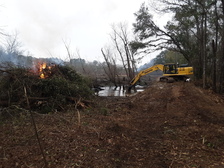
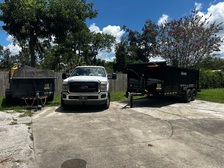
Building Site - Preparation and ClearingLandscape - Minor Grading or Resloping

Serving Camilla, GA and surrounding areas

Approved

In business since 2023

Credit card accepted

Offers commercial services

"Chase and his crew were experienced and through. All work was completed as expected and quoted. We intend to hire them in the near future to do fencing repair. I have no doubt that the fencing will be installed perfectly and with the same care and expertise as the landscape cleanup."
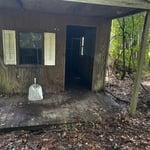
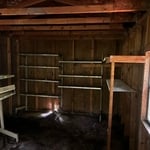
Photos
4 neighbors recently requested a quote

Recommended by50%of homeowners
Avatar for JDEV CONSTRUCTION LLC
JDEV CONSTRUCTION LLC
5.0(
4
)
Building Site - Preparation and Clearing - For Business

Serving Camilla, GA and surrounding areas

Approved

In business since 2025

Free estimates

Credit card accepted

"Antonio was very good. He knows his job and always executes to perfection every single time! He was very professional and took good care of the property and the project. Kudos to him!"
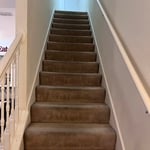
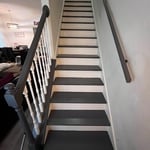
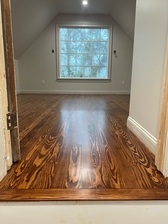
Stair Remodel
Stair Remodel
Stair Remodel
3 neighbors recently requested a quote
Recommended by25%of homeowners
...
Showing 1-10 of 89
Excavating FAQs, answered by experts

It’s possible to transplant trees as tall as 50 feet when an experienced tree planting service uses the right equipment. However, a tree with a trunk larger than two or three inches in diameter needs to be handled by a professional in order to yield successful transplanting results. Consulting a tree planting professional is the best way to tell if your large tree can be safely transplanted.

Yes. A metal detector is one of the quickest and easiest ways to find your septic tank. However, metal detectors can be too expensive (costing upward of $300 in some cases), and not everyone has a metal detector just lying around. If that’s the case for you, you can also take a long metal rod and poke it into the ground at regular intervals until you hit something—likely your septic tank lid.

Excavation and grading are both generally necessary for designing your foundation, and leveling the ground where your foundation will go. These steps can also prepare the area by removing vegetation and anything else that could interfere with your home’s foundation.

In the United States, a depth of 36 inches (three feet) for underground water lines is the accepted industry standard. This depth varies from location to location based on local conditions. In areas with colder winters, they may be buried deeper to prevent frozen well water pipes : This is usually at least six inches below the frost level. The International Plumbing Code calls for a minimum of 12 inches below grade.

You can bury underground electrical wire six inches deep—but only if you use a rigid metal electrical conduit. For rigid, non-metallic conduits, bury the wire at least 12 inches deep. If using an underground feeder cable rated for direct burial, you'll need to place it at least 18 inches deep, as it has no conduit for extra protection.

The Camilla, GA homeowners’ guide to excavation services

From average costs to expert advice, get all the answers you need to get your job done.