
Top-rated arborists.

Best arborists near Rockmart, GA

Enter your zip and get matched with up to 5 pros

Need a pro for your arboricultural service project in Rockmart, GA?

Select your specific project to find the pro for you.

TRUSTED BY ROCKMART, GA HOMEOWNERS

  • Average homeowner rating star icon4.5
    Average homeowner rating
  • Verified reviews icon977
    Verified arboricultural services reviews

Top-Rated Arborists in Rockmart - Updated Nov 2026

Avatar for Groover Property Solutions
Groover Property Solutions
5.0(
15
)
Tree TrimmingTree Removal

Serving Rockmart, GA and surrounding areas

Approved

In business since 2024

Free estimates

Emergency services offered

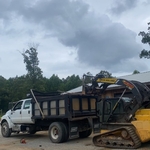
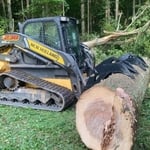
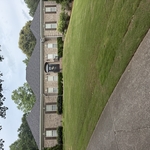
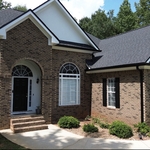
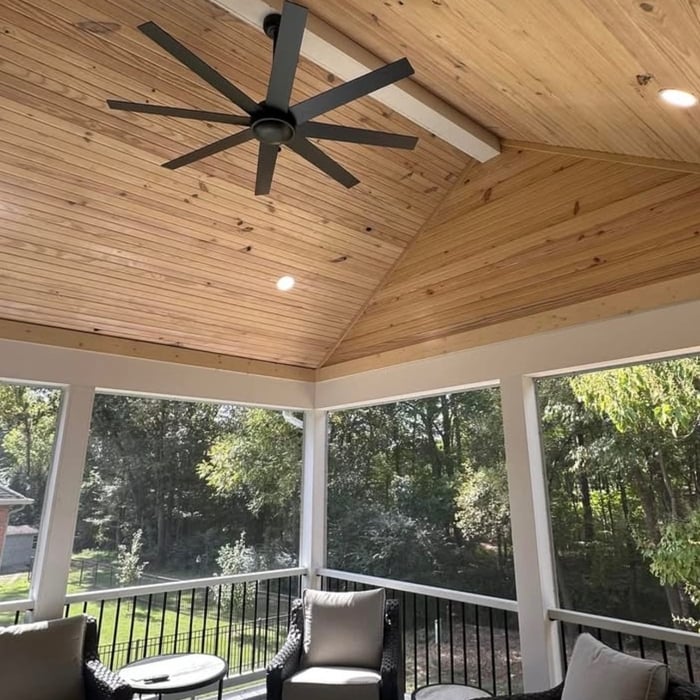
"Groover Properties did an absolutely excellent job from start to finish on our composite deck. I really can't say enough about the professionalism, amazing work ethic of everyone involved with the project, the attention to detail and about Phil. Phil was in constant contact with us came to the site multiple times and oversaw the whole project! Our deck is beautiful and so reasonably priced. I highly recommend Groover Properties for your decking and other home improvements; you will not be disappointed. I have included pictures of our old deck, the process and the finished deck. What a transformation!!!"
Exterior Paint
Roof and Gutters

Roof Gutters Deck
Roof, Gutters, Paint
Deck/Patio Re-Build

+16

27 neighbors recently requested a quote

...
Showing 1-10 of 207
Arborists FAQs, answered by experts

Unfortunately, palm tree stumps are one of the most difficult types to remove due to how their roots grow. Unlike other trees, palm tree roots grow horizontally and vertically. Palm tree roots grow as deep as three feet into the ground, although soil and growing conditions could mean they go as far as 50 inches into the earth. 

If you want to be able to repurpose the grass in the area where you removed a stump later, you’ll have to dig quite deep—and perhaps wide—to trim away all the roots.

In nature, there are many things that can cause a tree to die, including diseases, insects, and natural disasters such as fires or droughts. Non-natural methods of killing a tree include herbicides or manual intervention, such as cutting it down. Consult a tree removal professional about your options for naturally killing a tree.

The best time to transplant a tree is when it is dormant. For many trees, this means either in the fall after the leaves have dropped (around October or November) or in early spring before new growth begins (around March). The ideal timing can depend on the type of tree. Deciduous trees do well when moved in early spring or fall, while evergreens are best transplanted in early spring or late summer. For example, pine trees are best moved in early fall, but maples prefer late fall. Avoid transplanting in winter, as the frozen or hard, cold soil poses a significant risk to the roots and prevents the tree from acclimating properly.

Yes, cutting a tree's roots can cause it to fall, particularly if major support roots are severed. In extreme cases, trimming roots can affect the tree's structure and stability. Many crucial roots are located just below the soil's surface. If you make severe cuts to roots more than 2 inches in diameter, you risk impacting the tree's water flow and its ability to withstand severe winds or storms. Even cutting roots less than half an inch in diameter under or outside the tree's canopy can cut off its water supply, causing it to decline, die, and eventually topple.

Generally, no, tree topping isn’t a good technique, and you should avoid using it in most cases. Tree topping may be the only good option to save a tree following severe damage after a storm, but in most other cases, it’s not the right choice. Tree topping can leave trees vulnerable to disease and further damage, and most pros will suggest against it.

The Rockmart, GA homeowners’ guide to arboricultural services

From average costs to expert advice, get all the answers you need to get your job done.