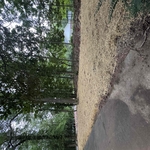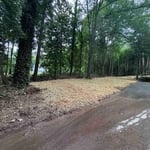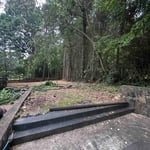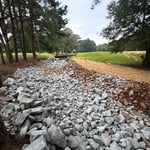


Top-rated excavation pros.

Best excavation pros near Rockmart, GA

Enter your zip and get matched with up to 5 pros

Need a pro for your excavation project in Rockmart, GA?

Select your specific project to find the pro for you.

TRUSTED BY ROCKMART, GA HOMEOWNERS

  • Average homeowner rating star icon4.8
    Average homeowner rating
  • Verified reviews icon47
    Verified excavation services reviews

Top-Rated Excavation pros in Rockmart - Updated Nov 2026

Avatar for Simpson Hauling
Simpson Hauling
4.9(
17
)
Building Site - Preparation and Clearing - For BusinessExcavation - Major Grading or ReslopingExcavation - Major Grading or Resloping - For Business+1 more

Serving Rockmart, GA and surrounding areas

Approved

In business since 1993

Free estimates

Credit card accepted

"Brad and Bruce did a nice job on my additional gravel parking area. It did take extra day due to family emergency but they were very careful not to damage my existing concrete driveway. They got to my job inside of a week which was great. They did everything that I expected and my family does this for a living in Florida so I knew what it should look like. Thanks guys for moving that fallen tree."
Start of Pool Demolition
progress on Pool Demolition
progress in action on pool demolition
almost finished on pool demolition
Finished product on pool demolition

+4

Response time2 days
3 neighbors recently requested a quote
Recommended by100%of homeowners
...
Showing 1-10 of 181
Excavating FAQs, answered by experts

A trench that is less than 5 feet deep often doesn't require a protective system. Most residential trenches will not go this deep (the typical residential drainage trench is just 18 inches deep). In the event that an excavator needs to dig more than 5 feet beneath the surface, a protective system is required unless the excavation is in entirely stable rock.

There is no standard depth for burying a septic tank; they are typically buried anywhere from 4 inches to 4 feet underground. The final depth depends on several factors, including the depth of your main sewer line, the height of the bedrock, soil type, local regulations, and the property's landscape. If you plan to grow grass or plants over the tank, a depth of at least 4 to 6 inches is recommended. Deeper tanks can be more difficult to locate, but a septic professional can help find it for you.

The digging depth will depend on the size of the trencher you use. Even smaller units can dig up to 4 feet deep, which is plenty for a DIY job. However, much larger trenchers can reach a depth of 18 feet and are better used by a team of pro contractors, not a single DIYer. As with all home improvement projects, use the right tool for the job and proceed with caution.

Completion time ranges from days to weeks, contingent on project size, environmental conditions, and regulatory approvals.

Excavation is priced in cubic yards, so you’ll need to find the volume of the area in order to calculate costs. Multiply the length, width, and proposed depth of your excavation site, then convert it into yards to get the volume. Multiply this figure by the price per cubic yard.

Most homeowners can measure by hand to get a rough estimate, even if it’s tedious. You may want to pull out a tape measure or use a string to help mark the area.

The Rockmart, GA homeowners’ guide to excavation services

From average costs to expert advice, get all the answers you need to get your job done.