


Top-rated radon detection and reduction specialists.

Get matched with top radon detection and reduction specialists in Georgetown, GA

Enter your zip and get matched with up to 5 pros

Need a pro for your radon detection and reduction project in Georgetown, GA?

Select your specific project to find the pro for you.

Find Radon detection and reduction specialists in Georgetown

Avatar for Elite inspections of GA
Elite inspections of GA
5.0(
11
)
Radon Gas - AbatementRadon Gas - Testing

Serving Georgetown, GA and surrounding areas

In business since 2014

Free estimates

Emergency services offered

"Excellent. James and his crew are experienced professionals that know what they are doing and do it well. The re-test after the Mitigation work, came back with results exceeding what I expected. Great work and Great Service!"
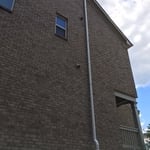
Additional Photos
Additional Photos
Additional Photos
Additional Photos
Additional Photos

+2

Recommended by100%of homeowners
Avatar for SWAT Environmental, Inc.
SWAT Environmental, Inc.
4.1(
108
)
Radon Gas - Abatement

Serving Georgetown, GA and surrounding areas

In business since 2002

Free estimates

Credit card accepted

"Radon level in basement was too high so we hired SWAT to put in an exhaust fan and pipe to release excess radon gas. This was done to rectify a problem with home inspection; then house sold and we moved."
Recommended by89%of homeowners
Radon Detection and Reduction questions, answered by experts

No, air purifiers are not an effective way to reduce or remove radon. Radon is a radioactive, inert gas that cannot be filtered by standard air purifiers, which are designed to capture particulates like dust and mold. While an air purifier can improve indoor air quality by removing other pollutants, it should not be relied upon for radon. The only effective solution for high radon levels is a dedicated radon mitigation system.

Use a radon test kit or hire professionals to conduct a detailed assessment of radon levels in your home.

Long-term exposure increases lung cancer risks. Prolonged homestay individuals and smokers encounter heightened vulnerability and exposure concerns.

Options include sub-slab depressurization, crawlspace ventilation, and sealing cracks. Choose based on home construction and radon levels.

You'll need to test your home for radon after installing the mitigation system, then again every two years. If radon remains elevated, contact a licensed radon professional, either the contractor who installed the system or a different one, and have them evaluate the system. They may need to make some changes to improve its effectiveness and performance.

The Georgetown, GA homeowners’ guide to radon detection and reduction services

From average costs to expert advice, get all the answers you need to get your job done.