
Top-rated tree service pros.

Get matched with top tree service pros in Forest Park, GA

Enter your zip and get matched with up to 5 pros

Need a pro for your tree service project in Forest Park, GA?

Select your specific project to find the pro for you.

TRUSTED BY FOREST PARK, GA HOMEOWNERS

  • Average homeowner rating star icon3.9
    Average homeowner rating
  • Verified reviews icon51
    Verified tree services reviews

Find Tree service pros in Forest Park

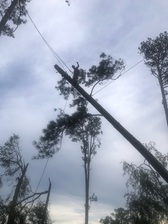
Avatar for Timber Oak Tree Services
Timber Oak Tree Services
4.3(
13
)
Tree Removal

Serving Forest Park, GA and surrounding areas

Approved

In business since 2007

Free estimates

Emergency services offered

"We needed someone to take away branches, etc that another tree service had left behind. Fernado was easy to work with and cleaned up the mess quickly . We will call him first next time."
Response time1 day
22 neighbors recently requested a quote
Recommended by66%of homeowners
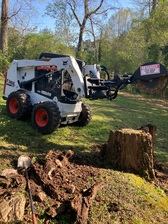
C & C Lawncare
4.3(
55
)
Tree RemovalTree Removal - For BusinessTree Trimming+1 more

Serving Forest Park, GA and surrounding areas

Approved

In business since 2004

Free estimates

Credit card accepted

"Great experience. Chris is super professional and very responsive. He is very knowledgeable about his craft and his prices super reasonable. I am so glad I found this company and look forward to using their services for future lawn care projects. I used them to trim my shrubs and a trees and was so satisfied with the quality of work I received that I will be using them for larger lawn projects as well."
Response time1 day
Recommended by100%of homeowners
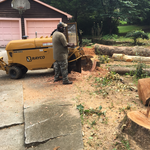
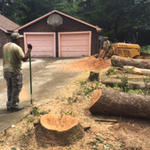
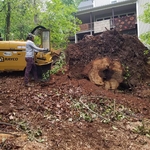
Pete Nugent Stump Grinding
4.4(
7
)
Tree Stump - RemoveTree Stump - Remove - For Business

Serving Forest Park, GA and surrounding areas

Approved

In business since 2018

Free estimates

Credit card accepted

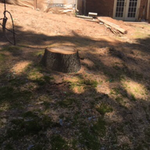
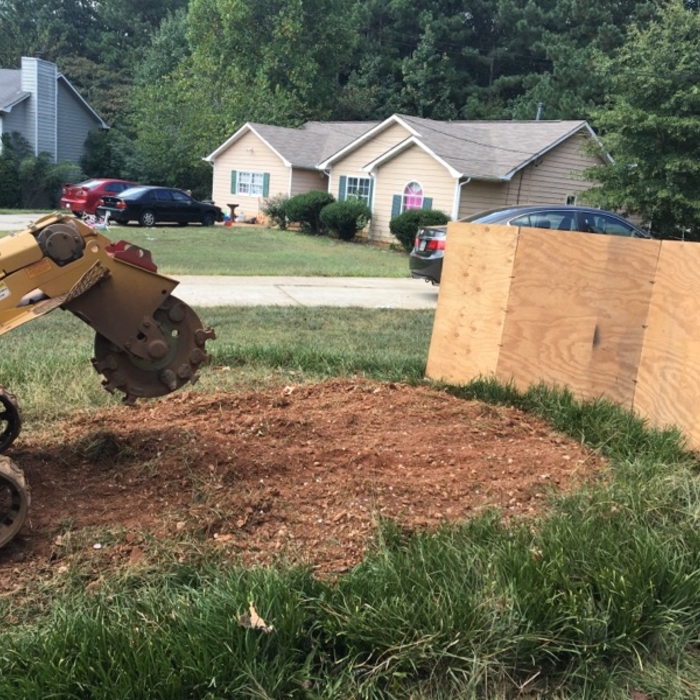
"Pete was extremely quick with reaching out about a quote and the completion of the stump removal. He ensured my car was protected from the stump grinding and provided photo proof of project completion. Would recommend to anyone who needs a quick, quality stump removal at a fair price."
Work
Work
Work
Work
Work

+5

Response time2 hrs
Recommended by100%of homeowners
...
Showing 1-10 of 472
Tree Service questions, answered by experts

It depends on the problem, the affected part of the tree, the risk of the pathogen spreading, and the overall health of your tree. Many diseases, fungal infections, and insect infestations can be successfully treated, especially if the issue is only in a few branches. However, if a disease is too widespread, too severe, too easily spread, or in the roots, the tree will likely need to be removed.

Yes, it’s okay to trim low branches on a tree, also known as limbing up or raising the crown. Essentially, you’ll trim the lower third of the tree (trunk) and leave the upper two-thirds of the tree (crown). Arborists recommend trimming 20% of a tree’s leaves per season for two to three seasons. Trimming low branches allows light to flow through the tree, increasing circulation and making the tree stronger and healthier.

A tree can grow back from its stump, but full regrowth is unlikely (especially for more stubborn conifer trees). Instead, trees are more likely to send up a number of shoots from the dead stump, which will try to develop into primary stems over time. In other words, it will start to look increasingly bushy. The goal of killing and drying out a tree stump is to prevent that from happening, as well as make the stump easier to completely remove.

The best way is to start controlling tree height long before it grows too large, via careful pruning through the years. But that’s not always possible. If a tree has become too high or too large, use selective pruning to remove the most troublesome branches, one by one, without topping the tree. Gently shaping a tree like this can, over time, correct problems. You can also find growth inhibitors to spray on a tree to stop it from growing too rapidly, but use these sparingly if at all.

Palm trees are unique in that their roots don't grow straight down; they grow horizontally. Typically, palm tree roots go down between 12 and 36 inches deep. The roots grow far and wide from the base of the palm tree to absorb as much water and soil nutrients as possible. In addition, the horizontal roots are also very strong—keeping palm trees stable and helping them sway during storms.

The Forest Park, GA homeowners’ guide to tree services

From average costs to expert advice, get all the answers you need to get your job done.