




Top-rated septic tank pros.

Best septic tank pros near Cornelia, GA

Enter your zip and get matched with up to 5 pros

Need a pro for your septic tank service project in Cornelia, GA?

Select your specific project to find the pro for you.

TRUSTED BY CORNELIA, GA HOMEOWNERS

  • Average homeowner rating star icon4.7
    Average homeowner rating
  • Verified reviews icon47
    Verified septic tank services reviews

Top-Rated Septic tank pros in Cornelia - Updated Nov 2026

Avatar for Inspector Septic
Inspector Septic
5.0(
6
)
Septic System - Install or ReplaceSeptic System - Install or Replace - For BusinessSeptic System - Repair+3 more

Serving Cornelia, GA and surrounding areas

Free estimates

Emergency services offered

Warranties offered

"The entire process was excellent. From scheduling to the actual work, Inspector Septic kept me informed. Actual work was performed as scheduled and was very professional. Timothy is excellent and I would highly recommend."
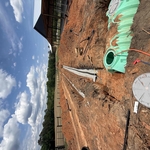
Septic pump out
Drainfield install
New main line install
Septic pump out
Septic Tank Project

+28

Response time8 hrs
Response rate100%
Recommended by83%of homeowners
Showing 1-10 of 24
Septic Tanks FAQs, answered by experts

Common signs that your well pump is failing include fluctuating or consistently poor water pressure, sputtering water from faucets, or a complete loss of water. Other indicators are unusual noises coming from the pump, the pump running continuously, dirty or cloudy water, or a sudden, unexplained spike in your utility bills. While some issues, especially after a power outage, might be resolved by simply restarting the power or priming the pump, persistent problems suggest a more serious issue. If you notice any of these red flags, it is recommended to call a professional well pump service to inspect the system and determine whether it needs to be repaired or replaced.
Yes, it is possible to drill a well by hand, but it calls for a good deal of physical labor. Drilling a well by hand is best suited for softer soil, and it may not be possible through rockier terrain. For wider and deeper holes, companies with professional equipment make the job much easier.

Most home wells start at 100 feet, and many go as deep as 200 or 300 feet. 

It takes quite a lot of water to meet the demands of showers, toilets, faucets, and appliances like dishwashers and laundry machines, and shallow wells struggle to provide this amount quickly. If you anticipate having high water usage in the future, it’s often better to drill slightly deeper and give yourself a bit more water storage than you need.

There are many reasons you may want to extend the depth of an existing well or drill a new, deeper well on your property. A deeper well can tap cleaner water sources—shallow water may contain more contaminants. With a deeper well, you’ll also have an easier time reaching the water table depth (the level at which underground water is found) and can get past tricky soil conditions. 

Plus, if your local building code requires a minimum well depth for safety and environmental standards, you’ll meet the code by digging a deeper well in the first place.

A septic system can fail for various reasons, and most commonly, excessive water use or sudden surges in wastewater can overwhelm the system's capacity. Neglecting regular maintenance, like tank pumping and inspections, can also lead to clogs, leaks, and eventual breakdowns. Other issues that lead to failure include age-related wear and tear, root infiltration, improper disposal of non-biodegradable materials or chemicals into the system, unsuitable soil conditions, physical damage, and even environmental factors like flooding or soil erosion.

The Cornelia, GA homeowners’ guide to septic tank services

From average costs to expert advice, get all the answers you need to get your job done.